
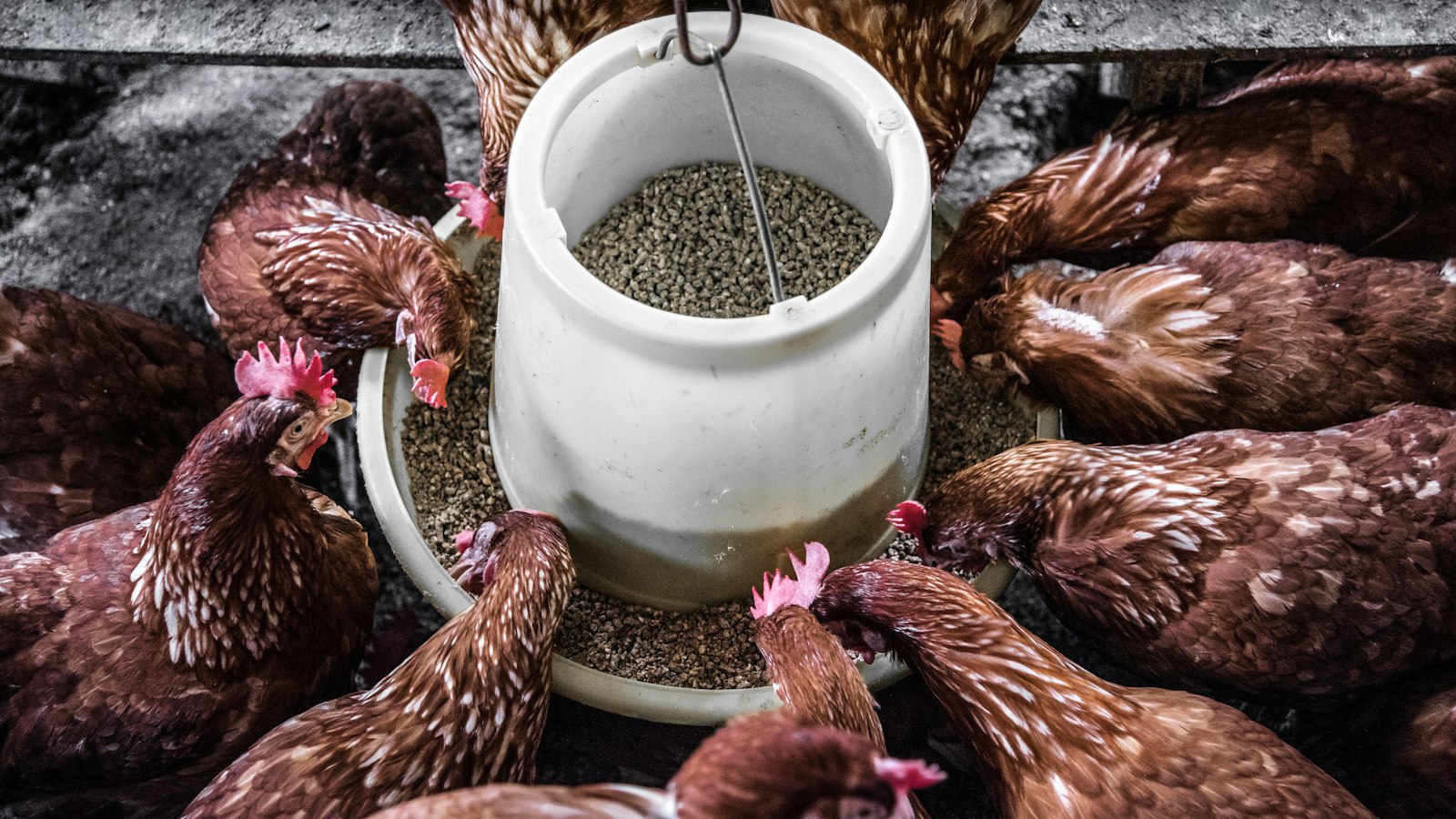
Every poultry, pig and fish farmer in Uganda faces the same challenge: feed takes the biggest share of production costs, and poor quality feed ruins profits. That creates a strong opportunity for feed producers who deliver consistent, well formulated feed at fair prices.
Market opportunity
- Thousands of small and medium poultry farms around Kampala, Wakiso, Mukono, Masaka, Mbarara and other towns
- Growing pig farming in central, eastern and western Uganda
- Expanding aquaculture for tilapia and catfish
- Dairy farmers using concentrates for better milk yields
Types of feed to produce
- Poultry: chick and duck mash, growers mash, layers mash, broiler starter and finisher
- Pigs: creep, weaner, grower, finisher, sow and boar meal
- Fish: floating or sinking pellets for different growth stages
- Dairy: dairy meal and concentrates
Main raw materials
- Energy: maize bran, whole maize, rice bran, wheat bran
- Protein: soybean meal or cake, sunflower cake, cotton seed cake, fish meal (mukene), black soldier fly larvae
- Minerals: limestone or shell grit, bone meal, salt
- Premixes: vitamins and minerals designed for each animal and stage
- Additives: amino acids like lysine and methionine, toxin binders
Buy maize when prices are lowest after harvest and store it properly to avoid aflatoxins.
Feed formulation
Each feed must meet nutrient requirements for crude protein, energy, calcium, phosphorus and amino acids. Layers need high calcium; broilers need high protein and energy; fish need high protein. Work with an animal nutritionist to create formulas, and use feed formulation software or spreadsheets to adjust for ingredient prices without lowering quality.
Equipment
- Hammer mill for grinding
- Mixer (horizontal or vertical)
- Pelletiser for pig, broiler and fish pellets; an extruder for floating fish feed
- Weighing scales and bag sealing machine
- Moisture meter for raw materials
- Pallets and a dry, ventilated store
Start with a hammer mill and mixer for mash feeds, then add pelleting as you grow.
Quality control: your brand is your quality
- Test raw materials for moisture and visible mould.
- Test for aflatoxin in maize and cakes, especially in rainy seasons.
- Send samples to laboratories for nutrient analysis periodically.
- Keep batch records: date, formula, ingredients and quantities.
- Label bags with feed type, ingredients, nutrient analysis, batch number and expiry.
- Follow UNBS standards for animal feeds and seek certification as you grow.
Capital and setup
A small mash feed operation can start with modest capital for a hammer mill, mixer, premises and initial raw materials. Pelleting and extrusion lines require significantly more. Budget for working capital because buying raw materials in bulk is where you save money.
Marketing and distribution
- Sell directly to farms and offer delivery.
- Recruit agrovet shops as stockists.
- Run farmer training days showing results with your feed.
- Offer technical advice through WhatsApp groups.
- Track customer results: egg production, weight gain and mortality.
Risks to manage
- Raw material price swings
- Aflatoxin contamination
- Credit sales to farmers
- Competition from established brands
- Power outages affecting production
Frequently asked questions
Can I make feed at home for my own farm?
Yes, many farmers mix their own feed to save money. Use reliable formulas and premixes, and weigh ingredients accurately.
Is black soldier fly larvae a good protein?
Yes, it is a promising local protein source that can replace part of fish meal or soybean meal when produced hygienically.
Get expert support
Book a short consultation with a verified animal nutrition or agribusiness consultant on The Quick Consult to develop formulas and a business plan.