
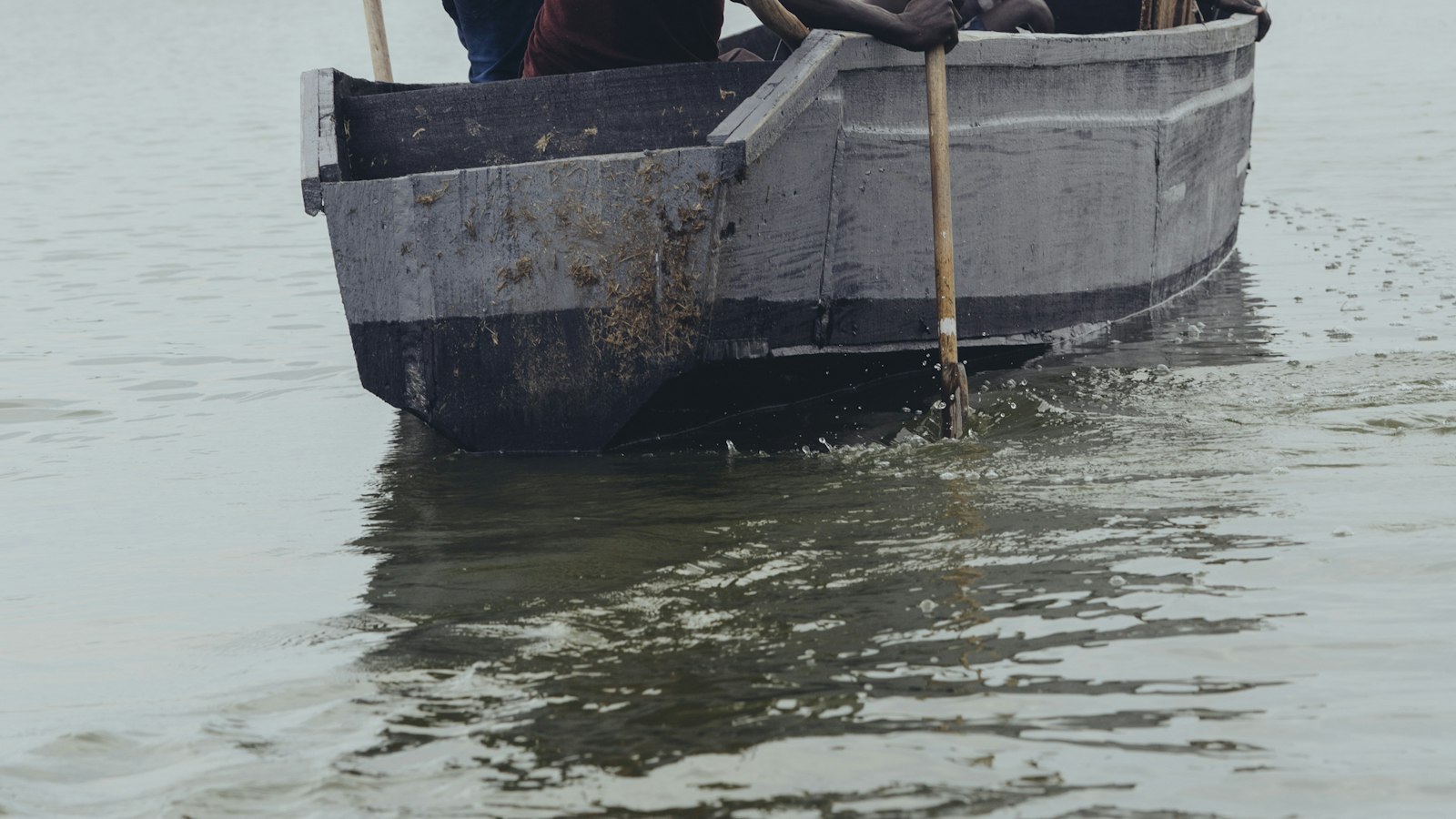
Bilharzia, also called schistosomiasis, is a parasitic disease caused by worms that live in fresh water snails. In Uganda it is common among communities around Lake Victoria, Lake Albert, Lake Kyoga, the Nile and other water bodies where people fish, bathe, wash clothes or swim. It is treatable and preventable, but untreated infection can cause serious long term damage.
How bilharzia spreads
- Infected people pass worm eggs in urine or stool into fresh water.
- The eggs hatch and infect certain fresh water snails.
- The snails release tiny larvae (cercariae) into the water.
- The larvae penetrate the skin of people who wade, swim, bathe, fish or wash in the water.
- Inside the body, they grow into adult worms that live in blood vessels and lay eggs.
Bilharzia does not spread from person to person directly. It spreads through contact with contaminated fresh water. Salty sea water and properly treated swimming pools are not a risk.
Types found in Uganda
- Intestinal schistosomiasis (Schistosoma mansoni): the most common type in Uganda, affecting the intestines and liver.
- Urinary schistosomiasis (Schistosoma haematobium): affects the bladder and urinary tract, found in some areas.
Symptoms
Early
- Itchy rash where larvae entered the skin ("swimmer's itch"), within hours or days
- A few weeks later: fever, chills, cough, muscle aches (more common in first time infections)
Long term (chronic) infection
- Abdominal pain, diarrhoea or blood in stool
- Enlarged liver and spleen, and a swollen belly in advanced cases
- Vomiting blood in severe cases due to liver damage
- Blood in urine and painful urination (urinary type)
- Anaemia and tiredness
- Poor growth and learning difficulties in children
- Female genital schistosomiasis, which can cause pain, bleeding and fertility problems
Testing
- Stool examination for eggs (intestinal type)
- Urine examination for eggs or blood (urinary type)
- Rapid urine antigen tests used in some programmes
- Ultrasound to assess liver or bladder damage in long term cases
Treatment
Bilharzia is treated with praziquantel, a safe and effective medicine usually given as a single dose based on body weight. It should be taken with food. In endemic areas, the Ministry of Health runs mass drug administration campaigns, especially for school age children and high risk communities. Re-infection is common if exposure continues, so repeated treatment may be needed.
Prevention
- Avoid contact with lake and river water in high risk areas when possible.
- Use safe water for bathing and washing, such as boreholes, taps or water heated or stored for at least two days.
- Use toilets and latrines; do not urinate or defecate in or near water.
- Wear protective boots if your work requires wading.
- Take part in mass treatment campaigns.
- Dry off quickly with a towel after accidental exposure, although this does not guarantee protection.
Advice for tourists and travellers
Swimming in lakes and rivers is a risk in many parts of Uganda. If you have swum in fresh water, consider testing a few weeks later even without symptoms, because treatment is simple.
Frequently asked questions
Can bilharzia be cured?
Yes, praziquantel kills adult worms. Early treatment prevents long term damage.
Is Lake Bunyonyi safe for swimming?
Lake Bunyonyi is often described as low risk for bilharzia, but conditions can change. Follow local health advice.
Talk to a health professional
Book a quick video consultation with a verified doctor on The Quick Consult if you are worried about symptoms or exposure. This article is general information, not a substitute for medical care.