
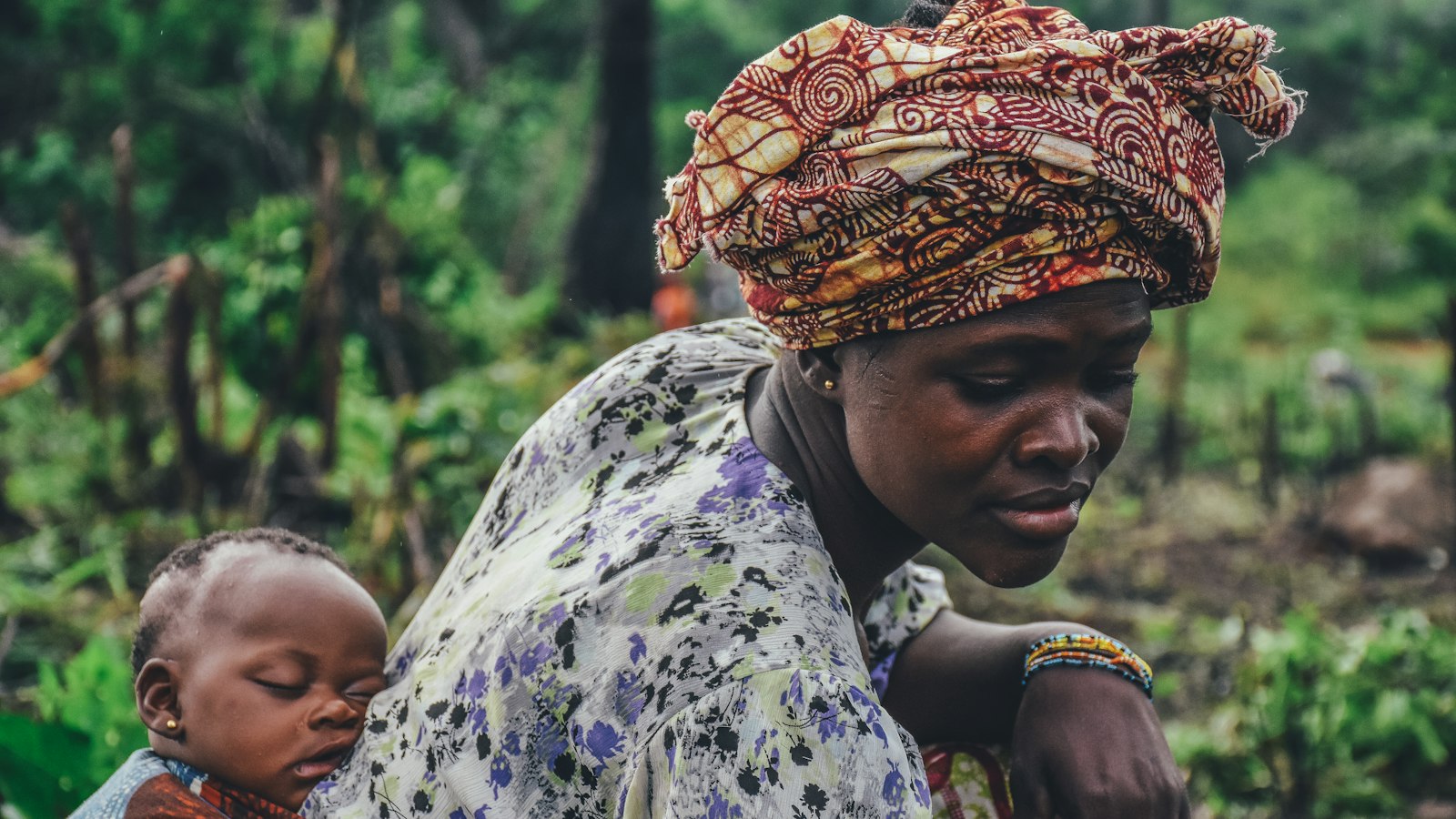
Breast milk is the best first food for babies. It contains all the nutrients a baby needs in the first six months and antibodies that protect against infections.
Benefits
- Protects babies from diarrhoea, pneumonia and other infections
- Supports brain development
- Helps mothers recover after birth and reduces some cancer risks
- Free and always available
Getting started
Start breastfeeding within the first hour after birth. The first thick yellow milk, colostrum, is rich in antibodies.
A good latch
- Baby's mouth wide open, covering much of the areola
- Chin touching the breast and lips turned outwards
- You hear swallowing, and feeding should not be painful
How often?
Feed on demand, usually 8 to 12 times in 24 hours in the early weeks. Signs baby is getting enough: around six or more wet nappies a day and steady weight gain.
Exclusive breastfeeding
Give only breast milk for the first six months, no water, porridge or other liquids unless advised by a health worker. Continue breastfeeding with complementary foods up to two years or beyond.
Working mothers
Express milk by hand or pump and store it in clean containers. Ask your employer about breastfeeding breaks.
Common problems
- Sore nipples: usually a latch problem.
- Engorgement: feed often and use warm compresses.
- Mastitis: pain, redness and fever need medical care.
This article is for general information and does not replace advice from a qualified health worker.
Get expert help in minutes
Every situation is different. If you want advice tailored to your plans, book a short call with a verified expert on The Quick Consult and get clear answers without leaving your home or office.