
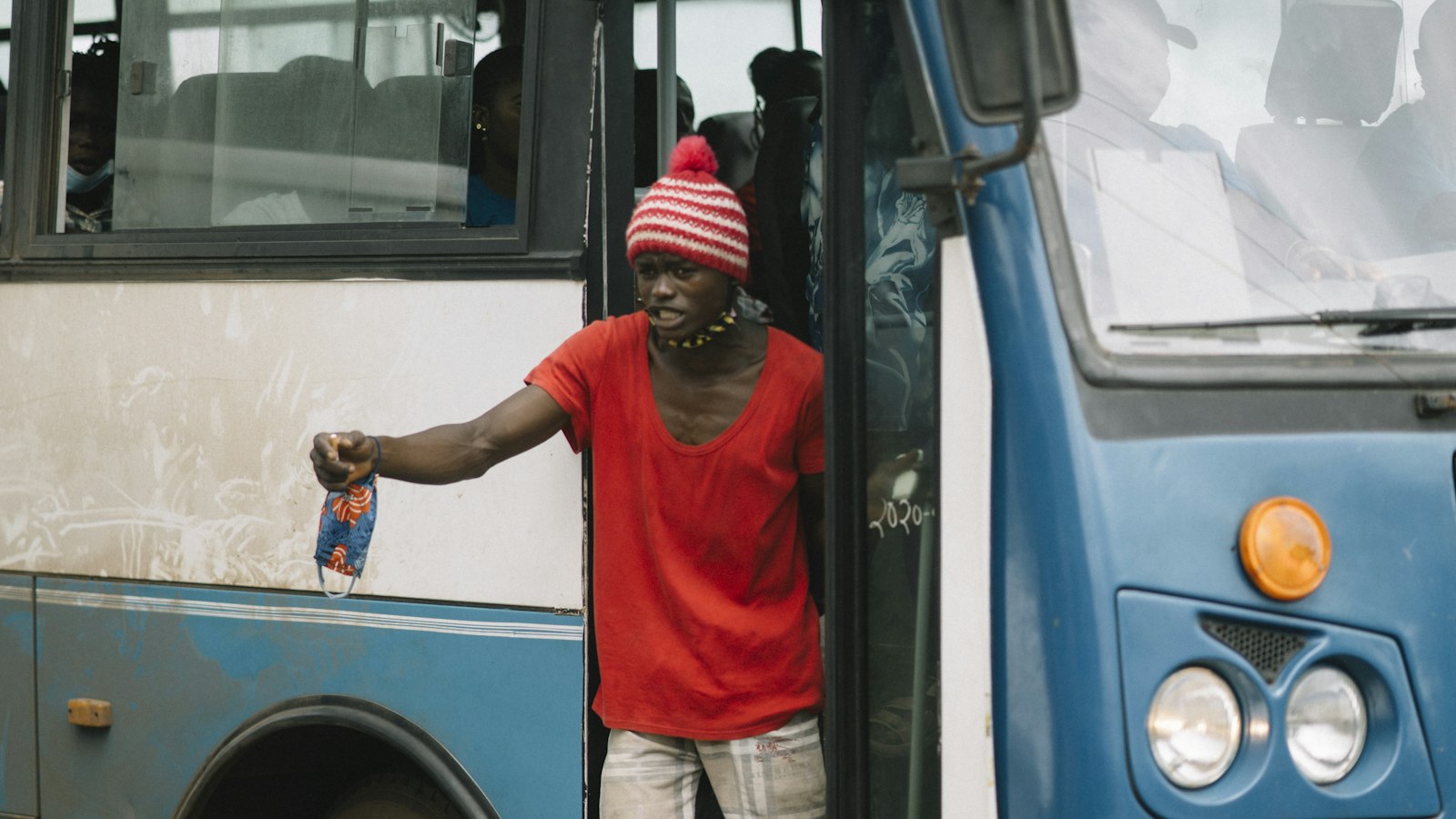
For many Ugandans, the bus is the most affordable way to travel around East Africa. Traders, students, families visiting relatives and holidaymakers all use the overnight coaches that leave Kampala every evening for Nairobi, Kigali, Juba and further afield. A bus ticket often costs a fraction of a flight, and you can carry more luggage.
But long distance travel comes with its own challenges: border paperwork, long hours, breakdowns and the occasional scam at the bus park. This guide explains the main routes, what fares to expect, how border crossings work and the documents you should carry, so your trip is smooth and safe.
Main bus routes from Kampala at a glance
- Kampala to Nairobi: via Jinja and the Busia or Malaba border. Usually about 12 to 16 hours, longer if the border is busy.
- Kampala to Kigali: via Masaka, Mbarara and Kabale, crossing at Katuna (Gatuna on the Rwandan side). Usually about 9 to 12 hours.
- Kampala to Juba: via Gulu and the Elegu border with Nimule in South Sudan. Often 12 hours or more, depending on road and security conditions.
- Kampala to Dar es Salaam: a very long trip of well over a day. Buses either go south through Mutukula and across Tanzania, or travel via Nairobi and Arusha. Some travellers break the journey in Mwanza, Arusha or Nairobi.
Most international coaches leave from bus terminals and company offices in central Kampala, often in the afternoon or evening, and travel overnight.
Fares guide
Fares depend on the company, the class of seat (ordinary, business or VIP), the season and fuel prices. As a rough guide at the time of writing:
- Kampala to Nairobi: commonly around UGX 70,000 to 130,000 one way, with VIP seats at the top end.
- Kampala to Kigali: commonly around UGX 50,000 to 90,000 one way.
- Kampala to Juba: varies widely with demand and conditions. Get quotes from two or three operators.
- Kampala to Dar es Salaam: the most expensive of these routes because of the distance. Compare direct tickets with splitting the trip.
Prices go up around Christmas, Easter and school holidays, so book early during those periods. Always confirm the current fare with the bus company and get a printed or SMS ticket.
Documents you need
Requirements change, so confirm with the immigration office or the embassy of the country you are visiting before you travel. In general:
- Kenya and Rwanda: Ugandan citizens can usually travel with a valid passport or their National ID under East African Community arrangements. If you use a National ID, you may be issued an entry pass at the border.
- Tanzania: a valid passport is the safest option. An East African or temporary travel document may be accepted for some trips, so check before you go.
- South Sudan: carry a valid passport and check the latest entry and visa rules with the South Sudan embassy in Kampala before travelling.
- Yellow fever vaccination certificate: often requested at East African borders. Carry the original card.
- Children: carry a passport or other travel document for each child, plus a birth certificate. If a child is travelling with only one parent or with another adult, carry a consent letter from the absent parent.
- Non Ugandan residents: check visa rules. The East Africa Tourist Visa covers Uganda, Kenya and Rwanda for eligible foreign visitors.
How the border crossing works
Most main crossings, including Busia, Malaba, Katuna, Elegu and Mutukula, are One Stop Border Posts. This means Ugandan and neighbouring country officers work in the same building, so you exit one country and enter the next in one place.
- The bus stops at the border and passengers get off with their documents.
- You queue to be cleared out of Uganda and into the next country. Officers check your passport or ID and may take fingerprints and a photo.
- Your luggage may be inspected by customs, especially if you carry goods for sale.
- You re-board the bus on the other side. The conductor usually waits, but stay alert and stick with your group.
Crossings can take from under an hour to several hours, especially at night or during busy seasons.
Money and phone tips
- Change a small amount of money into Kenyan, Rwandan, South Sudanese or Tanzanian currency before you leave, or use licensed forex bureaus. Avoid street money changers at the border.
- Mobile money cross border transfers and international bank cards can help, but check charges.
- Enable roaming or buy a local SIM card after crossing, using your passport for registration.
Common mistakes to avoid
- Buying tickets from touts. Buy directly at the company office or through its official booking channels.
- Carrying banned items. Rwanda bans plastic bags, and they can be confiscated at the border. Check customs rules on food, medicines and goods for sale.
- Leaving valuables in the luggage hold. Keep documents, money and phones on you.
- Forgetting the yellow fever card. It can delay or block your entry.
- Not carrying snacks and water. Stops can be few and far between on long overnight routes.
- Ignoring travel advisories. Check the latest security and road situation, especially on the Juba route.
Frequently asked questions
Can I travel to Kenya with only my Ugandan National ID?
Ugandans have generally been able to cross into Kenya with a valid National ID under East African Community arrangements. Rules can change, so confirm with immigration before you travel.
Which is better, Busia or Malaba?
Both are busy crossings on the Kampala to Nairobi route. Your bus company decides the route, so ask when booking which border it uses.
Is it safe to travel overnight?
Many travellers do it every day. Choose an established company, keep your belongings close and avoid accepting food or drinks from strangers.
How much luggage can I carry?
Most companies allow one or two bags per passenger and charge extra for heavy or bulky items. Ask before you travel, especially if you are carrying goods for business.
Do I need to declare goods at the border?
Yes, goods for sale should be declared to customs. Traders should understand East African Community rules and any duties that apply.
Talk to an expert
If you are planning regular cross border trade, moving with children, or are unsure about documents for your situation, a quick call can save you a wasted trip to the border. You can book a verified immigration or trade adviser on The Quick Consult to check what you need before you buy your ticket. Always confirm fares and entry rules with the bus company and the relevant immigration authorities at the time of travel.