
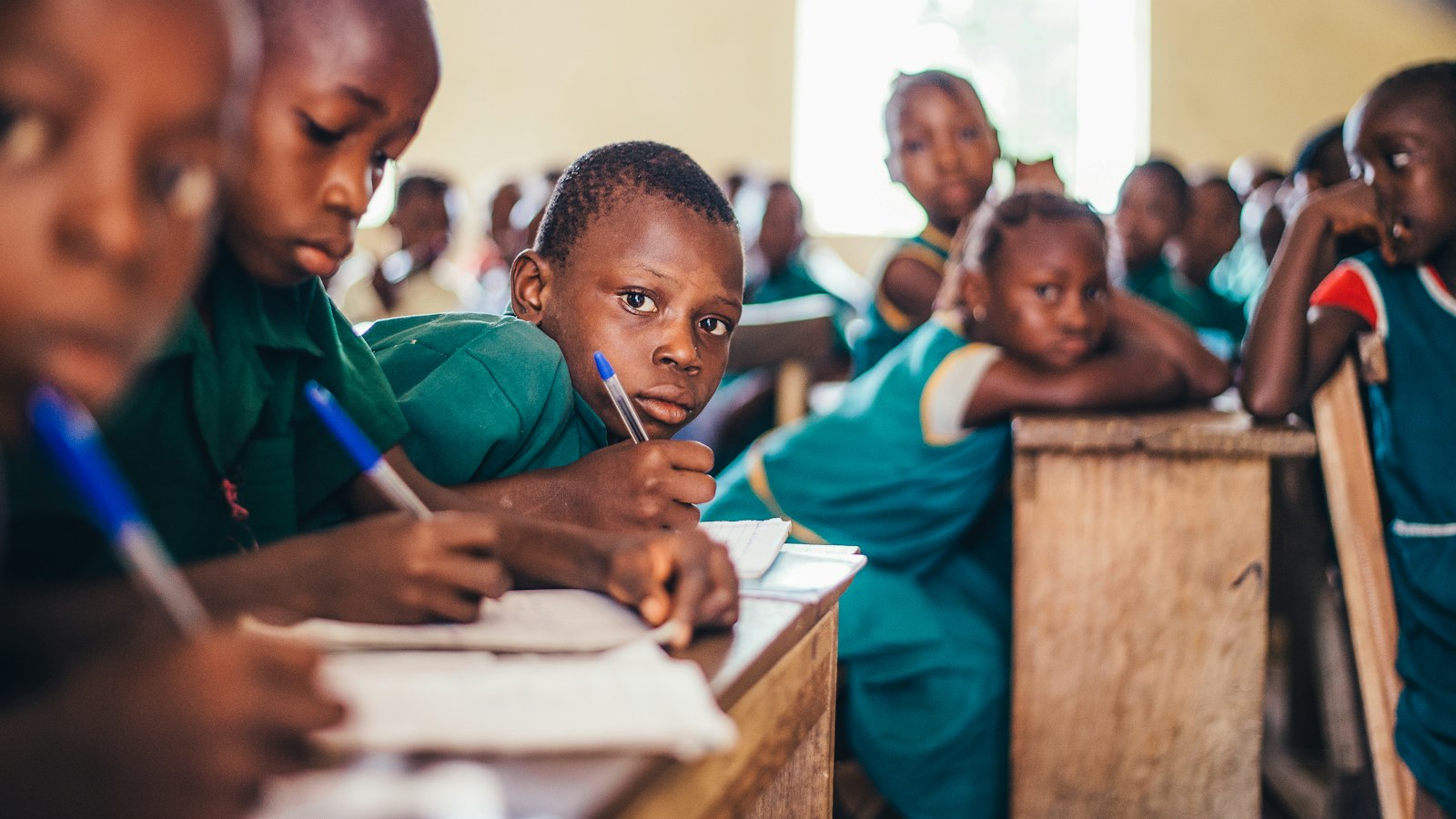
For decades, the start of every school term in Uganda looked the same: parents handing children an envelope of cash for pocket money, and children trying to keep it safe in a dormitory full of people. In 2026 that picture is changing. A growing number of schools are moving to cashless pocket money, using student cards or wristbands that are topped up by parents through mobile money or bank transfer.
Here is how it works, why schools are adopting it, and what parents and students should consider.
How cashless pocket money works
- The school partners with a payment provider. The provider issues each student a smart card, wristband or tag linked to an account. Many of these systems connect to school fees platforms that parents already use.
- Parents load money. Using MTN Mobile Money, Airtel Money or a bank, parents send money to the student's account using a student number or code.
- Students pay by tap or scan. At the school canteen, shop or tuck shop, the student taps the card or wristband, and the amount is deducted. Some systems require a PIN.
- Parents see transactions. Through an app, SMS or web portal, parents can see the balance and what was bought.
- Limits and controls. Many systems let parents set daily spending limits or block certain items.
Why schools are going cashless
- Less theft and loss. Cash in dormitories is often stolen or lost. A card can be blocked and replaced while the balance stays safe.
- Parents can control spending. No more spending a whole term's pocket money in the first two weeks.
- Safer for younger children. Children no longer carry large amounts of cash on journeys or at school.
- Better records for schools. Canteens and shops get clear sales records and less cash handling.
- Quick top ups. Parents can send money anytime without visiting school.
The concerns
Not everyone is convinced. Students and parents have raised several issues:
- Transaction charges. Mobile money and platform fees add to the cost. Ask who pays them.
- Financial literacy. Some argue children need to learn to handle real cash and make budgeting decisions.
- Limited places to spend. Cards may only work inside school, which is a problem for visiting days or travel home.
- Privacy. Parents and providers can see every purchase. Some older students feel this is too much monitoring.
- System downtime. Network or power failures can leave students unable to buy food.
- Unbanked families. Families without regular mobile money access may find it harder.
Questions parents should ask the school
- Which company runs the system, and is it licensed or partnered with a regulated bank or mobile money provider?
- What are the charges for loading money, and are there monthly fees?
- What happens to the balance at the end of term or when my child leaves the school?
- How quickly can a lost card or wristband be blocked and replaced, and at what cost?
- Can I set daily limits and receive SMS alerts for each purchase?
- What is the backup plan if the system is offline?
- How is my child's data protected? Uganda's Data Protection and Privacy Act applies to these systems.
Tips for making it work for your child
- Agree a weekly budget together. Even without cash, children can learn budgeting by planning purchases.
- Use alerts as a teaching tool, not just for control. Talk about choices at the end of each week.
- Keep a small emergency amount available for travel days, as allowed by the school.
- Teach PIN safety. Children should never share their PIN or card with friends.
Is cashless pocket money mandatory?
It depends on the school. There is no single national rule making it compulsory, and policies differ. Some schools have made it the only option, while others run it alongside cash. Check your school's policy before term starts.
Frequently asked questions
Can I use the same platform I use to pay school fees?
Often yes. Several fees payment platforms in Uganda have added student wallets or pocket money features. Ask your school bursar.
What if my child loses the card?
Report it immediately to the school or provider so it can be blocked. The remaining balance is usually transferred to a new card.
Is the money safe?
The money is generally held with the payment provider or partner bank. Choose schools that work with regulated, well known providers.
Need advice on fintech for your school?
If you run a school and are considering a cashless system, or you are building a fintech product for schools, book a call with a verified technology or business consultant on The Quick Consult.