
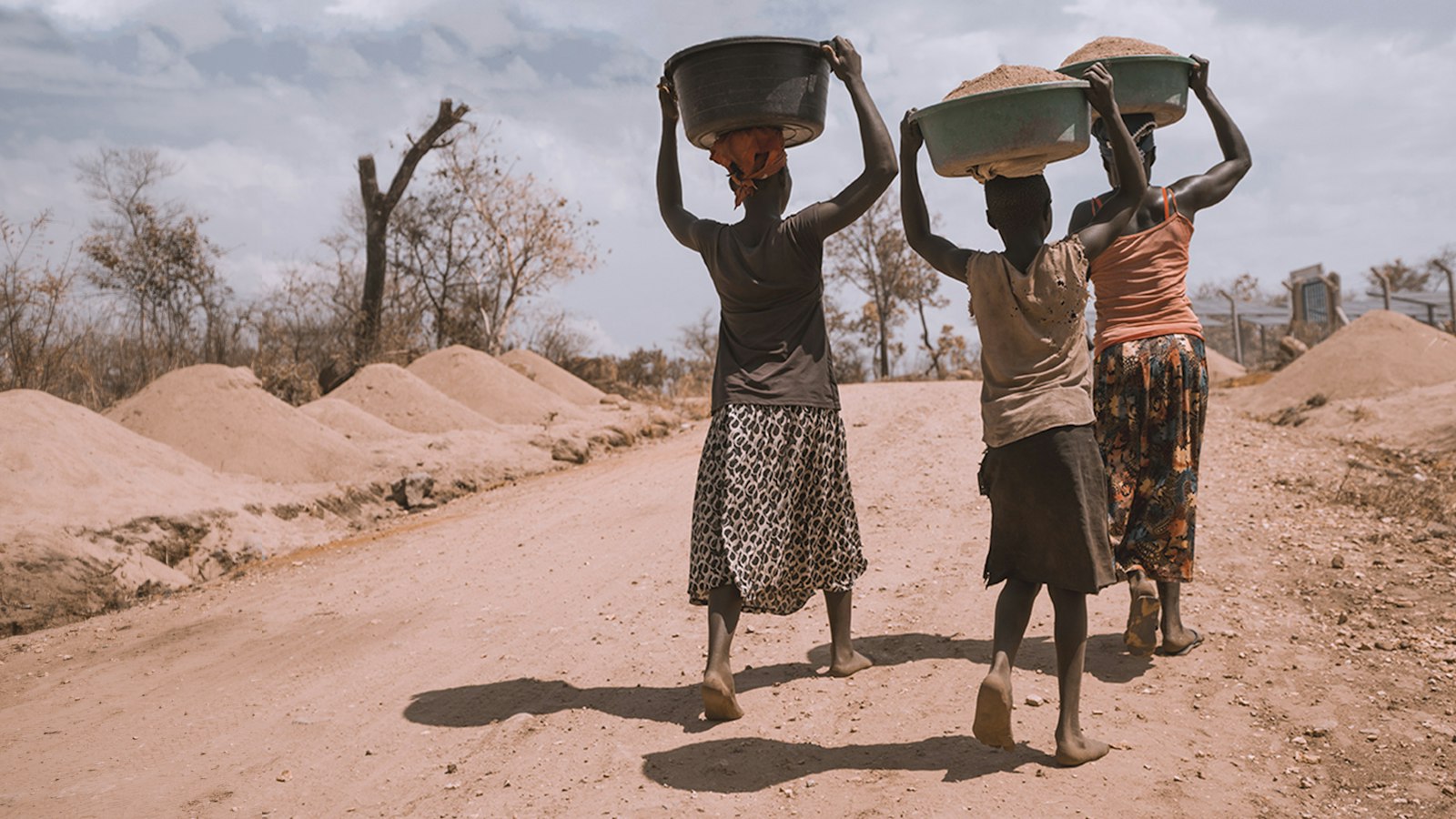
Most Ugandan households, schools and restaurants cook with charcoal or firewood. As forests shrink and charcoal prices rise, briquettes made from charcoal dust and agricultural waste offer a cheaper, cleaner and longer burning alternative. For entrepreneurs, it turns waste into income and can start small.
What are briquettes?
Briquettes are compressed blocks of carbonised material bound together and dried. They burn steadily with less smoke than poor quality charcoal and often last longer, which is why schools, restaurants and roasters love them.
Raw materials
- Charcoal dust and fines collected from charcoal sellers, often free or cheap
- Agricultural waste: maize cobs, coffee husks, groundnut shells, rice husks, sugarcane bagasse
- Banana and matooke peels from markets
- Sawdust from carpentry workshops
Agricultural waste must be carbonised first, by heating in a drum or kiln with limited oxygen, to turn it into char.
Binders
- Cassava flour or starch porridge (most common)
- Clay or soil in small proportions (cheaper, but too much reduces burning quality)
- Paper pulp
Step by step production
- Collect and sort raw materials, removing stones and plastics.
- Carbonise agricultural waste in a drum kiln.
- Crush and sieve the char into fine powder.
- Mix char with binder and water to a mouldable consistency.
- Shape using a manual press, a screw extruder or a briquette machine. Shapes include round "eggs", cylinders and honeycomb blocks.
- Dry in the sun on racks for several days until fully dry. Wet briquettes smoke and crack.
- Package in branded bags of standard weights.
Equipment and capital
- Drum kiln for carbonising
- Crusher or pounding equipment and sieves
- Mixer (manual or motorised)
- Manual press or motorised briquette extruder
- Drying racks and covered storage
- Weighing scale and bags
You can start with manual tools and a small space, then invest in motorised machines once you have regular buyers.
Who buys briquettes?
- Boarding schools and institutions
- Restaurants, hotels and roadside food vendors
- Households in towns
- Poultry farmers for brooding heat
- Bakeries and roasters
Pricing
Price briquettes competitively against charcoal per cooking time, not just per kilogram. Show buyers that a kilo of your briquettes cooks longer than a kilo of charcoal. Offer bulk prices and regular delivery contracts to institutions.
Quality tips
- Use the right binder ratio. Too much makes briquettes hard to light; too little makes them crumble.
- Dry thoroughly before selling.
- Keep ash content low by reducing soil.
- Test burning time regularly and record it.
Marketing ideas
- Run cooking demonstrations in markets and estates.
- Offer free samples to schools and restaurants.
- Promote environmental benefits and savings.
- Partner with stove sellers promoting energy saving stoves.
- Look for support from environmental NGOs and green financing programmes.
Frequently asked questions
Do briquettes produce smoke?
Well carbonised and properly dried briquettes produce very little smoke. Smoke usually means poor carbonisation or moisture.
Can I make briquettes at home?
Yes, on a small scale with manual presses. Ensure safe carbonisation away from homes.
Get help to scale
Book a short call with a verified business or energy consultant on The Quick Consult to plan production and find institutional buyers.