
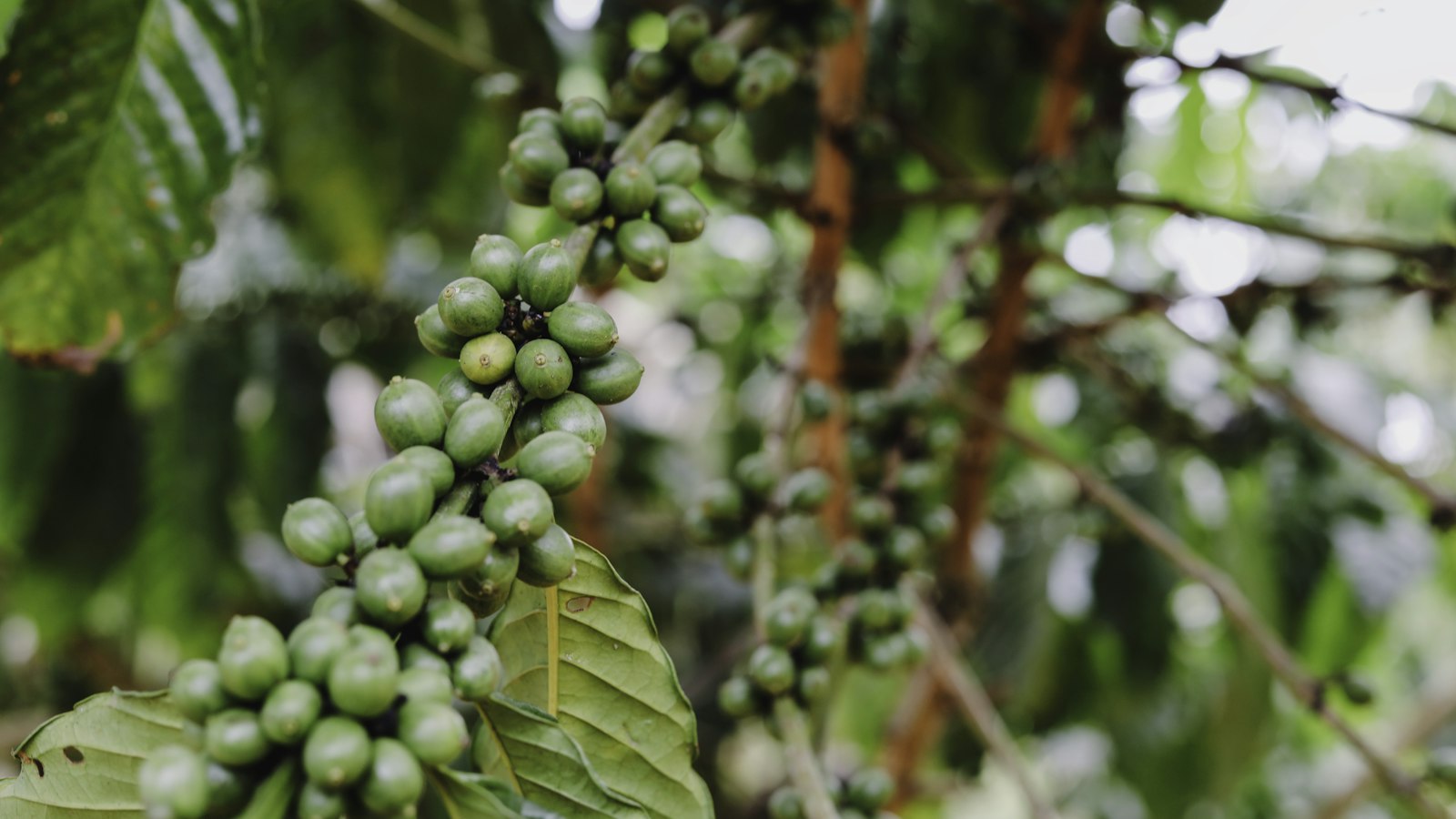
Coffee is Uganda's most important export crop and a source of income for millions of households. Uganda is among the world's leading coffee producers and the largest exporter of Robusta in Africa, and in recent years strong global prices pushed export earnings to record highs. For farmers, that has renewed interest in starting or expanding coffee gardens.
But coffee is a long term crop. It takes years before the first good harvest, and success depends on good seedlings, careful management and selling quality coffee at the right price. This guide explains how to start coffee farming in Uganda the right way.
Who regulates coffee in Uganda now?
For decades, the Uganda Coffee Development Authority (UCDA) regulated and promoted the sector. Following the rationalisation of government agencies, Parliament passed amendments that dissolved UCDA and transferred its functions to the Ministry of Agriculture, Animal Industry and Fisheries (MAAIF). Coffee regulation, extension support and quality oversight now run through the ministry and its structures. Check with your district agricultural office for current extension and seedling programmes.
Robusta or Arabica?
Robusta
Robusta is native to Uganda and makes up most of the country's production. It grows well in lower, warmer areas such as central Uganda, parts of the west, the east and increasingly the north. It is hardy and productive.
Arabica
Arabica grows at higher altitudes, especially on the slopes of Mt Elgon, the Rwenzori mountains and parts of the West Nile and southwestern highlands. It usually fetches higher prices, especially for speciality grades, but needs more careful management.
Your altitude, rainfall and soil largely decide which type suits your land. Ask a local extension officer.
Step 1: Prepare the land
- Choose well drained, fertile soil, avoiding waterlogged areas
- Clear the land, but keep or plant shade trees, which protect coffee from heat and improve quality
- Dig planting holes in advance and mix topsoil with well decomposed manure
- Plan for soil and water conservation on slopes with trenches, mulching and contour planting
Step 2: Get quality seedlings
Buy certified seedlings from registered nursery operators. Clonal Robusta varieties that are tolerant to coffee wilt disease are widely promoted. Poor seedlings can waste years of effort, so this is not the place to save money.
Step 3: Planting and spacing
Plant at the start of the rainy season so seedlings establish well. Spacing depends on variety and system, and extension officers commonly recommend specific spacings for Robusta and Arabica. Follow local advice so trees have enough light and room to grow.
Step 4: Caring for your coffee
Mulching
Mulch with dry grass or crop residues to keep moisture, control weeds and add organic matter.
Fertilising
Use manure and, where needed, recommended fertilisers based on soil tests.
Pruning
Prune to remove old, unproductive and diseased stems and to maintain a good shape. Well pruned trees produce more and are easier to harvest.
Intercropping
In the early years, beans and other short crops can be grown between rows to earn income while coffee matures. Bananas are often grown with coffee for shade and food.
Step 5: Pests and diseases
Common threats include coffee wilt disease, black coffee twig borer, coffee berry borer, leaf rust and coffee berry disease for Arabica. Inspect regularly, remove and destroy infected material, and seek advice before using chemicals.
Step 6: Harvesting
Robusta trees generally start producing within two to three years, while Arabica may take a bit longer. Pick only ripe red cherries. Mixing green and overripe cherries reduces quality and price.
Step 7: Drying and processing
- Dry cherries on tarpaulins or raised drying racks, never on bare ground
- Turn them regularly and protect them from rain
- Store dried coffee (kiboko) in clean bags off the floor
- Arabica is often washed and processed into parchment for better prices
Poor drying causes mould and off flavours, which lower prices for the whole country's coffee.
Step 8: Selling your coffee
- Sell to licensed buyers, cooperatives or exporters
- Join a farmer cooperative to bulk, add value and negotiate better prices
- Track market prices before selling
- Consider adding value through hulling, roasting or speciality certification as you grow
For exporters, see our guide on how to export goods from Uganda.
Costs to plan for
Budget for land preparation, seedlings, manure and fertiliser, labour for weeding and pruning, pest control, drying materials and storage. Remember that income starts only after the trees mature, so plan cash flow for the waiting years with intercrops or other income.
Frequently asked questions
Is coffee farming profitable in Uganda?
Yes, for farmers who manage their gardens well, sell quality coffee and control costs. Prices vary with global markets, so diversify income where possible.
How much land do I need?
Many smallholders farm coffee on less than a few acres. Start with what you can manage well and expand later.
Where can I get free seedlings?
Government and partner programmes have distributed seedlings in the past. Ask your district agricultural office about current programmes.
Plan your coffee business
Book a business consultant on The Quick Consult to plan your budget, financing and route to market before you plant.