
Driving around Kampala, Wakiso, Mukono or any growing town, you will see houses stuck at foundation level, half built walls and roofs waiting for years. Most of these projects did not fail because the owner lacked ambition. They failed because the budget was based on guesswork.
"How much does it cost to build a house in Uganda?" is one of the most searched property questions in the country, and the honest answer is: it depends. This guide explains what drives building costs, how to budget each stage, and how to avoid the overruns that leave Ugandan families with unfinished houses. Because prices of cement, steel, iron sheets and labour change often, use the method here to build your own up to date budget rather than relying on an old figure.
What drives the cost of building a house?
- Size and design: floor area is the biggest factor. A storeyed house also needs more structural work than a bungalow of the same area.
- Location: transport costs, soil conditions and local labour rates vary. Sites far from suppliers pay more for delivery.
- Soil and terrain: sloping sites, swampy ground and rocky soil need more foundation work.
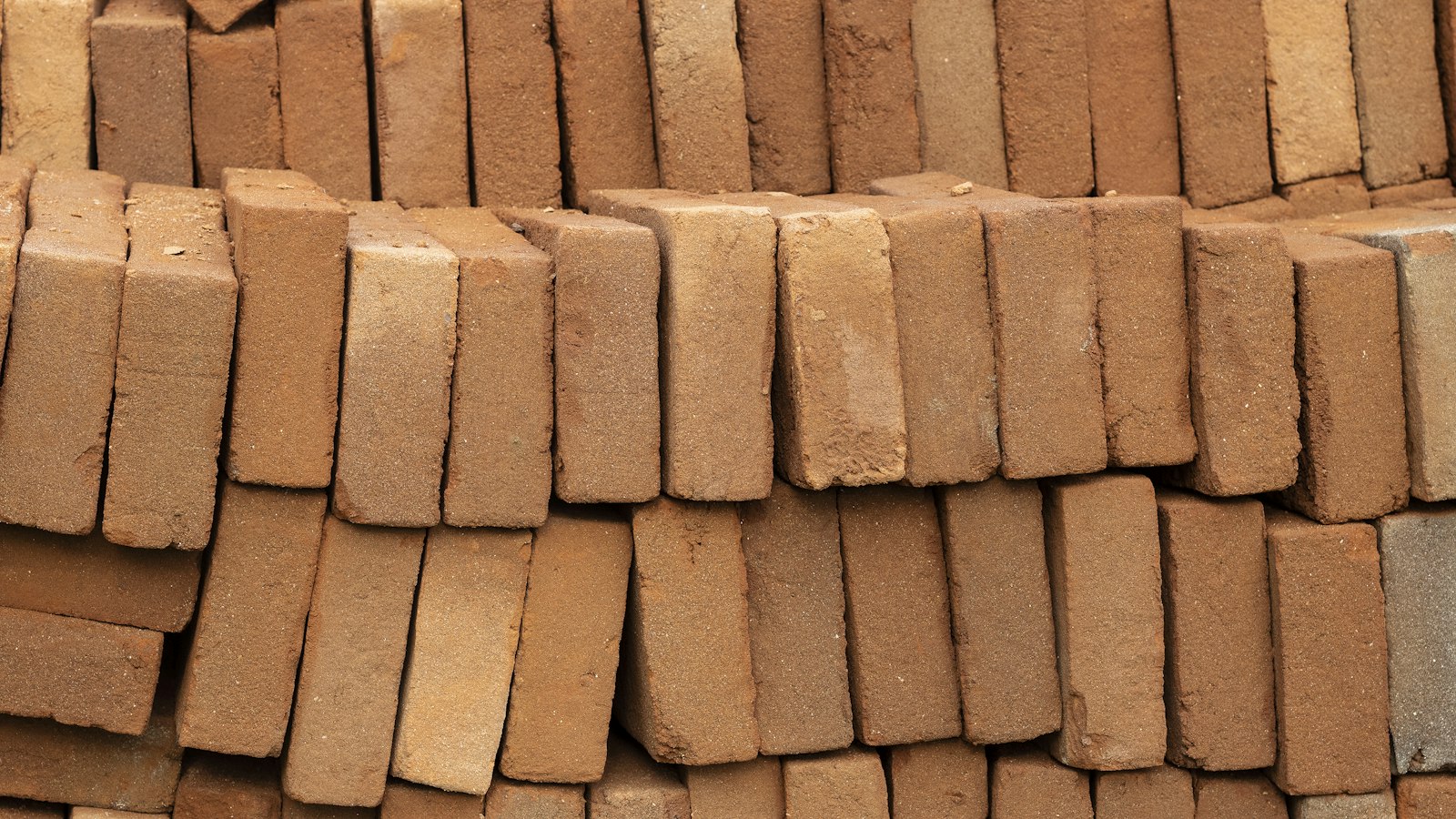
- Materials: burnt clay bricks, concrete blocks, interlocking stabilised soil blocks, roofing type and finishes all change the total.
- Finishes: tiles, ceilings, kitchen fittings, doors and windows can make up a large share of the cost, and choices here vary hugely.
- Approach: hiring a contractor for a fixed price, managing labour yourself, or a mix of both.
- Timing: material prices rise over time, so a project spread across many years often costs more in total.
Step 1: Start with the right professionals
Before buying a single bag of cement, invest in:
- An architect or qualified draughtsman for approved plans
- A structural engineer for foundations, slabs and columns, especially for storeyed buildings
- A quantity surveyor to produce a bill of quantities, which lists every material and its quantity and is the foundation of an accurate budget
These fees feel expensive at the start, but they often save far more than they cost by preventing waste, theft and structural problems.
Step 2: Get approvals
Building plans need approval from the relevant physical planning authority: KCCA in Kampala, or the municipal, town or district council elsewhere. Building without approval can lead to fines, stoppage or demolition, and causes problems when you later sell, mortgage or insure the property. Also confirm your land title is clean before you build. See our guide on how to verify a land title.
Step 3: Budget stage by stage
Break your project into stages. This lets you plan cash flow, and if you build in phases, each stage leaves the house in a stable state.
Site preparation and setting out
Clearing, levelling, temporary structures for storage and security, and water connection for construction.
Foundation
Excavation, hardcore, concrete, reinforcement and foundation walls up to the slab. Poor soil or slopes increase this stage significantly.
Walling (superstructure)
Bricks or blocks, mortar, ring beams, columns and lintels. This stage is very visible, which is why many people rush it, but it depends on a good foundation.
Roofing
Timber or steel trusses, roofing sheets or tiles, gutters and fascia boards. Roofing protects everything else, so prioritise it once walls are up.
Plumbing and electrical works
Pipes, wiring, sockets, switches, distribution board, water tanks and septic or sewer connection. Plan these before plastering to avoid breaking walls later.
Plastering and finishes
Plaster, screed, ceilings, flooring, tiles, painting, doors, windows, kitchen fittings, bathroom fittings and wardrobes. Finishes are where budgets most often explode, because choices are endless.
External works
Perimeter wall, gate, driveway, landscaping and drainage.
Step 4: Add contingency
Add a contingency of at least 10 to 15 percent for price increases, design changes and surprises. Projects without contingency are the ones that stall.
Ways to reduce building costs without cutting quality
- Choose a simple, compact design. Complex roofs and many corners cost more.
- Use locally available materials where they meet quality standards.
- Buy materials in bulk at the right time and store them securely.
- Supervise closely or hire a trustworthy site supervisor to prevent theft and waste.
- Get several quotes for labour and major materials.
- Finish and occupy part of the house, then complete the rest.
Contractor or self managed?
A contractor with a fixed price contract gives more certainty but costs more upfront. Managing labour yourself can save money, but only if you or someone you trust can supervise daily. Diaspora Ugandans should be especially careful. Use professionals, require photos and receipts for every stage, and release money in stages tied to verified progress.
Common budgeting mistakes
- Budgeting only for walls and roof and forgetting finishes
- Skipping the bill of quantities
- No contingency
- Changing the design midway
- Paying for materials that never reach the site
Frequently asked questions
How much does a three bedroom house cost to build in Uganda?
It depends on size, location, materials and finishes. Ask a quantity surveyor to price your specific plan with current market rates. That is the only reliable figure.
How long does it take to build a house?
With steady funding, a typical family house can be completed within months. Phased projects take longer, depending on cash flow.
Can I get a loan to build?
Banks offer construction and mortgage loans, and some SACCOs lend for building. You will usually need approved plans, a bill of quantities and a clean land title.
Get expert advice before you build
A short call can save millions. Book a consultant on The Quick Consult to review your plan, budget or contractor quote before you commit.