
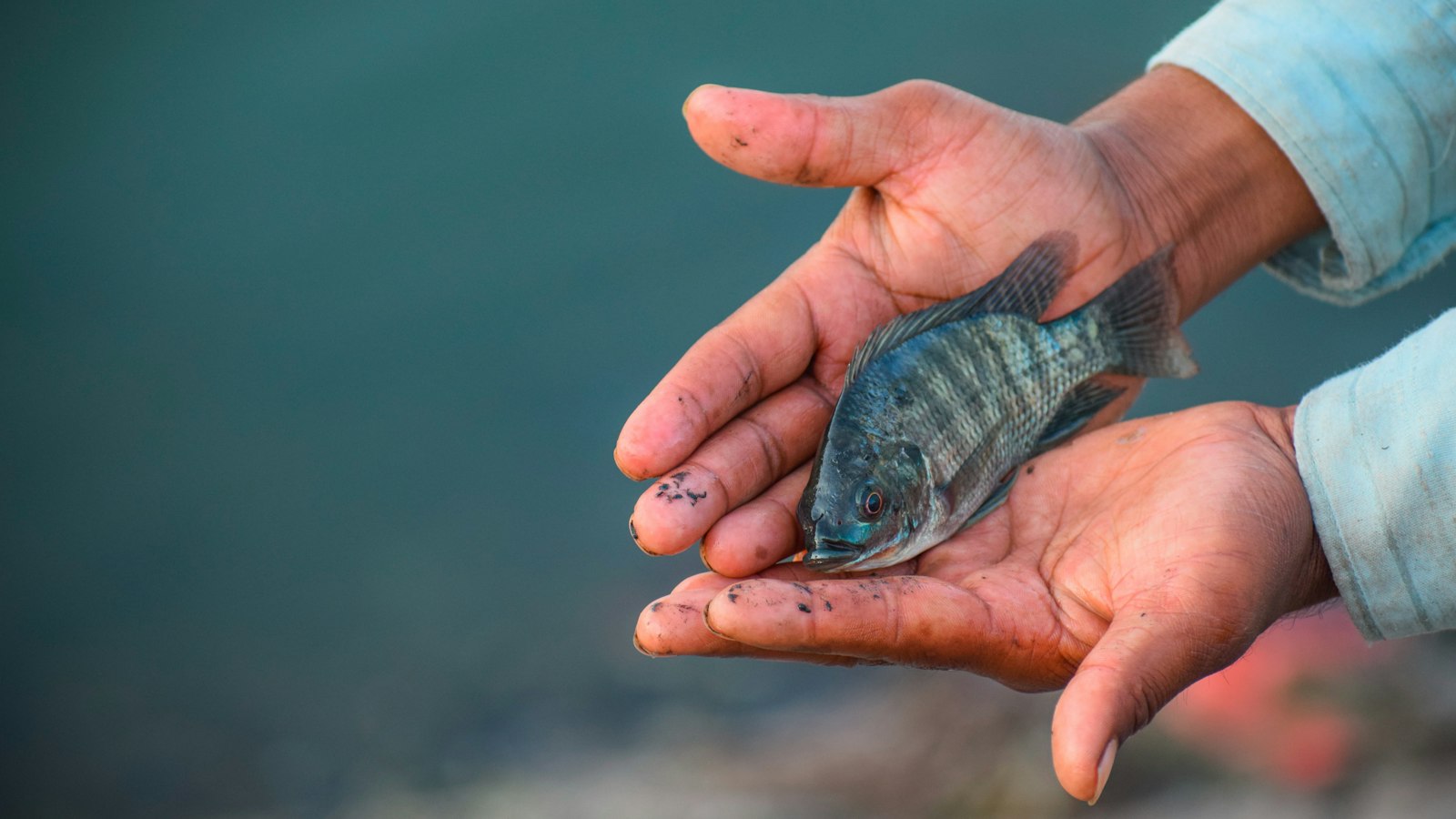
Fish is one of Uganda's favourite foods, from fried tilapia in Kampala's restaurants to smoked catfish in village markets. Yet wild catches from our lakes are under pressure, and demand keeps growing at home and in neighbouring countries. Fish farming, also called aquaculture, helps fill that gap and has become a serious business for many Ugandans.
It can also be a painful way to lose money if you start without a plan. Feed is expensive, fingerling quality varies and fish can die quickly when water conditions go wrong. This guide walks through the basics so you can start small, learn fast and grow with confidence.
Tilapia or catfish?
Nile tilapia
- The most popular farmed fish in Uganda and the most familiar to buyers.
- Usually reaches table size in about six to ten months, depending on feed, water temperature and stocking density.
- Best grown from mono-sex (all male) fingerlings, which grow faster and do not breed uncontrollably in the pond.
- Needs good water quality and suits ponds, cages and tanks.
African catfish (mudfish)
- Hardy, can breathe air and survives in water with less oxygen.
- Grows to large sizes and has a strong market in some regions, especially smoked.
- Can be cannibalistic, so fingerlings should be sorted by size.
- Also sold as bait for Nile perch fishermen in some areas.
Many beginners start with tilapia for the bigger market, or keep both in separate ponds.
Ponds, cages or tanks?
- Earthen ponds: the most common choice for small farmers. You need land with clay soil that holds water and a reliable water source. Ponds are cheaper to run but production per square metre is lower.
- Cages: floating nets placed on lakes, mainly Lake Victoria. Cage farming produces most of Uganda's farmed tilapia, but it is capital intensive, needs a boat and security, and requires government permits and approved locations.
- Tanks and recirculating systems: concrete or plastic tanks, sometimes with pumps and filters. They suit small plots and urban areas, but you need power, water management and more technical skill.
Choosing a site
- Year round water from a spring, stream or borehole, without pollution from farms or factories.
- Soil that holds water. Squeeze a ball of moist soil: if it holds its shape, it may be suitable.
- Land that is not a protected wetland. Building ponds in wetlands without approval can lead to enforcement action.
- Good road access to bring feed in and take fish to market.
- Security against theft and predators such as birds and otters.
Permits and registration
Aquaculture is regulated by the Ministry of Agriculture, Animal Industry and Fisheries (MAAIF) under the Fisheries and Aquaculture Act, 2022. In practice:
- Register your farm with your district fisheries officer, who can also advise on pond design.
- Cage farming requires permits from MAAIF and is only allowed in approved areas on lakes.
- Larger farms may need environmental approval from the National Environment Management Authority (NEMA).
- Moving live or farmed fish may need movement permits.
Requirements change, so confirm current permits and fees with MAAIF or your district before you invest.
Getting good fingerlings
Buy fingerlings only from reputable hatcheries, ideally ones recommended by your district fisheries office or a research station such as the Aquaculture Research and Development Centre at Kajjansi. Poor fingerlings mean slow growth and high deaths.
- Industry studies have put fingerling prices at around UGX 200 for tilapia and UGX 300 for catfish. Prices vary by size, hatchery and region, so get current quotes.
- Transport fingerlings early in the morning or evening, in oxygenated bags.
- Let the bags float in the pond for some time so the water temperature evens out before release.
Feed: your biggest cost
Feed is usually the largest operating cost in fish farming, and it decides whether you make a profit. Commercial floating pellets give the best growth and let you see how much the fish are eating.
- Use starter feed with high protein for small fish, then switch to grower feed as they get bigger.
- Feed two or three times a day at the same times, and remove feed that is not eaten.
- A well-run tilapia farm uses roughly 1.5 to 1.6 kg of feed to produce 1 kg of fish. Overfeeding wastes money and spoils water.
- Many catfish farmers mix commercial feed with cheaper local feeds to cut costs, but quality must be controlled.
A simple cost example
This rough example shows how the numbers work. Use real local prices for your own plan.
- Stock 1,000 tilapia fingerlings.
- Expect some losses. If 800 survive to about 400 g each, you harvest around 320 kg of fish.
- At a feed conversion of 1.5, you need about 480 kg of feed.
- If feed costs UGX 4,000 to 6,000 per kg, feed alone costs roughly UGX 1.9 million to 2.9 million.
- MAAIF figures for 2024 put fresh tilapia at about UGX 10,000 per kg at landing sites and UGX 14,500 retail. At UGX 10,000 per kg, 320 kg earns about UGX 3.2 million.
After fingerlings, labour, pond costs and transport, the margin can be thin. Profit improves with better survival, efficient feeding, selling direct to buyers and growing to the sizes your market wants.
Finding a market
- Restaurants, hotels, schools and supermarkets near you.
- Local markets and fish traders. Agree prices before harvest day.
- Direct sales to households and workplaces, especially for fresh fish.
- Smoking or drying fish to sell when fresh prices are low.
- Farmer groups that sell together and buy feed in bulk.
Plan harvests so you are not selling at the same time as everyone else.
Common mistakes to avoid
- Building a pond before checking water and soil. Leaking ponds waste months.
- Stocking too many fish for your pond, which slows growth and causes deaths.
- Cheap, mixed-sex tilapia fingerlings that breed and stay small.
- Underfeeding or using poor feed to save money, then waiting a year for small fish.
- No buyer lined up at harvest time.
- Ignoring records. Track fish numbers, feed used, deaths and sales for every cycle.
Frequently asked questions
How much land do I need to start fish farming?
A single small pond can be a good start for learning. What matters more is reliable water and soil that holds water.
How long before I harvest?
Tilapia often take six to ten months to reach table size. Catfish timelines vary with the size your buyers want.
Do I need a permit for a pond on my own land?
You should register with your district fisheries officer, and some farms need further approvals, especially near wetlands or for cages. Check current rules with MAAIF.
Can I make my own fish feed?
Yes, many farmers do, but home-made feed must be balanced in protein. Poor feed leads to slow growth and losses.
Where can I get training?
District fisheries offices, MAAIF programmes, research centres such as Kajjansi and experienced farmers offer training. Visit working farms before you invest.
Talk to an expert
A good plan before you dig can save you a costly first season. You can book a verified agribusiness or aquaculture consultant on The Quick Consult to review your site, budget and market plan, and to help you choose between ponds, tanks or cages.