
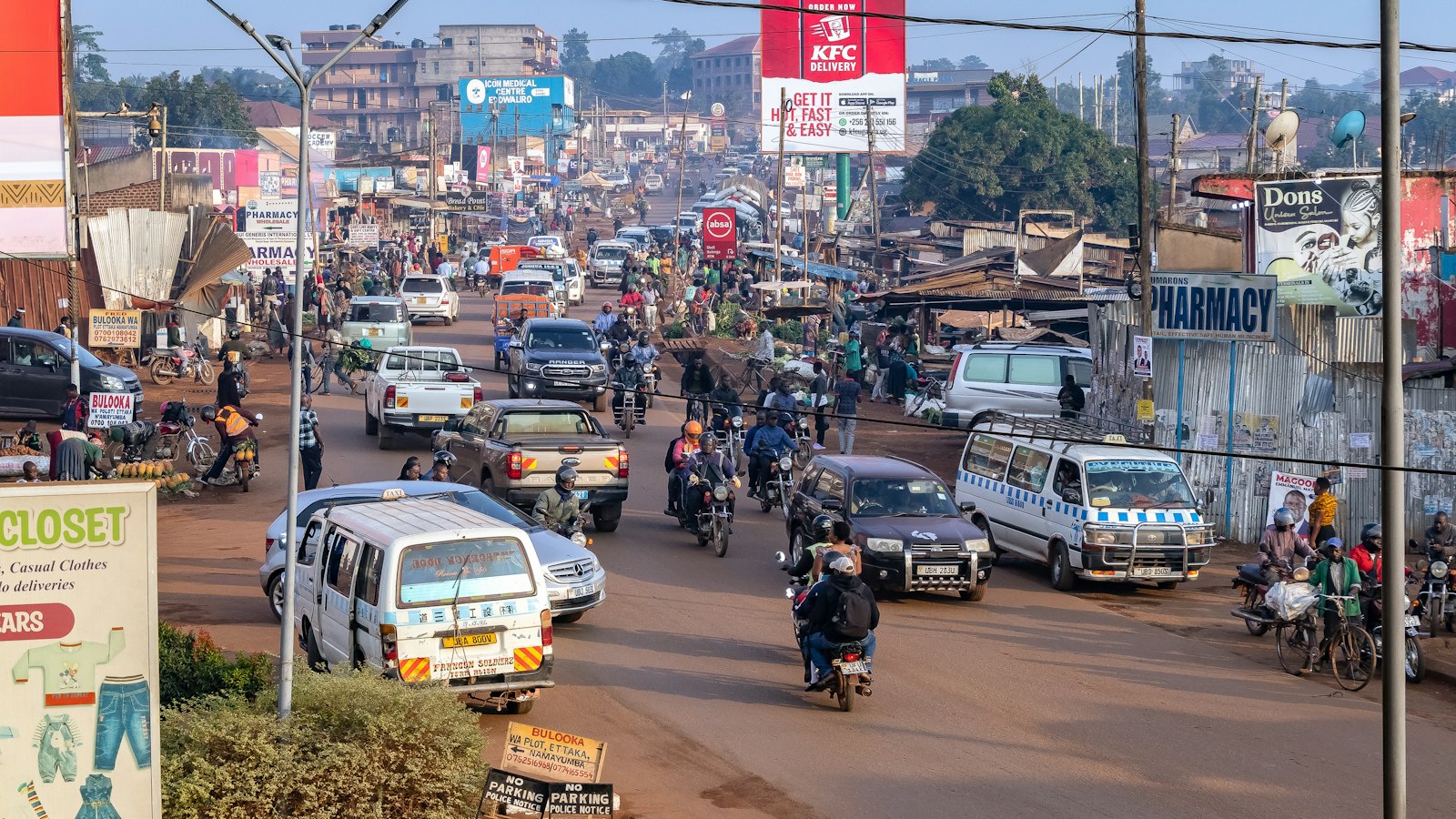
If you have filled up a car, boda boda or generator in the last few weeks, you already know the story. Fuel prices in Uganda have climbed sharply in September and October 2026, with petrol and diesel now close to Shs7,000 per litre in Kampala and reported at Shs7,000 to Shs8,000 in some upcountry towns. Transport fares, food prices and the cost of running a business are all feeling the pressure.
This guide explains, in plain language, why pump prices are going up, what the government has said, how long the pressure may last, and most importantly, what you can do today to spend less on fuel.
Current fuel prices in Uganda (October 2026)
Uganda runs a liberalised fuel market, which means the government does not fix one pump price. Each oil marketing company sets its own price, so you will see differences between stations, towns and regions. Here is what official and media reports show:
- August 2026 average (Ministry of Finance): petrol about Shs6,529 per litre, diesel about Shs6,647 per litre.
- Early September 2026 (Ministry of Energy market surveillance): petrol Shs6,650 in Kampala and Shs6,850 in Moroto; diesel Shs6,800 in Kampala and Shs7,099 in Moroto.
- Early October 2026: petrol and diesel approaching Shs7,000 per litre in parts of Kampala, and Shs7,000 to Shs8,000 in some remote and border areas.
Prices change week to week, so always compare a few stations near you before filling a full tank.
Why are fuel prices rising in Uganda?
When Energy Minister Dr Monica Musenero addressed Parliament on 6 October 2026, she pointed to three main causes. Other officials and economists have added a few more.
1. The shilling has weakened against the US dollar
Uganda imports all of its refined petroleum, and fuel is bought in US dollars. The shilling moved from about Shs3,790 per dollar at the start of September 2026 to more than Shs4,000 in early October, and commercial banks were quoting around Shs4,090 to Shs4,100 by 9 October. The Ministry of Energy estimates that the exchange rate movement alone adds roughly Shs300 to every litre.
2. Higher excise duty from the 2026/27 budget
The Excise Duty (Amendment) Act, 2026 raised excise duty on petrol and diesel by Shs200 per litre, effective 1 July 2026. That increase is built into every litre you buy.
3. Higher world oil prices and supply disruptions
Conflict in the Gulf and the wider Middle East has disrupted production and shipping, and Brent crude has traded above 100 US dollars a barrel. President Museveni, speaking on Independence Day, said a supply arrangement had kept prices lower for about four months, but that Uganda could not keep demanding discounted supplies while prices rose everywhere else.
4. Transport and logistics costs
Fuel is landed at Mombasa or Dar es Salaam, trucked or piped inland, then distributed across the country. Every extra kilometre adds cost, which is why towns like Moroto, Arua, Kotido and Adjumani often pay more than Kampala.
5. Heavy demand for dollars
Importers, energy companies, telecom firms and traders stocking up for the end of the year are all buying dollars at the same time, which puts more pressure on the shilling and, in turn, on fuel.
What is the government doing?
According to the Ministry of Energy and Mineral Development, the main measures include:
- Coordinated fuel procurement through the Uganda National Oil Company (UNOC).
- Working with Kenya on a product sharing framework and with Tanzania on alternative supply routes through Tanga.
- Expanding storage, including a planned 10 million litre petrol tank at the Jinja Storage Terminal and support for the 320 million litre Kampala Storage Terminal.
- Monitoring pump prices in remote and border markets and warning fuel companies against unexplained margins. One company in Adjumani was issued a default notice after public complaints.
The government has also urged the public to report suspected overpricing, illegal diversion of fuel and artificial scarcity. Some ministers have advised households and offices to avoid unnecessary trips and share vehicles while the pressure lasts.
How fuel prices affect your daily costs
Fuel is in almost everything you buy. When diesel goes up, the cost of moving food from Mbale, Masaka or Gulu to Kampala goes up. Taxi and boda boda fares rise. Factories and businesses that rely on generators pay more for power. Over time, these costs show up in the price of matooke, posho, sugar, soap and school transport. Economists expect inflation to drift above 5 percent this financial year as a result.
15 practical ways to save fuel in Uganda
For car owners
- Check your tyre pressure every two weeks. Under inflated tyres increase rolling resistance and can raise fuel use noticeably. The correct pressure is printed inside the driver's door or in the manual.
- Drive smoothly. Hard acceleration and late braking burn fuel. Look ahead, ease off early and keep a steady speed.
- Keep to 80 to 90 km/h on highways. Fuel use rises quickly above this range because of wind resistance.
- Switch off the engine in long jams. If you will be stationary for more than a minute, idling wastes fuel. Kampala jam at Kibuye, Nakawa or Northern Bypass junctions can burn a surprising amount.
- Service the car on time. A clogged air filter, old spark plugs or dirty injectors raise consumption. Use the correct engine oil grade.
- Remove extra weight. Bags of cement, spare tyres you do not need and heavy boot items all cost fuel. Remove roof racks when not in use.
- Use air conditioning wisely. In town at low speed, open windows may be cheaper. On the highway, closed windows with light AC is usually better.
- Plan and combine trips. Do school runs, shopping and errands in one loop instead of three separate journeys.
- Use navigation apps to avoid jams. Google Maps traffic layers help you avoid the worst routes at peak hours.
- Buy fuel from busy, reputable stations. Adulterated fuel damages engines and increases consumption. Keep receipts.
For boda boda riders and transport operators
- Keep the chain clean, oiled and correctly tight. A dry or loose chain wastes power.
- Avoid revving at stages. Engine idling while waiting for passengers adds up across a full day.
- Track fuel per trip. Write down how much you spend and how many trips you make. You will quickly see which routes and habits cost the most.
For businesses and households
- Review generator use. Run generators only for essential loads and consider solar for lighting, phones and small equipment. A small home solar system can pay for itself faster when fuel is expensive.
- Share transport and allow remote work. Carpooling with colleagues, staggered work hours, and online meetings for some tasks can cut company fuel bills significantly.
Will fuel prices come down?
Nobody can promise a date. Prices depend on world oil markets, the dollar exchange rate and regional supply. If tensions in the Middle East ease and the shilling stabilises, pump prices could ease over time. Over the longer term, new storage terminals and Uganda's own oil production, which officials expect before the end of June 2027, may reduce exposure to supply shocks, although crude oil will mainly be exported at first.
For now, the best approach is to budget for higher transport costs through the end of 2026 and use the tips above to protect your wallet.
Frequently asked questions
Who sets fuel prices in Uganda?
No single body. Uganda has a liberalised petroleum market, so oil marketing companies set pump prices. The Ministry of Energy monitors prices and can act against unjustified margins.
Why is fuel more expensive upcountry than in Kampala?
Transport distance, lower sales volumes, less competition and supply arrangements all add cost. The government has warned that logistics should not be used to justify excessive margins.
Where can I report fuel overpricing?
You can report to the Petroleum Supply Department at the Ministry of Energy and Mineral Development, your district leadership, or through official ministry channels. Keep your receipt, the station name and the date.
Need help planning your budget or business costs?
Rising fuel prices hit small businesses hardest. If you want help reworking your pricing, transport budget or cash flow, you can book a quick video call with a verified business or finance expert on The Quick Consult and get practical advice in minutes.