
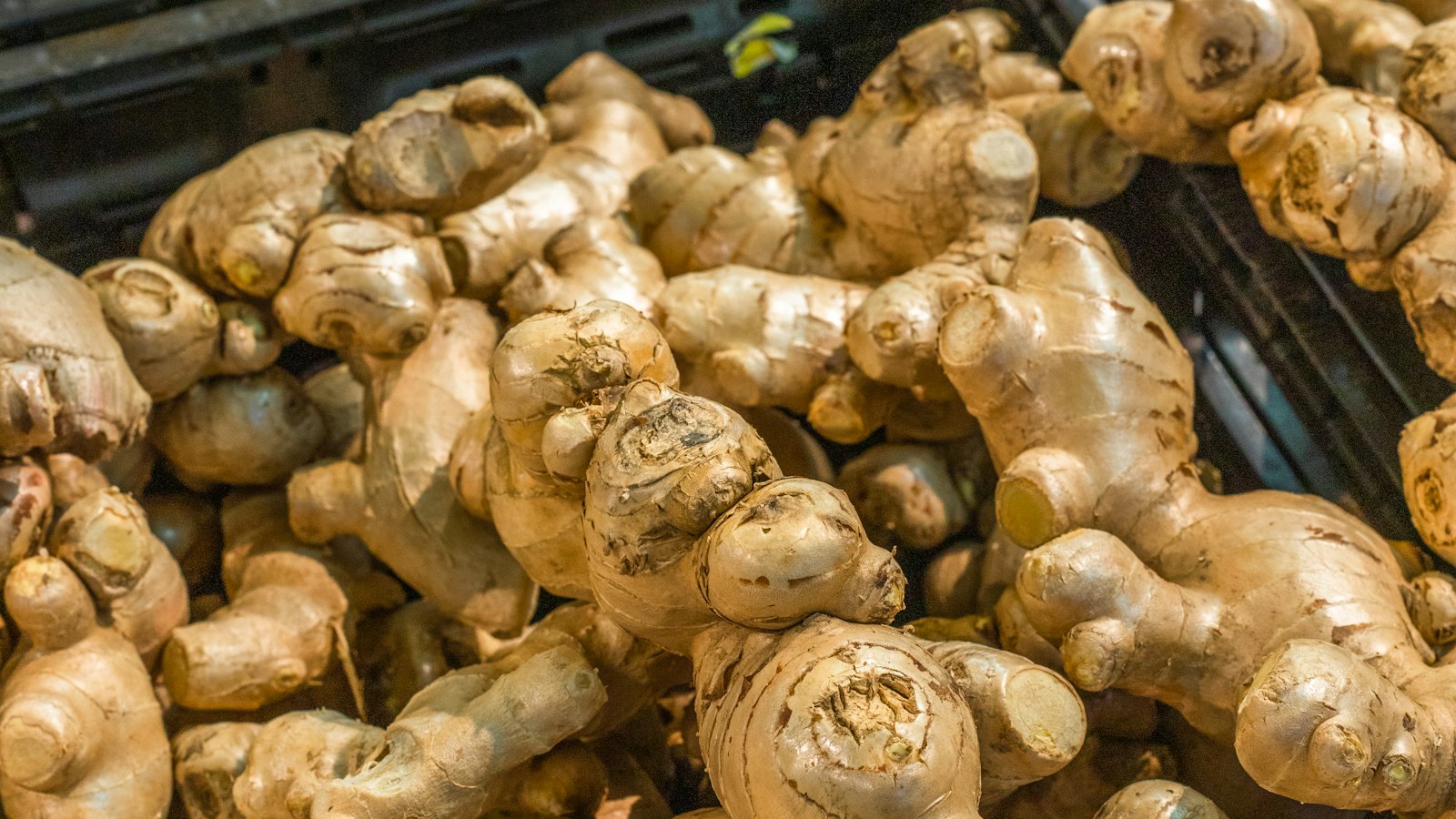
Ginger is in every Ugandan kitchen and in growing demand for tea, juice, ginger shots, spices and herbal products. Districts in central, eastern and western Uganda grow it successfully, and good farmers earn well because ginger can be sold fresh or dried and stored longer than many vegetables.
Climate and soil
- Warm, humid conditions with well distributed rainfall, or irrigation
- Deep, loose, well drained loam soils rich in organic matter
- Soil pH around 5.5 to 6.5
- Avoid waterlogged land; rhizomes rot easily
- Partial shade is tolerated, which allows intercropping in young orchards
Selecting seed rhizomes
- Use healthy, disease free rhizomes from a trusted source or your own clean crop.
- Cut into pieces of about 3 to 5 cm, each with at least one or two healthy buds (eyes).
- Some farmers treat seed pieces with recommended fungicide to reduce rot.
- Allow cut pieces to dry briefly in shade before planting.
Land preparation
Plough deeply and harrow to a fine tilth. Make raised beds or ridges, especially in areas with heavy rain, to improve drainage. Incorporate plenty of well decomposed manure or compost.
Planting
- Timing: plant at the beginning of the rainy season.
- Depth: about 5 cm deep with buds facing upward.
- Spacing: around 20 to 25 cm between plants and 25 to 30 cm between rows, depending on bed design.
Mulching
Mulch immediately after planting with dry grass or leaves. Mulch protects buds, keeps moisture, controls weeds and adds organic matter. Add more mulch after weeding.
Fertiliser and care
- Ginger is a heavy feeder. Combine manure with NPK fertiliser according to soil tests.
- Top dress during active growth.
- Weed regularly, especially in the first months.
- Earth up soil around plants to cover developing rhizomes.
Pests and diseases
- Bacterial wilt: the most serious disease. Plants yellow and wilt. Use clean seed, rotate crops, improve drainage and remove infected plants.
- Soft rot: caused by fungi in wet soils. Avoid waterlogging and use treated seed.
- Nematodes and shoot borers: rotate crops and keep fields clean.
Do not plant ginger repeatedly on the same land, and avoid land previously used for tomatoes, potatoes or other wilt susceptible crops.
Harvesting
- Fresh (green) ginger: can be harvested from about 6 months.
- Mature ginger: usually harvested at around 8 to 10 months when leaves turn yellow and dry.
- Dig carefully with a hoe or fork to avoid damage, shake off soil and do not wash if storing for long.
Drying and value addition
- Peel or scrape, slice and dry in solar dryers to make dried ginger.
- Grind dried ginger into powder for spice and tea markets.
- Make ginger juice, concentrates or tea blends with proper hygiene and UNBS certification.
Markets
- Fresh produce markets in Kampala and major towns
- Juice makers, restaurants and hotels
- Spice processors and herbal product makers
- Regional and international buyers for dried ginger
Frequently asked questions
How much seed ginger do I need per acre?
It depends on spacing and seed piece size, but ginger needs a significant quantity of seed rhizomes, which is one of the main costs. Plan your seed budget carefully.
Can I grow ginger in sacks?
Yes, ginger grows well in sacks or containers with good soil and drainage, which suits urban farmers with little land.
Get expert guidance
Book a short call with a verified agronomist on The Quick Consult to plan your ginger farm and find markets.