
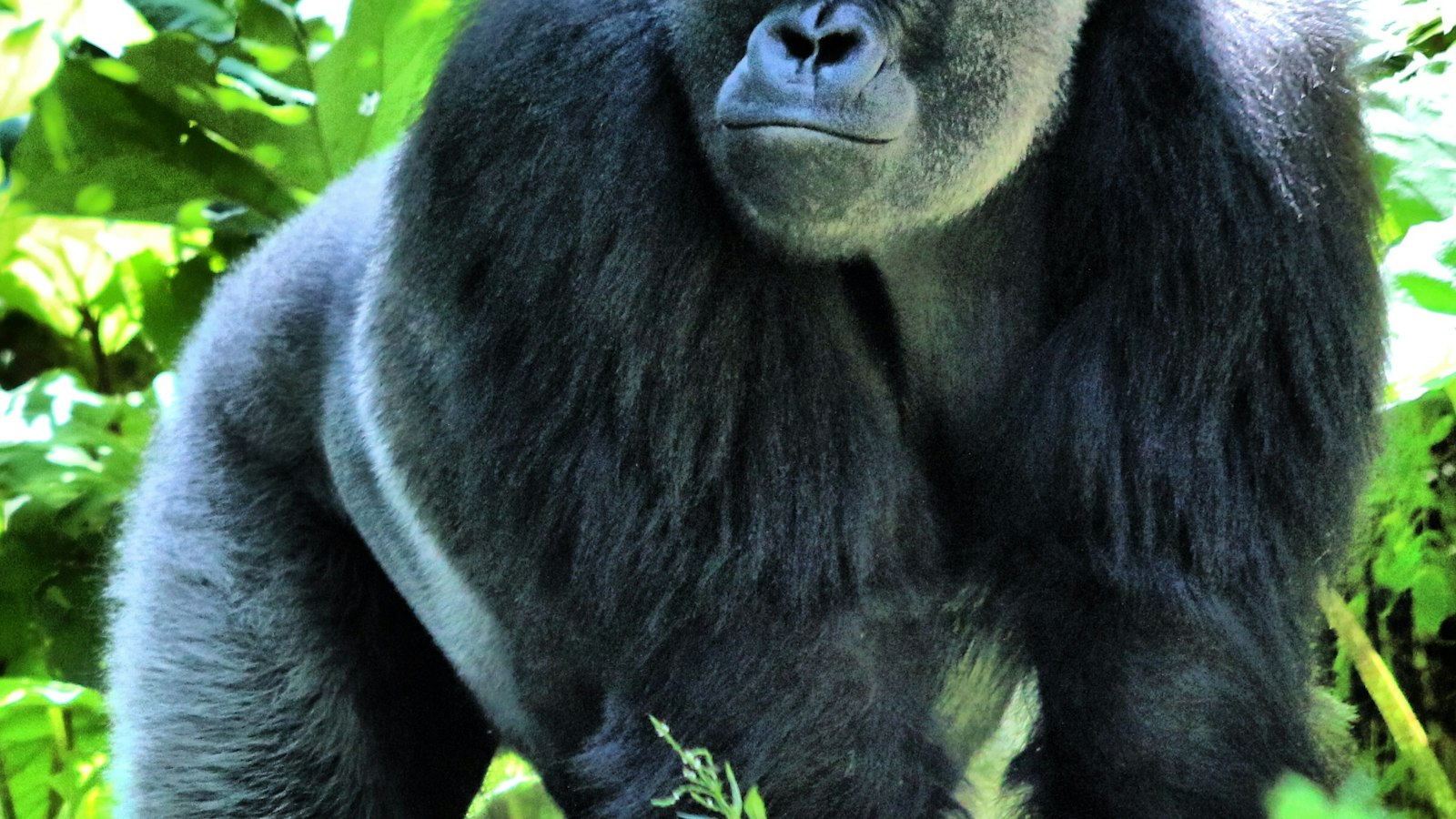
Seeing mountain gorillas in the wild is one of the most talked about experiences in East Africa, and Uganda is home to roughly half of the world's remaining mountain gorillas. Yet many Ugandans have never been, often because they assume it is only for foreign tourists with deep pockets.
The truth is that East African citizens pay a fraction of the foreign rate, and with some planning a gorilla trek is within reach for a family, a couple or a group of friends. This guide explains what permits cost in Uganda and Rwanda in 2026, what else to budget for, when to go and how to book without losing money.
Uganda gorilla permit prices in 2026
Gorilla permits in Uganda are issued by the Uganda Wildlife Authority (UWA). Gorilla trekking happens in two parks: Bwindi Impenetrable National Park and Mgahinga Gorilla National Park. The rates below were the published UWA rates at the time of writing:
- East African citizens (including Ugandans): UGX 300,000 per permit
- Rest of Africa: USD 500
- Foreign residents: USD 700
- Foreign non-residents: USD 800
The permit covers one trek with a ranger team and up to one hour with a habituated gorilla family once you find them. UWA's current tariff runs to June 2026 and a new tariff starts in July 2026, so always confirm the price on the day you book.
Low season discounts
In early 2026 UWA introduced discounted low season gorilla permits for April, May and November. At the time of writing, the discounted rates were USD 600 for foreign non-residents and USD 500 for foreign residents. The big catch is that low season permits cannot be rescheduled, so only book them when your dates are certain.
Gorilla habituation experience
The habituation experience lets a small group spend up to about four hours with a gorilla family that is still being used to people, alongside researchers and trackers. It is available only in the Rushaga sector of Bwindi and places are very limited.
- Foreign non-residents: USD 1,500 at the time of writing, reported to rise to USD 1,800 from 1 January 2027
- Foreign residents: reported to rise to USD 1,600 from 1 January 2027
- East African citizens: around UGX 750,000 at the time of writing
If habituation interests you, ask UWA or a licensed tour operator for the exact rate that applies on your trek date, since the change in January 2027 depends on when you trek and when you pay.
Rwanda gorilla permit prices in 2026
In Rwanda, trekking takes place in Volcanoes National Park and permits are sold by the Rwanda Development Board (RDB). The standard rate for international visitors is USD 1,500, almost double Uganda's top rate.
RDB has extended promotional rates into 2026. At the time of writing these were:
- Rwandans and EAC citizens: USD 200
- African citizens and African residents: USD 500
These promotional rates run until 31 December 2026 but do not apply from June to October 2026, which is peak season. You will need a national ID, passport or other proof of eligibility. Volcanoes is about two to three hours' drive from Kigali on good roads, which is why many people choose Rwanda despite the higher price.
What a gorilla trip costs for a Ugandan
The permit is only one part of the bill. Here is what to plan for if you are travelling from Kampala:
- Permit: UGX 300,000 per person in Uganda.
- Transport: Bwindi is a long day's drive from Kampala, often 8 to 10 hours depending on the sector. Budget for fuel and a sturdy vehicle, a private hire with driver, or bus fare to Kabale or Kisoro plus a local transfer. Domestic flights to airstrips near Bwindi exist but cost much more.
- Accommodation: options range from simple community guesthouses to high-end lodges. Plan for at least two nights near the park because treks start early in the morning.
- Porter: local porters carry your bag and help on steep slopes. Fees are modest, commonly in the region of USD 15 to 20, and hiring one supports the surrounding community.
- Gear: waterproof jacket, good walking shoes or boots, long trousers, garden gloves and insect repellent.
- Tips and extras: small tips for rangers and porters, meals and drinks on the road.
As a rough guide, a self-drive group of Ugandans sharing a car and staying in budget lodges can do the trip for well under the cost of a single foreign permit. Ask several operators for quotes and compare what each includes.
Best time to go
You can trek gorillas all year. The drier months, roughly June to September and December to February, are the most popular because trails are less muddy. They are also the busiest months, and permits sell out early. The wetter months, including April, May and November, bring fewer visitors, greener forest and, in Uganda, discounted permits for foreign visitors. Whatever the season, expect rain at some point, since these are rainforests.
How to book a gorilla permit
- Choose your park and sector. Bwindi has four trekking sectors: Buhoma, Ruhija, Rushaga and Nkuringo. Your permit is tied to one sector, so book your lodge close to it.
- Check availability. Only a small number of permits, usually up to eight people per gorilla family per day, are issued. Book months ahead for peak season.
- Book through UWA or a licensed operator. East Africans can book through UWA's reservations office in Kampala. Many visitors use a tour operator registered with the Uganda Tourism Board. Ask the operator to show you the UWA confirmation.
- Pay in full. UWA has tightened its booking rules in 2026, and permits now generally need full payment before they are confirmed, with no unpaid holds. Confirm the current rule when you book.
- Carry your documents. Bring your national ID or passport, because East African rates are only given on proof of citizenship.
Common mistakes to avoid
- Booking the wrong sector. Sectors can be hours apart by road. A lodge in Buhoma is no use if your permit is for Nkuringo.
- Paying unlicensed agents. Fake permit sellers do exist. Use UWA directly or a registered operator, and get written confirmation with the date, sector and your name.
- Ignoring the cancellation rules. Permits are largely non-refundable, and refunds shrink the closer you are to your trek date. Discounted low season permits cannot be moved at all.
- Underestimating the hike. Treks can take from one to several hours over steep, muddy ground. Train a little beforehand and hire a porter.
- Trekking while sick. Gorillas can catch human illnesses such as colds. Rangers may turn you away if you are unwell.
Frequently asked questions
How much is a gorilla permit for Ugandans in 2026?
At the time of writing, East African citizens, including Ugandans, pay UGX 300,000 per gorilla trekking permit. Confirm the current rate with UWA before you pay.
Is gorilla trekking cheaper in Uganda or Rwanda?
For international visitors Uganda is much cheaper: USD 800 against USD 1,500 in Rwanda. For East Africans, Uganda's UGX 300,000 is also cheaper than Rwanda's promotional USD 200 rate, although Rwanda's park is easier to reach from Kigali.
What is the minimum age for gorilla trekking?
You must be at least 15 years old to trek gorillas in Uganda and Rwanda. Younger children can enjoy community walks and other activities near the parks.
Can I get a refund if I cancel?
Refunds are limited and depend on how early you cancel. Low season discounted permits in Uganda cannot be rescheduled. Read the cancellation terms carefully before paying.
How long do you stay with the gorillas?
A standard trekking permit gives you up to one hour with the gorilla family once you find them. The habituation experience allows up to about four hours.
Get advice from a travel expert
Planning a gorilla trip involves permits, transport, lodges and timing, and a small mistake can cost you money that you cannot get back. If you want help choosing a park, comparing quotes or checking whether an operator is genuine, book a verified travel and tourism consultant on The Quick Consult for a short call before you pay.