
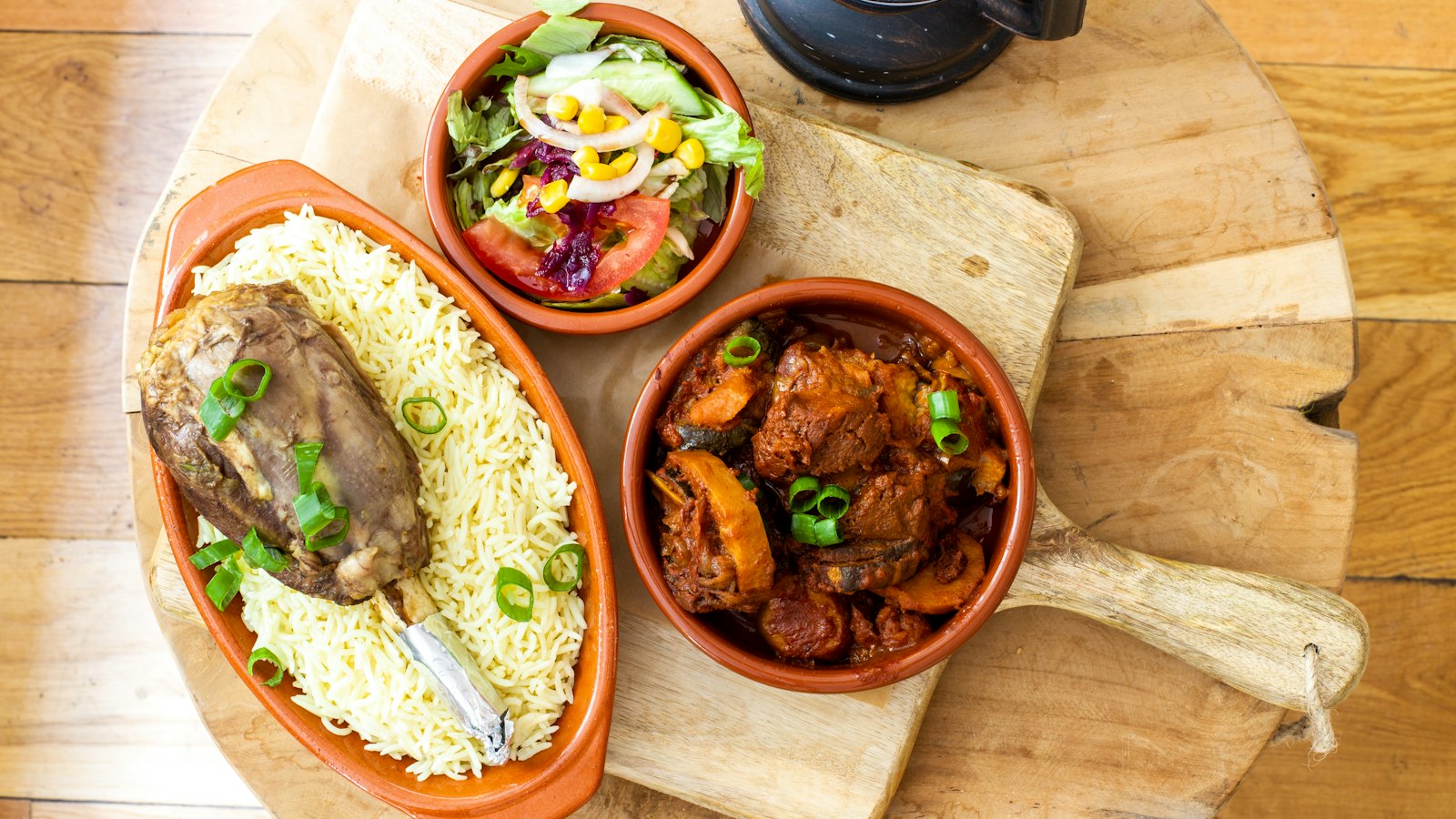
Uganda is blessed with some of the most fertile land in Africa. Our markets overflow with matooke, sweet potatoes, cassava, beans, groundnuts, greens, fruits and fish. Yet many Ugandans struggle with poor diets: some don't get enough nutrients, while others, especially in towns, are eating more fried snacks, sugary drinks and processed foods than ever. Lifestyle related conditions are rising as a result.
Eating well in Uganda does not require imported "superfoods" or expensive diets. It starts with understanding how to combine the foods we already know. This guide explains how to build balanced, affordable meals with local foods. It is general information. If you have a medical condition, talk to a doctor or a qualified nutritionist about your specific needs.
The balanced plate, Ugandan style
A simple way to think about a healthy meal is to divide your plate:
- About half: vegetables and fruit. Dodo (amaranth), nakati, sukuma wiki, cabbage, eggplant, tomatoes, carrots, pumpkin leaves, avocado, plus fruit after or between meals.
- About a quarter: protein. Beans, peas, groundnuts, simsim, fish (tilapia, mukene, Nile perch), eggs, chicken, lean meat and milk.
- About a quarter: energy foods. Matooke, sweet potatoes, cassava, millet, sorghum, maize meal (posho), rice or Irish potatoes.
Many Ugandan meals are the opposite: a mountain of starch with a small amount of sauce and few vegetables. Simply adding greens and reducing the starch portion makes a big difference.
Ugandan foods worth eating more often
Beans and groundnuts
Affordable sources of protein and fibre. Groundnut sauce (binyebwa) also provides healthy fats. Combining beans with millet, posho or rice gives good quality protein.
Dark green leafy vegetables
Dodo, nakati, bugga, ejjobyo and pumpkin leaves are rich in iron, folate and vitamins. Cook them lightly to keep nutrients.
Millet and sorghum
Traditional grains with more fibre and minerals than refined flour. Millet porridge with little or no sugar is a strong breakfast option.
Orange fleshed sweet potatoes and pumpkin
Rich in vitamin A, which supports eyesight and immunity.
Small fish (mukene)
Dried silverfish is affordable and provides protein and calcium, because you eat the bones.
Fruits
Pawpaw, pineapple, mangoes, jackfruit, oranges, passion fruit and bananas are seasonal and cheap. Eat whole fruit rather than sugary juice.
Foods and habits to cut back on
- Sugary drinks: sodas, sweetened juices and energy drinks add a lot of sugar with no fullness.
- Too much sugar in tea and porridge: reduce slowly so your taste adjusts.
- Deep fried foods: chips, fried chicken, samosas and mandazi are fine occasionally but not daily.
- Excess salt: high salt intake contributes to high blood pressure. Taste before adding salt and limit stock cubes.
- Reused cooking oil: oil heated many times can form harmful compounds. Use less oil and change it regularly.
- Alcohol: keep it moderate or avoid it.
Sample day of balanced Ugandan meals
Breakfast
Millet porridge with little or no sugar, a boiled egg or groundnuts, and a banana or pawpaw.
Lunch
A modest portion of matooke or sweet potatoes, beans or fish, a generous serving of dodo or cabbage, and avocado.
Snack
Roasted groundnuts, a fruit, or yoghurt without added sugar.
Supper
A small portion of rice or posho, chicken or bean stew, vegetables, and water to drink.
Eating well on a budget
- Buy seasonal fruit and vegetables, which are cheaper and fresher
- Use beans, peas and groundnuts as main protein most days
- Grow greens in a small garden, sacks or containers
- Plan meals for the week to avoid expensive impulse snacks
- Cook at home more often and carry lunch to work
Special groups
Children
Exclusive breastfeeding is recommended for the first six months unless a health worker advises otherwise. From six months, add soft family foods enriched with groundnut paste, mashed beans, eggs, fish powder and vegetables.
Pregnant and breastfeeding women
Need extra iron, folate, protein and energy. Attend antenatal care for supplements and advice.
Older adults
Often need softer foods rich in protein and calcium, plenty of fluids and regular meals.
Drink enough water
Water is the best drink. Keep a bottle with you, especially in hot weather and when working outdoors. Boil or treat drinking water where safety is uncertain.
Frequently asked questions
Is posho healthy?
Posho provides energy, but refined maize meal has less fibre than whole grains. Eat it in moderate portions with plenty of vegetables and protein, or alternate with millet and sorghum.
Is matooke fattening?
Matooke is a nutritious energy food. Weight gain comes from large portions and rich sauces, not matooke itself.
Should I take supplements?
Most people can meet their needs with a varied diet. Supplements may be needed in pregnancy or for specific conditions, as advised by a health worker.
Get personalised nutrition advice
Every body is different. Book a nutrition and wellness consultant on The Quick Consult for a meal plan that fits your health goals, budget and family.