
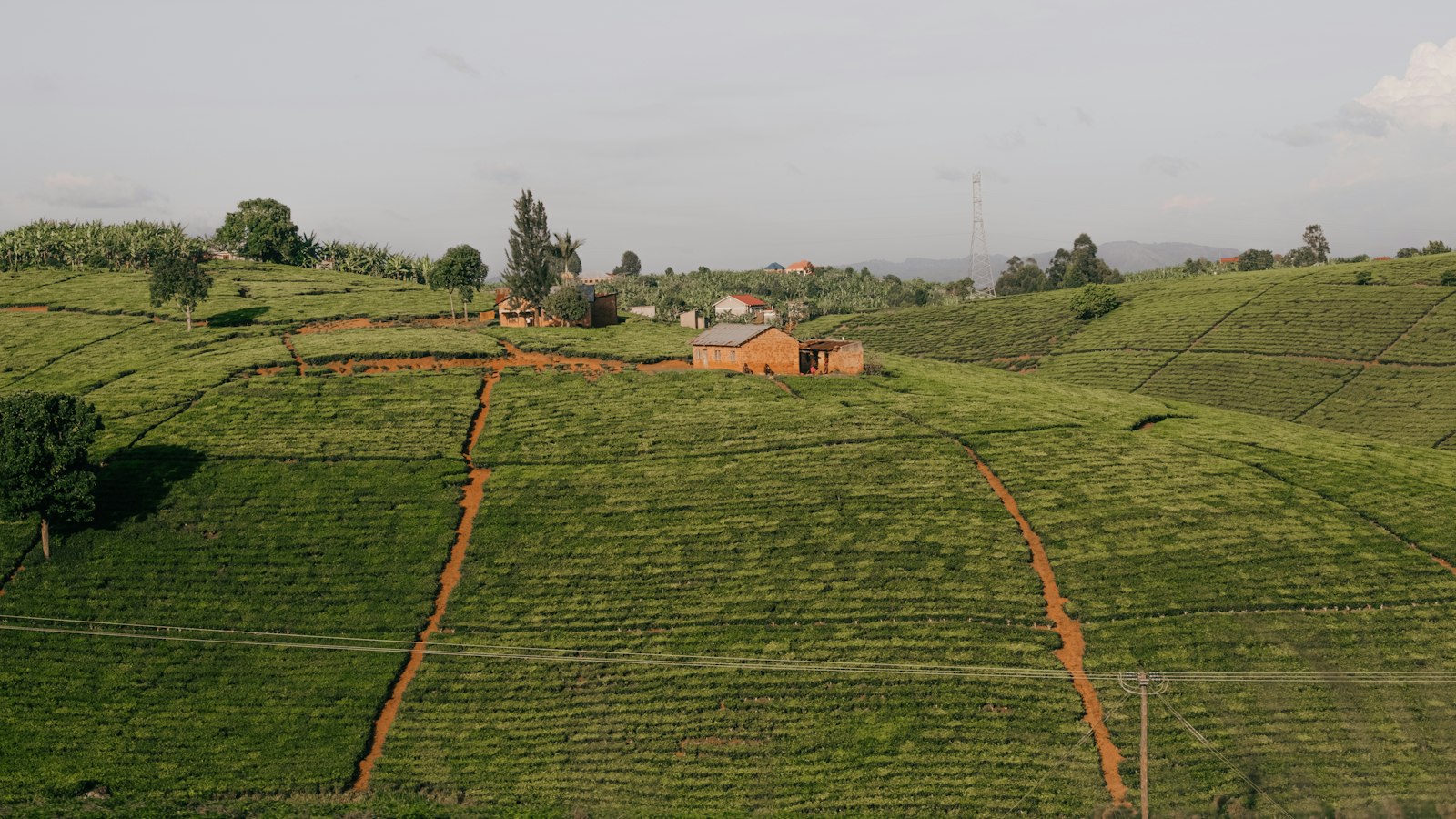
A land title is the strongest proof that you own land in Uganda. Without one, your land is easier to grab, harder to sell and almost impossible to use as security for a bank loan. Yet many Ugandans still hold land without titles, often because the process seems slow, confusing and expensive.
In October 2026, Lands Minister of State Harriet Ntabazi said some landowners had paid more than Shs2.5 million to surveyors and land board officials to process titles, with part of that money never reaching government. She announced reforms to bring costs down. This guide explains those reforms and walks you through the process.
What the government announced in October 2026
- No fees at land committees, district land boards and ministry zonal offices. Officials have been warned against demanding money for their services. Official government fees are paid through URA, not in cash to officers.
- Digital title registration. Applicants can submit data at district level and have titles printed without moving between many offices.
- Registration of surveyors. Surveyors will be registered and listed in the Ministry of Lands database so you can check who you are dealing with.
- Fixing overlapping titles. Upgraded survey, mapping and registration systems, plus satellite and drone data, are meant to reduce double titling.
- Blockchain land records. A blockchain based system is planned to strengthen land records and fight land grabbing.
- Free titles in rural areas. The World Bank funded Systematic Land Adjudication and Certification (SLAAC) programme continues to issue titles to rural landowners in selected districts.
First, know your type of land
Uganda has four land tenure systems, and the process depends on which one applies:
- Customary land: owned under local customs, common in rural areas. You can get a Certificate of Customary Ownership or convert to freehold.
- Freehold: full ownership forever, registered with a freehold title.
- Leasehold: you hold land for a fixed period, often 49 or 99 years, from a landlord such as a district land board or the Uganda Land Commission.
- Mailo: mainly in Buganda, owned forever, often with lawful or bona fide occupants (bibanja holders) on it.
Step by step: converting customary land to freehold
- Apply to the Area Land Committee. Get the application form (often called Form 8 for freehold) from the sub county, district land office or ministry zonal office. Fill it with your details and the land location.
- Public notice and inspection. The Area Land Committee publicises the application, then visits the land with neighbours and local leaders to confirm ownership and boundaries. Anyone with a claim can object.
- Committee report to the District Land Board. If there are no disputes, the committee recommends your application.
- District Land Board approval. The board considers and approves the application, then issues instructions to survey.
- Survey by a registered surveyor. A licensed surveyor marks boundaries with mark stones and prepares the survey data. The survey is checked and approved at the zonal office or Department of Surveys and Mapping.
- Deed plan and registration. A deed plan is produced, and the registrar of titles registers the land and issues your certificate of title.
Getting a title for mailo land or a kibanja
If you buy a piece of land that is part of a larger mailo title, the seller (the registered owner) must sign transfer forms and apply to subdivide the mother title. A surveyor subdivides, new deed plans are made, and a new title is issued in your name. Kibanja holders usually negotiate with the registered owner to buy the owner's interest or agree on a lease before a title can be issued.
How much does a land title cost in Uganda?
Costs vary with land size, location, terrain and the surveyor. The main components are:
- Official government fees: application, registration, deed plan and title fees paid through URA payment registration numbers (PRNs). Always pay these at a bank or mobile money using a PRN and keep receipts.
- Survey fees: the biggest cost. Surveyors charge professional fees based on size and location, often several hundred thousand shillings for a small plot and more for large or remote land. Get a written quotation.
- Mark stones and transport: stones, labour and transport for the survey team.
- Stamp duty and transfer costs: when you buy titled land, stamp duty is generally charged at 1.5 percent of the value assessed by the government valuer, plus registration fees.
- Lawyer fees: optional but highly recommended when buying or transferring land.
Under the October 2026 directive, you should not be paying unofficial "facilitation" to land committees or district land boards. If anyone demands money outside official fees, ask for an official receipt or report to the district or the Ministry of Lands.
How long does it take?
With no disputes and quick surveys, a first title can take a few months. Disputes, missing documents and delays at the board can stretch it to a year or more. Digital registration and the ministry's land information system are meant to shorten this.
Documents you need
- National ID or passport
- Passport photographs
- Proof of ownership or occupation such as a sale agreement, inheritance letters or letters from local leaders
- Application forms from the land office
- Receipts for official fees
- For companies: certificate of incorporation and company resolution
Tips to avoid fraud and delays
- Use a licensed surveyor. Ask for their registration and check with the Ministry of Lands or zonal office.
- Involve neighbours early. Boundary disputes are the most common cause of delay.
- Do a search before buying. Always search a title at the ministry zonal office to confirm the owner and check for caveats or mortgages.
- Pay official fees by PRN only. Avoid cash to individuals.
- Keep copies of everything. Photos of mark stones, survey reports, receipts and correspondence.
- Collect your title in person or through a lawyer you trust, and verify it immediately.
Frequently asked questions
Can I get a land title on customary land without converting?
Yes. You can get a Certificate of Customary Ownership, which is a legal document recognising your rights. Converting to freehold gives you a full title.
Is a sale agreement enough proof of ownership?
No. A sale agreement shows a transaction happened, but only registration and a title in your name give strong legal protection.
Where do I check if a title is genuine?
Do a search at the Ministry of Lands zonal office covering the area or through the national land information system.
Get help from a land lawyer
Land transactions involve large sums and long term consequences. Before you buy, subdivide or title land, book a short consultation with a verified land lawyer or surveyor on The Quick Consult. This guide is general information, not legal advice.