
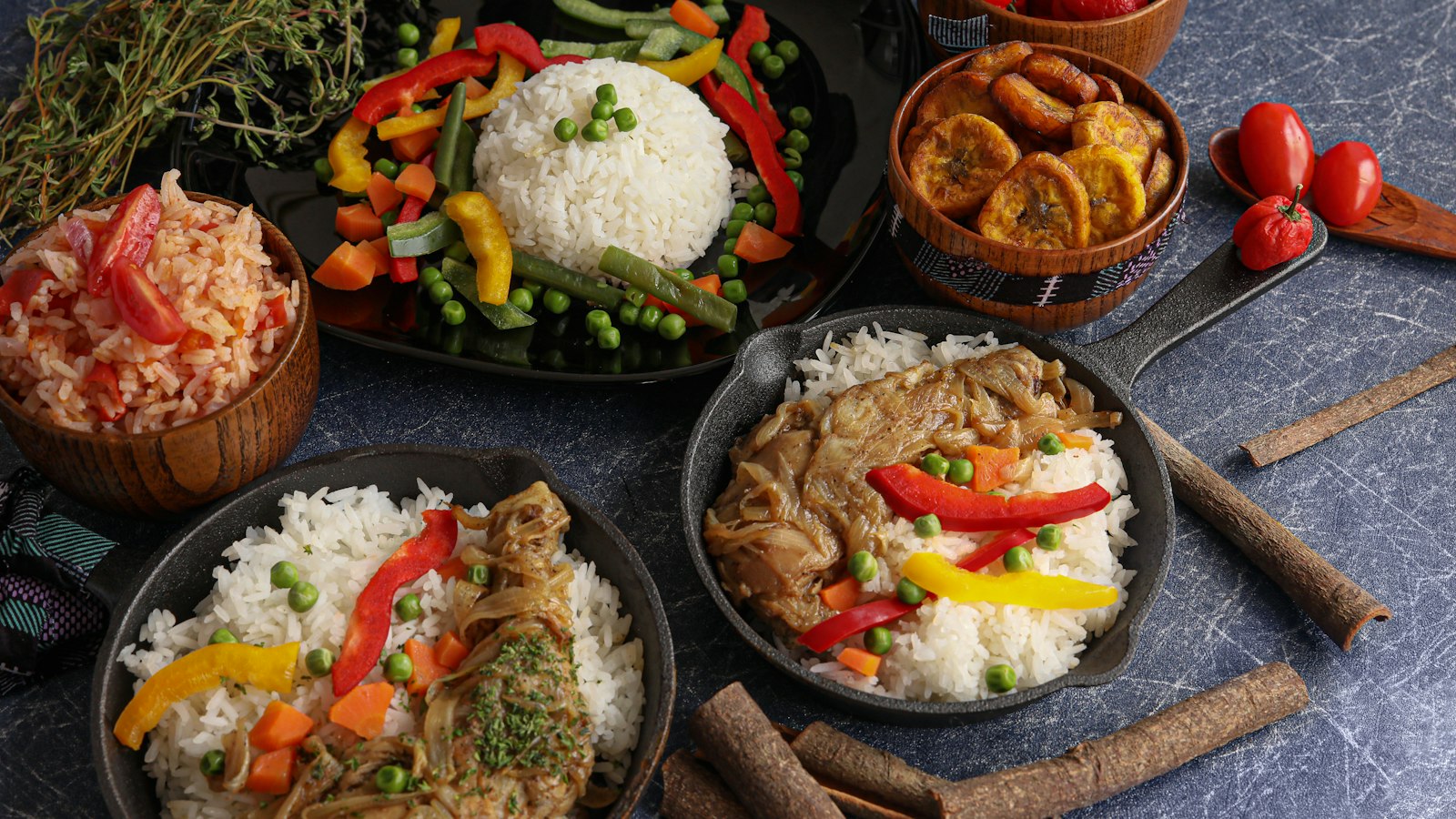
Ugandans love good food, and Kampala's restaurant scene keeps growing. But restaurants are also among the businesses that fail fastest. Plan well and you improve your odds.
Choose your concept
- Local food (katogo, luwombo, pilao, matooke and stews)
- Fast food (chips, chicken, burgers, rolex)
- Cafe and bakery
- Lunch delivery for offices
- Specialty cuisine such as Ethiopian, Indian or vegetarian
Location matters most
Count foot traffic at different times. Near offices you will be busy at lunch; near hostels in the evening; near taxi parks all day. Check parking, water supply, drainage and rent.
Licences and compliance
- Business registration with URSB
- Trading licence from the city or district authority
- Health inspection and food handler medical certificates for staff
- Fire safety compliance
- Tax registration with URA
Startup costs to budget for
Rent deposit, kitchen equipment, gas or charcoal cookers, fridge, furniture, utensils, signage, initial stock, licences and at least three months of operating cash.
Menu and pricing
Keep the menu short and do it well. Cost every dish: ingredients, gas, packaging and labour. Many restaurants aim for food costs around 30 to 35 percent of the selling price.
Staff
Hire a reliable cook first. Train everyone on hygiene and customer service, and use written contracts.
Marketing
Set up a Google Business Profile, post photos on Instagram, TikTok and WhatsApp Status, and list on delivery apps. Loyalty cards and lunch deals build repeat customers.
Frequently asked questions
How much does it cost to start a small restaurant in Kampala?
It depends heavily on location and size. A small local food joint costs far less than a fitted cafe in a mall. Build a detailed budget before signing a lease.
Get expert help in minutes
Every situation is different. If you want advice tailored to your plans, book a short call with a verified expert on The Quick Consult and get clear answers without leaving your home or office.