
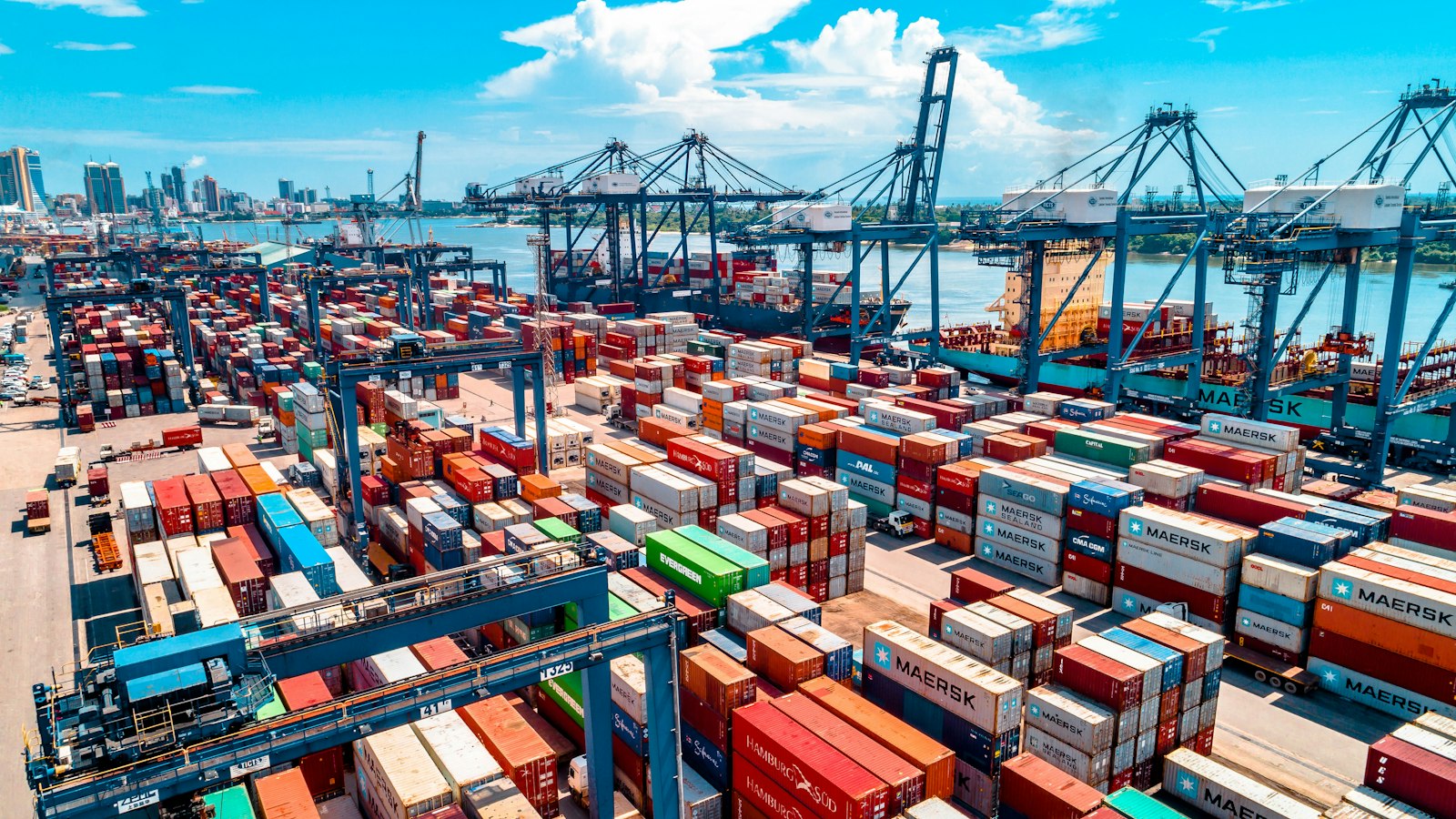
Walk through Kikuubo, Nakasero Market or any electronics arcade in Kampala and much of what you see came from China. Phones, solar panels, clothes, shoes, hair products, building materials and spare parts all make the long trip from Chinese factories to Ugandan shops. Many traders start small, buying a few cartons, and grow into full containers.
Importing can be very profitable, but the margin is easy to lose. Poor suppliers, surprise taxes, port delays and goods that fail Uganda's standards have ruined many first-time importers. This guide walks you through the process, from sourcing to collecting your goods in Kampala.
Step 1: Get your business papers ready
Before you order anything, make sure you can legally import:
- A Tax Identification Number (TIN) from the Uganda Revenue Authority (URA). Every import declaration needs one.
- A registered business with the Uganda Registration Services Bureau (URSB) if you are importing for resale. This also helps with bank payments and supplier trust.
- Any permits your product needs. Some goods need approval before they arrive, for example medicines and medical devices (National Drug Authority), plant and animal products (Ministry of Agriculture, Animal Industry and Fisheries), and some chemicals. Check before you pay a supplier.
Step 2: Find and check a supplier
Most Ugandan importers source through online platforms such as Alibaba and Made-in-China, through trade fairs like the Canton Fair in Guangzhou, or through agents based in Guangzhou and Yiwu.
Protect yourself before paying:
- Order samples first, even if courier costs feel high. A bad sample saves you from a bad container.
- Check how long the supplier has traded and whether they are a real factory or a trading company. Video calls showing the warehouse help.
- Use payment protection where the platform offers it, rather than sending money to a personal account.
- Agree everything in writing: product specifications, quantity, packaging, labelling, delivery date and the Incoterm (FOB or CIF, for example) that says who pays for what.
- Consider a pre-shipment inspection by an independent inspector for larger orders.
Step 3: Check UNBS standards (PVoC)
This is the step many beginners miss. The Uganda National Bureau of Standards (UNBS) runs the Pre-Export Verification of Conformity (PVoC) programme. Many product groups, including electrical and electronic goods, toys, textiles, furniture, chemicals, food, automotive products and used items, must be inspected in the exporting country before shipping.
If your goods pass, the appointed inspection company issues a Certificate of Conformity (CoC), which you need for clearance in Uganda. The inspection fee is a small percentage of the FOB value. Consignments below a set value (USD 2,000 FOB under recent PVoC guidance) may ship without a CoC but can be inspected by UNBS on arrival. Goods that arrive without a required CoC risk penalties, destination inspection, delays or even destruction if they fail.
Check the current list of regulated products, thresholds and appointed inspection agents on the UNBS website before you ship.
Step 4: Choose how to ship
Uganda is landlocked, so most sea cargo lands at Mombasa in Kenya or Dar es Salaam in Tanzania, then moves to Kampala by road (or partly by rail).
- Full container (FCL): a 20ft or 40ft container for your goods alone. Best when you have enough volume.
- Shared container (LCL or consolidation): you pay per cubic metre (CBM) and share space with other importers. Popular with small traders, and many Kampala consolidators offer door-to-door service.
- Air freight to Entebbe: much faster but priced per kilogram. Suits phones, small electronics, samples and urgent stock.
As a rough guide, sea freight from China to Kampala takes around five to six weeks including the inland leg, and air freight about one to two weeks. Freight rates move with global demand. At the time of writing, published forwarder quotes put a 20ft container to Kampala at several thousand US dollars, shared container space at a few hundred dollars per CBM, and air freight at roughly USD 10 to 20 per kg. Always get at least three quotes and ask exactly what is included.
Step 5: Understand the taxes you will pay
Import taxes are calculated on the customs value, which is usually the cost of the goods plus insurance and freight (CIF). The main charges for goods from China are:
- Import duty under the East African Community Common External Tariff: commonly 0% for raw materials and capital goods, 10% for intermediate goods, 25% for finished goods, and 35% or more for some sensitive items such as certain textiles, furniture and steel products.
- VAT at 18%, charged on the customs value plus duty.
- Withholding tax of 6% on the customs value (creditable against income tax for compliant taxpayers).
- Infrastructure levy of 1.5% and an import declaration fee of 1% on goods for home use, under changes that took effect in July 2025.
- Excise duty on some products, such as beverages, cosmetics, cement and some plastics.
Rates change in the national budget each July, so confirm current figures on the URA website or with your clearing agent before you price your goods.
Step 6: Clear your goods with URA
- Hire a licensed clearing agent. Agents lodge your declaration on URA's customs system. Choose one URA has licensed and ask for references.
- Share your documents: commercial invoice, packing list, bill of lading or airway bill, CoC where needed, any permits, and your TIN.
- Pay taxes. Under the Single Customs Territory, taxes for Ugandan cargo are normally assessed and paid in Uganda before the goods leave Mombasa or Dar, which speeds up transit.
- Transit and release. Containers are tracked to Uganda and released at the inland depot or warehouse once checks are complete.
Clearing agent fees, port charges, transport from the port and storage are separate from taxes. Ask for a full landed-cost estimate before you commit.
Common mistakes to avoid
- Under-declaring the value. URA can reassess and add penalties. It is not worth it.
- Ignoring PVoC. Shipping regulated goods without a CoC is one of the most expensive beginner errors.
- Pricing goods before calculating landed cost. Add freight, all taxes, clearing, transport and storage, then set your selling price.
- Paying 100% upfront to a new supplier. Use deposits and balance-on-inspection where possible.
- Leaving goods at the port. Storage and demurrage charges add up daily.
- Importing counterfeit brands. Fake branded goods can be seized and destroyed.
Frequently asked questions
How much money do I need to start importing from China?
Some traders start with a few cartons through a consolidator. Budget for the goods, freight, taxes (often a large share of the value), clearing and transport, plus a buffer for delays.
Is Mombasa or Dar es Salaam better?
Both are used by Ugandan importers. The best choice depends on shipping line schedules, port congestion and your forwarder's network. Ask for quotes and transit times through both.
Do I need a clearing agent?
In practice, yes. URA customs declarations are lodged by licensed agents, and a good agent helps you avoid costly errors.
How long does importing from China take?
Allow for production time plus around five to six weeks for sea freight to Kampala, or one to two weeks by air. Delays at ports and borders are common, so plan ahead.
Can I estimate my taxes before shipping?
Yes. Find your product's HS code, then use URA's published tariff and tax guidance, or ask your clearing agent for a written estimate.
Get expert help
A few mistakes on your first shipment can wipe out your profit. Before you pay a supplier, it helps to talk through your product, HS code, taxes, standards and pricing with someone who knows the system. You can book a verified business adviser or customs expert on The Quick Consult for a short call. Figures here are a guide at the time of writing, so always confirm with URA and UNBS.