
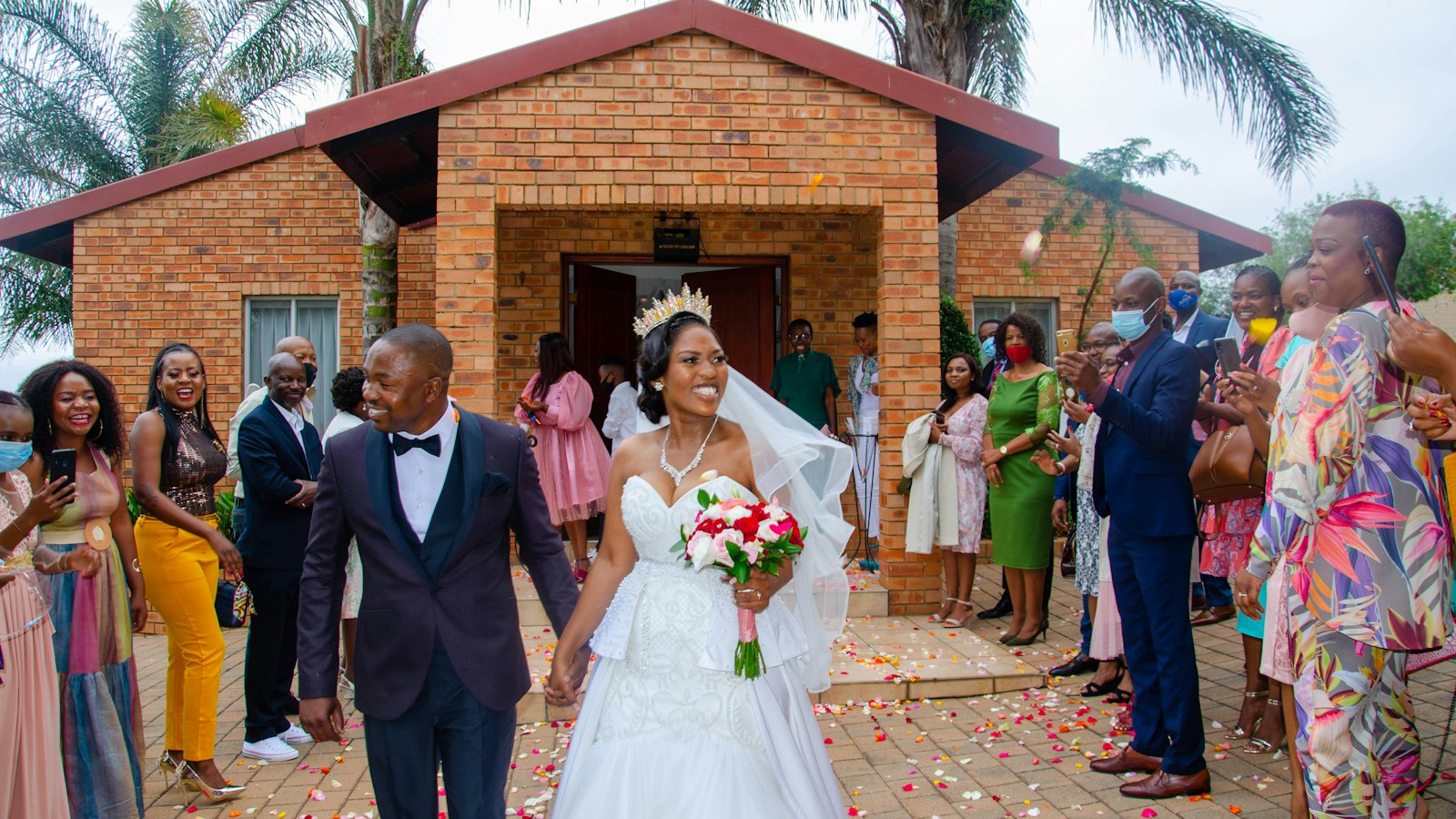
In Uganda, a wedding can be an introduction ceremony in the village, a church service, a nikah at the mosque or a quiet ceremony at the registrar's office. All of these can be valid marriages, but only if they meet the law's requirements and, in many cases, are properly registered.
A marriage certificate matters more than many couples realise. You may need it for a passport or visa, to add a spouse to medical insurance, to claim property or benefits when a spouse dies, or in a divorce. This guide explains the five types of marriage recognised in Uganda and how to register yours.
The five types of marriage in Uganda
Ugandan law recognises five types of marriage, each under its own law:
- Civil marriage, conducted by a registrar under the Marriage Act.
- Church (Christian) marriage, conducted in a licensed place of worship, also under the Marriage Act.
- Customary marriage, following the customs of a Ugandan community, registered under the Customary Marriage (Registration) Act.
- Islamic marriage, under the Marriage and Divorce of Mohammedans Act.
- Hindu marriage, under the Hindu Marriage and Divorce Act.
Civil, church and Hindu marriages are monogamous: one husband and one wife. Customary and Islamic marriages are potentially polygamous. If you are in a civil or church marriage, you cannot legally marry anyone else while that marriage exists.
The Constitution sets 18 years as the minimum age for marriage, and both parties must consent freely. Living together for many years, often called cohabitation, is not a legal marriage in Uganda, no matter how long it lasts.
Civil marriage: step by step
Civil marriages are handled by the Uganda Registration Services Bureau (URSB) and by district registrars, usually the Chief Administrative Officer's office.
Requirements
- Both parties must be at least 18, single and not in an existing marriage.
- National ID or passport for each party.
- An LC1 letter showing you have lived in the district for at least 15 days.
- Passport photos.
- Copies of the IDs of two witnesses.
- Sworn affidavits confirming you are free to marry.
- Foreign nationals: a document from their home country confirming they are single.
The process
- Visit the registrar together for a short interview and fill in the Notice of Marriage form.
- Pay the fees through a payment registration number at a bank or online.
- Wait for the 21-day notice. Your notice is displayed on the registrar's notice board, and URSB also shows notices online, so anyone with a lawful objection can come forward.
- Hold the ceremony after the 21 days but within three months of the notice. Ceremonies take place on weekdays, between 10:00 am and 4:00 pm, with two witnesses present.
- Collect your marriage certificate from the registrar.
At the time of writing, URSB's published fees for Ugandans add up to roughly UGX 80,000 to UGX 260,000, depending on the services you need, with separate dollar fees for foreigners. Confirm current fees with URSB before paying.
Church marriage
A church wedding is legally valid only if it takes place in a place of worship licensed for marriages and is conducted by a recognised minister. Notice is given, often by reading or posting banns, and the church issues a marriage certificate after the ceremony.
The church then sends returns of the marriage to URSB for registration. A marriage conducted in a place that is not licensed cannot be registered and may need to be done again. Before you book, ask your church to confirm that it holds a valid licence and that it files returns with URSB.
Customary marriage
Customary marriages follow the rites of the couple's community, such as the introduction, payment of bride price where it applies, and the giving away ceremony. To register:
- Get the customary marriage application form from the sub-county chief of the area where the marriage took place.
- Fill it in with details of both spouses and witnesses, usually including a parent or guardian, and attach photos and copies of IDs.
- Register within six months of the ceremony. Late registration is possible but costs more.
- Collect the certificate of customary marriage after the fee is paid.
At the time of writing, URSB lists a fee of about UGX 20,000 for a customary marriage certificate and higher fees for late registration. Many customary marriages are never registered, which can cause problems later, especially for widows proving their marriage.
Islamic marriage
An Islamic marriage (nikah) is conducted according to Islamic law, with the consent of both parties, a guardian (wali) for the bride, witnesses and the agreed mahr. The marriage should then be registered with a registrar of Muslim marriages, usually arranged through the mosque or your Imam, soon after the ceremony. Ask your Imam about the registration deadline and keep a copy of the certificate.
Hindu marriage
A Hindu marriage takes place between two Hindus according to their customs and rites. It is monogamous and should be registered with the registrar as required under the Hindu Marriage and Divorce Act.
Special licence and objections
If you cannot wait 21 days for a civil or church marriage, for example because one of you must travel, you can apply in writing for a special licence, which is granted by the Minister. You need to give a strong reason.
Anyone who knows of a lawful reason why a marriage should not go ahead, such as an existing marriage, can lodge a caveat with the registrar during the notice period. The registrar then looks into it before the ceremony can proceed.
Common mistakes to avoid
- Assuming the church will "sort everything". Confirm the place of worship is licensed and that returns are filed with URSB.
- Never registering a customary marriage. Without a certificate, proving your marriage after a death or separation can be hard.
- Marrying someone who is already in a civil or church marriage. The second marriage is void and bigamy is a criminal offence.
- Losing your certificate. Keep the original safe, make copies and store a scan.
- Using different names on documents. Make sure the names on your IDs, affidavits and forms match.
Frequently asked questions
Which type of marriage is the most "legal" in Uganda?
All five types are legal if they meet the requirements of their law. What differs is whether the marriage is monogamous or potentially polygamous, and how it is registered.
Can we convert our customary marriage into a church or civil marriage?
Generally yes. A couple married to each other under customary law can later go through a civil or church marriage together, which makes the marriage monogamous. This is not possible if either spouse has another wife or husband.
How do I check if a marriage is registered?
Contact URSB or the district registrar where the marriage was registered. URSB also publishes notices of intended civil marriages, which can help you spot existing plans.
What if I lose my marriage certificate?
Apply to URSB or the registrar who registered the marriage for a certified copy. You will usually need your IDs, the marriage details and a fee.
Is an introduction ceremony (such as kwanjula) enough to be legally married?
An introduction or give-away ceremony can form part of a valid customary marriage if it follows the community's customs. You should still register it with the sub-county chief to get a certificate.
Talk to an expert
This article is general information, not legal advice. Every family situation is different, especially where property, foreign spouses or an earlier marriage are involved, so book a verified family lawyer on The Quick Consult for a short call to understand your options before you marry or register.