
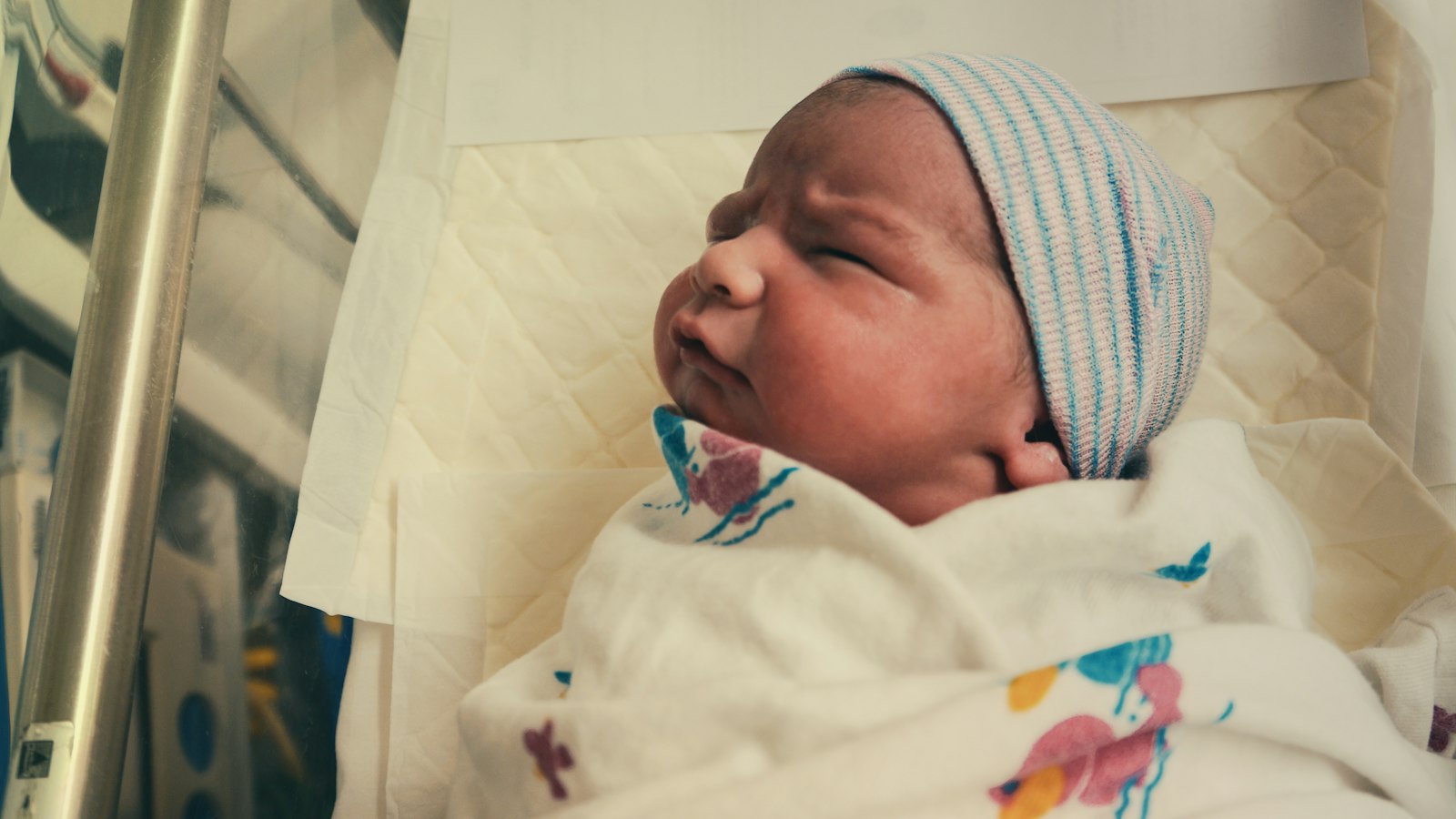
Many newborn babies develop jaundice, a yellow colour of the skin and the whites of the eyes, in the first week of life. In most babies it is mild and goes away on its own. But in some, bilirubin, the substance that causes yellowing, rises to levels that can damage the brain. Knowing the danger signs helps parents get treatment in time.
Why newborns get jaundice
Babies are born with many red blood cells, which break down after birth and release bilirubin. A newborn's liver is still immature and cannot clear bilirubin quickly, so it builds up. This is called physiological jaundice and usually appears on day 2 or 3 and fades within 1 to 2 weeks.
Other causes that need attention
- Blood group incompatibility between mother and baby (ABO or Rhesus)
- G6PD deficiency, an inherited condition that is relatively common in some African populations
- Infection (sepsis)
- Prematurity
- Poor feeding and dehydration
- Bruising from a difficult delivery
- Liver or bile duct problems, especially if jaundice lasts longer than two weeks with pale stools
How to check for jaundice on dark skin
Jaundice can be harder to see on darker skin. Check in good natural daylight:
- Look at the whites of the eyes.
- Look at the gums and inside of the mouth.
- Gently press the skin on the nose or chest for a second and look at the colour as you release.
- Check the palms and soles; yellow palms and soles suggest higher levels.
Jaundice usually spreads from the head downward. Yellowing that reaches the belly, legs, palms or soles needs prompt assessment.
Danger signs: go to a health facility urgently
- Jaundice in the first 24 hours after birth
- Yellow palms and soles
- Baby is very sleepy, hard to wake or not feeding well
- High pitched cry, arching of the back or stiffness
- Fever or low temperature
- Jaundice lasting more than 2 weeks (3 weeks in premature babies)
- Pale, chalky stools or dark urine
- Baby was born premature or small
How jaundice is tested
Health workers may use a skin meter (transcutaneous bilirubinometer) or a blood test to measure bilirubin. Results are compared with charts based on the baby's age in hours and risk factors.
Treatment
- Frequent feeding: breastfeeding 8 to 12 times a day helps babies pass bilirubin in stools.
- Phototherapy: special blue light that breaks down bilirubin in the skin. It is safe and effective, and the baby's eyes are covered during treatment.
- Exchange transfusion: for very high levels that do not respond to phototherapy, done in specialised units.
- Treating the cause, such as infection.
Is sunlight enough?
Many families place jaundiced babies in the sun. Sunlight can slightly reduce mild jaundice, but it is not a safe substitute for medical assessment and phototherapy. Babies can get sunburnt or overheated, and dangerous jaundice can be missed. Always have a yellow baby checked.
Myths to avoid
- Do not give glucose water or herbal mixtures. They do not treat jaundice and may reduce breastfeeding.
- Do not stop breastfeeding unless a health worker advises.
- Do not delay hospital visits waiting for jaundice to "go by itself".
Prevention and follow up
- Start breastfeeding within the first hour after birth.
- Attend postnatal checks, ideally within the first few days after discharge.
- Know your blood group during antenatal care.
- Keep checking the baby's colour daily during the first two weeks.
Talk to a health professional
If you are unsure about your baby's colour or feeding, book a quick video consultation with a verified paediatric or health professional on The Quick Consult. If you see danger signs, go to the nearest hospital immediately. This article is general information, not a substitute for medical care.