
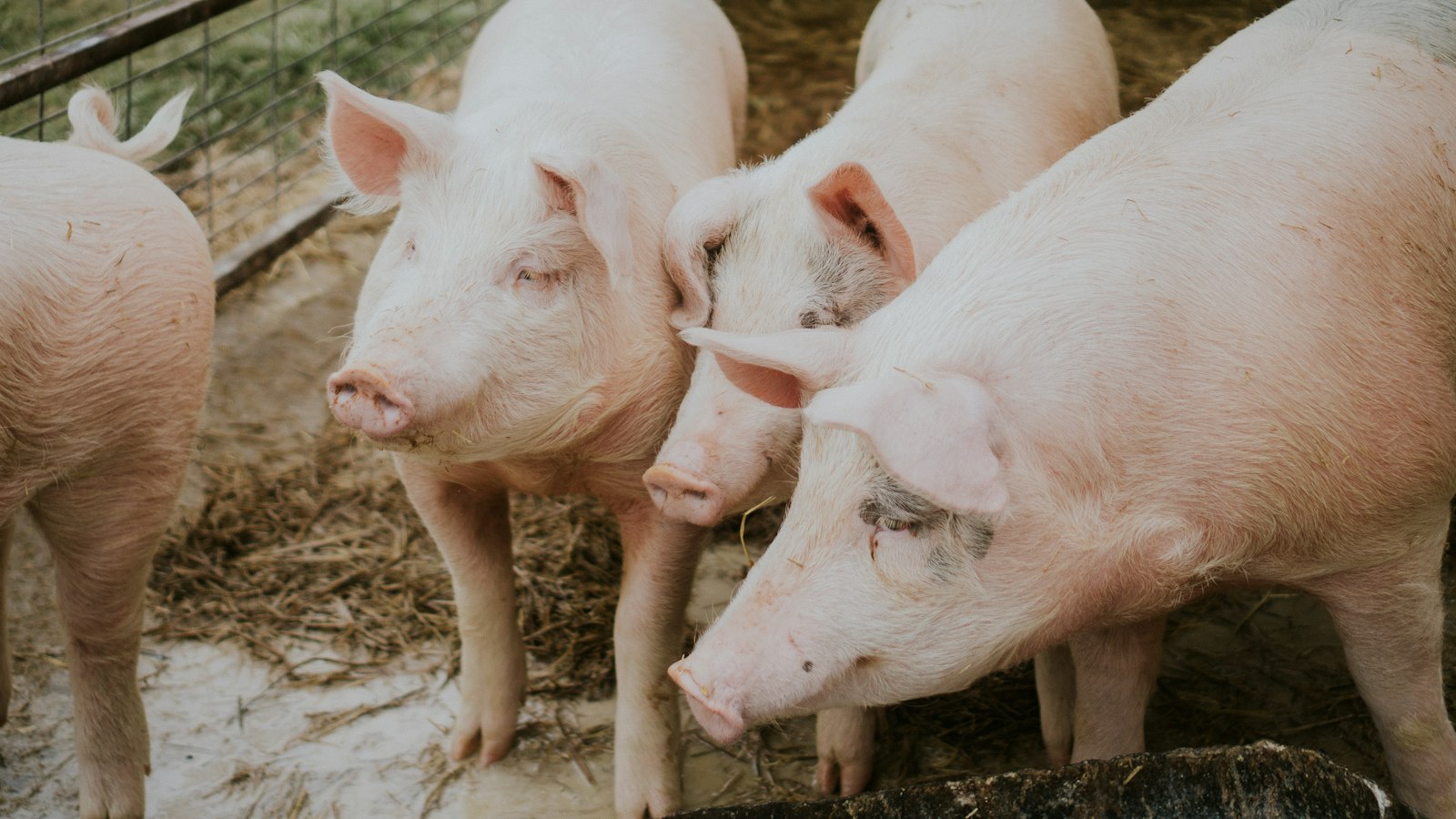
Pork is one of the most popular meats in Uganda. From roadside pork joints in Kampala to weddings and village celebrations, demand for pork has grown steadily, and Ugandans are among the biggest pork eaters in sub-Saharan Africa. Pigs also grow fast, have large litters and can eat many farm by-products, which makes piggery attractive to people with limited land.
But piggery is not easy money. Many beginners lose their whole herd to African swine fever (ASF), poor feeding or bad housing. This guide covers the basics you need before you buy your first piglets: breeds, housing, feeding, costs, selling and, most importantly, how to protect your pigs from ASF.
Choosing a breed
Most commercial farmers in Uganda keep exotic breeds or crosses because they grow faster and give more meat. Common choices include:
- Large White: a hardy, fast growing breed and a good mother with large litters.
- Landrace: long bodied, good for lean meat and bacon, often crossed with Large White.
- Camborough and other hybrids: improved crosses sold by some breeders for fast growth and good litter sizes.
- Duroc and Pietrain: often used as boars to improve meat quality in crosses.
- Local breeds: slower growing but tough and able to survive on poorer feed. Crossing local sows with exotic boars is a common middle path.
Buy from a known, reputable breeder and ask for vaccination and health history. Avoid buying piglets from markets or roadside sellers, because this is one of the easiest ways to bring ASF onto your farm.
Housing your pigs
Good housing keeps pigs healthy, clean and secure. You do not need an expensive structure, but you do need a well planned one.
- Floor: a concrete floor with a slight slope for drainage is easiest to clean. Some farmers use the deep litter system with wood shavings or coffee husks, which reduces washing and smell.
- Space: a growing pig needs roughly 1 square metre, and a sow with piglets needs much more, usually a farrowing pen of around 6 to 8 square metres.
- Roof and walls: keep pigs dry and shaded. Pigs cannot sweat and suffer in heat. Allow good air flow.
- Separate pens: for boars, sows due to give birth, weaners and fatteners.
- Fence and gate: a solid fence keeps pigs in and stray pigs, dogs and visitors out.
- Water: pigs drink a lot. Plan for clean water every day.
Feeding: the biggest cost
Feed usually makes up the largest share of running costs in piggery, often well over half. Pigs need different feeds at different stages:
- Creep feed: for piglets from about one week old until weaning, high in protein.
- Weaner or starter feed: after weaning, usually at about 6 to 8 weeks.
- Grower and finisher feed: as pigs grow towards market weight.
- Sow and boar feed: for breeding animals, with extra for sows that are nursing.
Many Ugandan farmers mix their own feed using maize bran, rice bran, cassava, soya, fish meal (mukene), sunflower or cotton seed cake, plus a mineral and vitamin premix. Home mixing can cut costs, but get a formula from a veterinary or animal nutrition expert so your pigs get enough protein. Supplements such as sweet potato vines, yam leaves and vegetable waste help, but should not replace a balanced ration.
Do not feed raw kitchen leftovers or swill containing pork. Swill can carry ASF. If you use food waste, it must be thoroughly boiled, and many experts advise avoiding it altogether.
What does it cost to start?
Costs vary a lot by location, breed and scale. As a rough guide at the time of writing, a beginner might plan for:
- Weaned piglets: often in the range of UGX 80,000 to 200,000 each, depending on breed, age and the breeder.
- Housing: from a few hundred thousand shillings for a simple timber and iron sheet unit, to several million for a concrete, multi pen house.
- Feed: commercial feeds are sold per kg or per 50 kg bag and prices move with maize and soya prices. Get current quotes from local feed suppliers.
- Vet care: deworming, iron injections for piglets, treatment of mange and lice, and vet visits.
- Water, disinfectant, footbaths and labour.
Prices change often, so visit two or three farms and feed shops near you to build a realistic budget. Starting small, for example with two or three sows or a batch of fatteners, lets you learn before you scale up.
Finding a market
Most pigs are sold live to traders and butchers, usually priced per kg live weight or by estimate. Other options include:
- Pork joints and butcheries in your area
- Abattoirs and processors, some of which buy on contract
- Selling weaned piglets to other farmers
- Seasonal demand around Christmas, Easter and the end of year
Weigh your pigs where you can, or use a weighing band, so you are not cheated by traders who estimate low. Fatteners are commonly sold at around 6 to 8 months, depending on breed and feeding.
Preventing African swine fever
ASF is a deadly viral disease with no vaccine and no cure. It can wipe out a whole farm within days, and outbreaks happen regularly in Uganda. Prevention is your only protection. Key biosecurity measures include:
- Control visitors. Do not let people walk into pens, especially traders, butchers and other pig farmers.
- Footbaths and farm clothing. Keep a disinfectant footbath at the entrance and separate boots and overalls for farm work.
- Fence the farm so free roaming pigs and other animals cannot get in.
- Quarantine new pigs for at least two weeks before mixing them with your herd.
- No swill feeding and no pork products near the pens.
- Do not share equipment, boars or transport with other farms without cleaning and disinfecting.
- Report sudden deaths to your district veterinary officer quickly. Signs can include high fever, loss of appetite, reddish or bluish skin and sudden death.
- Never sell or eat pigs that died suddenly, and follow vet advice on safe disposal.
Common mistakes to avoid
- Buying cheap piglets from markets with unknown health history.
- Underestimating feed costs and running out of money halfway through.
- Keeping too many pigs in too small a space.
- Skipping record keeping on births, feed, weights, treatments and sales.
- Waiting too long to call a vet when pigs fall sick.
- Starting without knowing who will buy your pigs.
Frequently asked questions
How many piglets does a sow have?
A well managed exotic sow commonly has around 8 to 12 piglets per litter, and can farrow about twice a year. Local breeds usually have fewer.
How long before pigs are ready for market?
With good feeding, many fatteners reach market weight at about six to eight months. Poor feeding can stretch this much longer.
Is there a vaccine for African swine fever?
At the time of writing, there is no approved ASF vaccine in use in Uganda. Strict biosecurity remains the main protection. Ask your district veterinary office for current guidance.
Can I keep pigs in town?
Many urban authorities have rules on keeping livestock because of smell, waste and disease. Check with your local council before you start.
Should I mix my own feed?
It can lower costs, but only if you follow a balanced formula and source good quality ingredients. Poor home mixes are a common reason pigs grow slowly.
Get advice from an expert
Before you invest in housing and stock, a short call with someone who knows the sector can help you plan a realistic budget, pick the right breed and set up biosecurity from day one. You can book a verified agribusiness adviser on The Quick Consult to review your plan. For sick animals, always contact a qualified veterinary officer.