
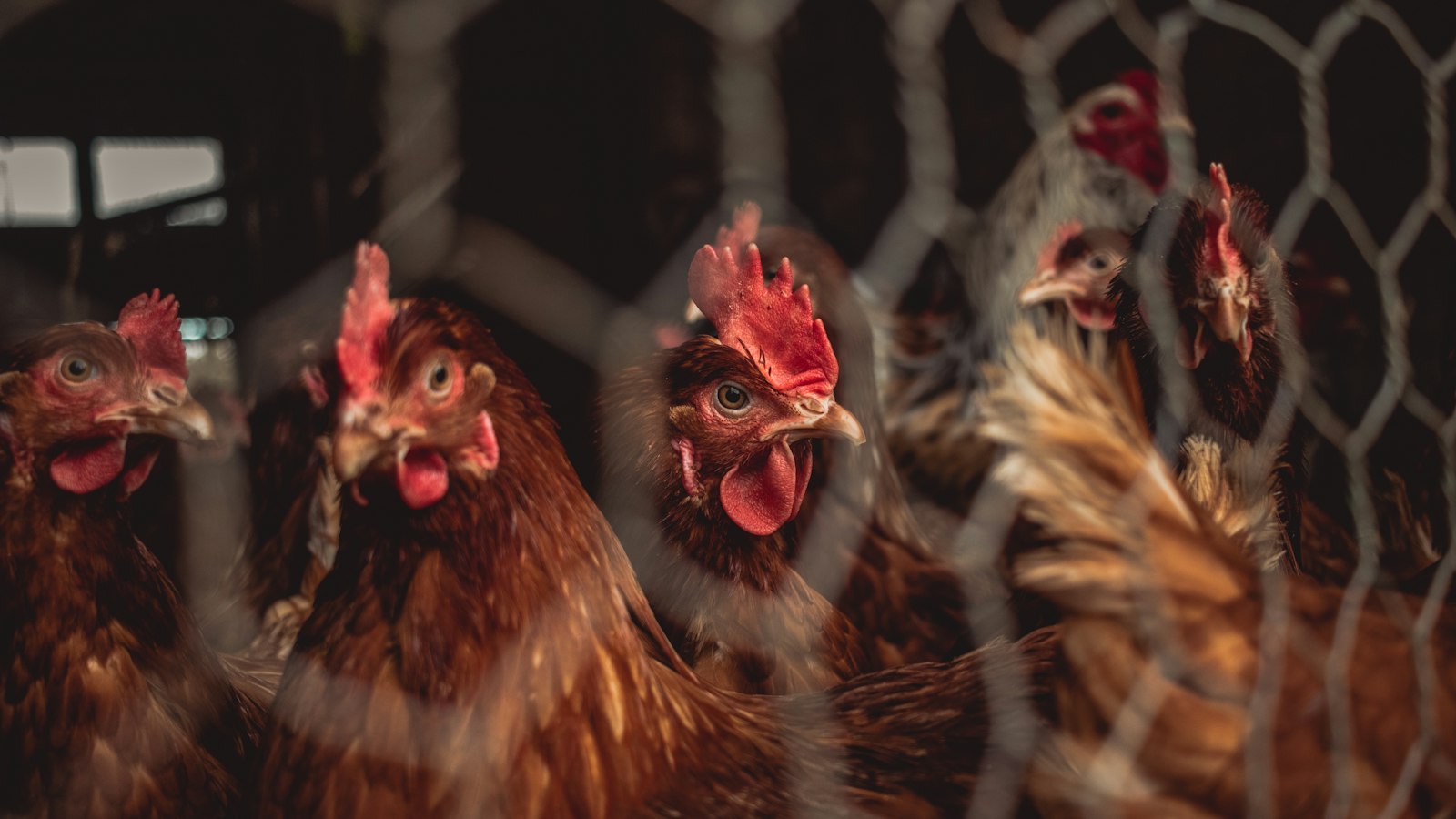
Poultry farming is one of the most popular agribusinesses in Uganda, and for good reason. Demand for eggs and chicken keeps growing as towns expand, hotels and restaurants multiply and households look for affordable protein. A well run poultry project can start on a small piece of land, produce income within weeks for broilers or months for layers, and grow step by step.
But poultry is also a business where many beginners lose money. Disease outbreaks, poor quality feed, bad housing and weak marketing wipe out flocks every season. This guide explains how to start poultry farming in Uganda the right way, from choosing your birds to selling your produce.
Step 1: Decide which type of poultry to keep
Layers (egg production)
Layers are kept for eggs. Point of lay usually starts at around 18 to 20 weeks, and a good layer can produce eggs almost daily for more than a year. Layers offer steady, regular income but require patience and more capital before the first tray is sold.
Broilers (meat production)
Broilers grow fast and can reach market weight in about five to six weeks. This gives quick turnover, but margins are tight and depend heavily on feed prices and having buyers ready on the day your birds are ready. Keeping broilers too long eats into profit.
Kuroilers and improved local breeds
Kuroilers and similar improved breeds are popular in rural Uganda because they are hardy, can scavenge, produce both meat and eggs, and fetch good prices from customers who prefer the taste of local chicken. They suit farmers with limited capital and free range or semi intensive systems.
Local chicken
Indigenous chicken need little input but grow slowly and lay few eggs. They are best as a side activity rather than a main business.
Step 2: Do your market research first
Before you buy a single chick, answer these questions:
- Who will buy your eggs or birds? Households, shops, hotels, schools, restaurants or traders?
- What price are they paying now, and how often do they buy?
- When are demand peaks? Festive seasons such as Christmas, Easter and Eid raise demand for chicken.
- Who are the other suppliers in your area and what are they doing wrong?
Many successful farmers secure a few regular buyers before they scale. A standing arrangement with a school or hotel gives you a predictable outlet.
Step 3: Build proper housing
Good housing prevents disease and losses. Your poultry house should:
- Run east to west so that direct sun does not shine into the house all day
- Have good ventilation with wire mesh on the sides and curtains for cold nights
- Keep out predators, rats and wild birds
- Provide enough space, because overcrowding causes stress, pecking and disease
- Have a dry floor with clean litter such as wood shavings or coffee husks
- Include a footbath with disinfectant at the entrance
Layers also need nesting boxes or cages, and all birds need feeders and drinkers that are cleaned regularly.
Step 4: Buy quality chicks from trusted hatcheries
Poor quality chicks are one of the biggest causes of failure. Buy from reputable hatcheries with a track record, ask other farmers for recommendations and check that chicks are active, alert and uniform in size. Prepare the brooder before the chicks arrive so it is warm, dry and has clean water ready.
Step 5: Brooding in the first weeks
The first two to four weeks determine how well your flock will perform. Chicks need warmth from charcoal stoves, lamps or gas brooders, clean water and starter feed. Watch their behaviour. Chicks huddled under the heat source are cold. Chicks pushed to the edges are too hot. Evenly spread chicks are comfortable.
Step 6: Feeding
Feed is usually the largest cost in poultry farming. Use the right feed for each stage: chick mash, growers mash and layers mash for layers; starter and finisher for broilers. Buy from trusted feed manufacturers, because poor feed quality is a common complaint among Ugandan farmers. Some farmers mix their own feed to cut costs, but this requires good knowledge of ingredients and consistent quality control.
Step 7: Vaccination and biosecurity
Disease prevention is cheaper than treatment. Work with a veterinary officer to set a vaccination schedule. Common vaccinations in Uganda include Newcastle disease, Gumboro, Marek's disease and fowl pox, among others. Biosecurity matters as much as vaccines:
- Limit visitors to your poultry house
- Use footbaths and change clothes before entering
- Avoid mixing birds of different ages where possible
- Remove and safely dispose of dead birds immediately
- Clean and disinfect houses between batches
Step 8: Keep records
Record chicks bought, feed used, vaccinations, deaths, eggs collected and sales. Records show whether you are making money and help you spot problems early, such as a sudden drop in egg production or rising mortality. Banks and SACCOs also ask for records when you apply for a loan to expand.
Step 9: Plan your costs
Your budget should include housing, equipment, chicks, feed, vaccines and drugs, labour, transport, water and lighting. Feed costs dominate, so get current prices from local suppliers when planning. Keep a reserve for emergencies. Many farmers run out of cash for feed just before their birds become productive.
Step 10: Sell smartly
- Grade eggs and sell clean, uncracked trays
- Build relationships with shops, hotels and restaurants
- Use WhatsApp Business and Facebook to reach households in your area
- Sell spent layers at the end of their laying period
- Sell chicken manure as fertiliser to crop farmers
Common mistakes to avoid
- Starting too big without experience
- Skipping vaccinations to save money
- Buying cheap chicks from unknown sources
- Ignoring records
- Producing without confirmed buyers
Frequently asked questions
Which is more profitable in Uganda, layers or broilers?
Both can be profitable. Layers give steady income over a long period, while broilers give fast turnover. The better choice depends on your capital, your market and how much time you can commit.
How many chickens should a beginner start with?
Many advisers suggest starting with a manageable batch of a few hundred birds, learning the system and expanding once you are confident.
Can I get a loan for poultry farming?
Yes. SACCOs, microfinance institutions, banks and government programmes support agribusiness. A clear business plan and good records improve your chances.
Talk to an agribusiness expert
Before you invest, book a short call with a business consultant on The Quick Consult to review your plan, budget and market. You may also like our guide to business ideas in Uganda with small capital.