
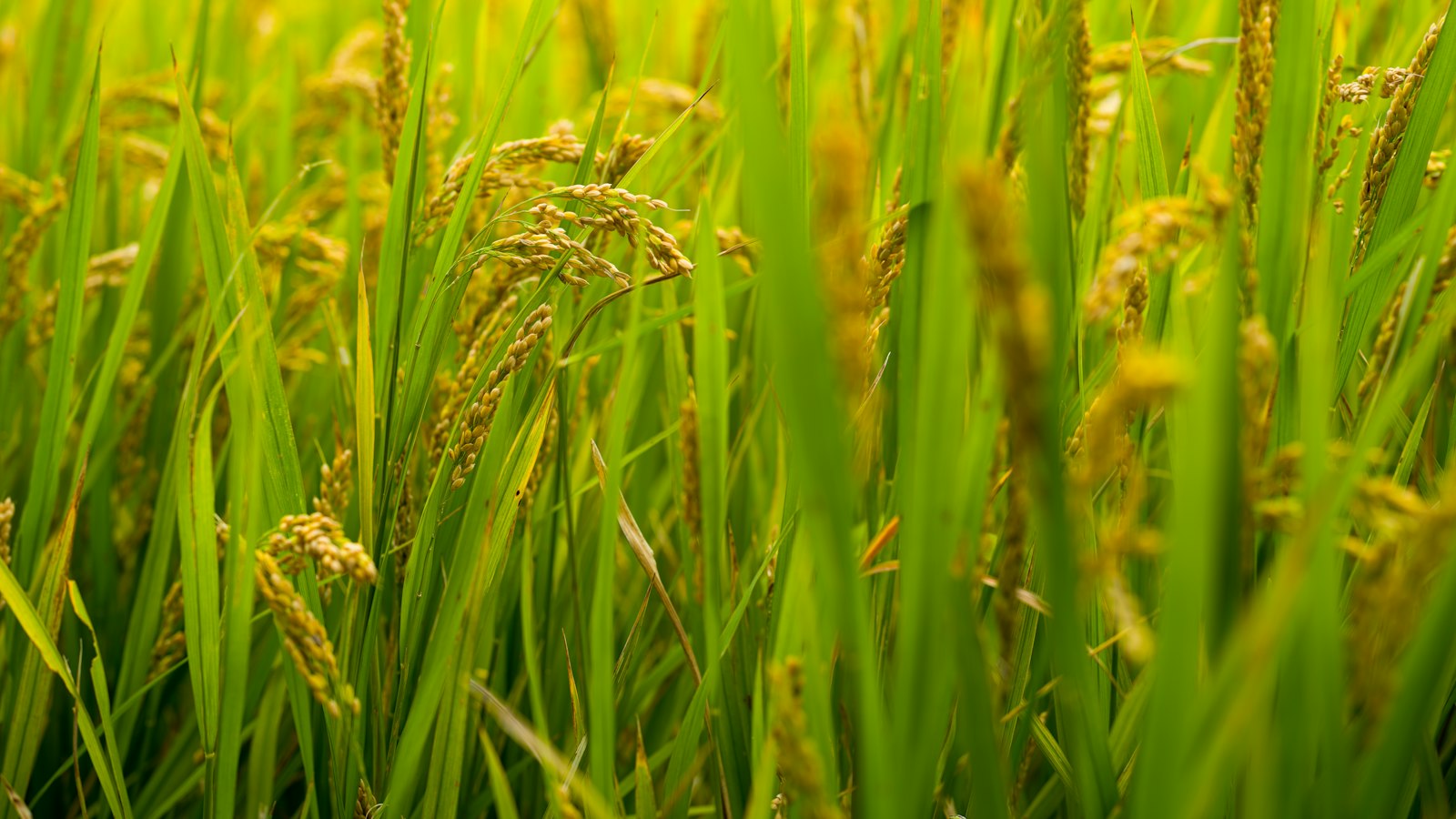
Rice has become a daily food in Ugandan homes, schools and restaurants, and demand keeps growing faster than local production. Farmers in eastern Uganda (Butaleja, Bugiri, Pallisa, Tororo), the north (Lira, Amolatar, Gulu) and parts of the west and central regions have turned rice into a reliable cash crop.
Upland rice vs lowland rice
- Upland rice is grown on dry land like maize, relying on rainfall. It suits many parts of the country and needs less infrastructure.
- Lowland (paddy) rice is grown in flooded fields in valleys and irrigation schemes such as Doho, Kibimba and Olweny. It usually yields more but needs water control and bunds.
Avoid converting protected wetlands. Wetland use is regulated, and environmental authorities can stop unauthorised activities.
Popular varieties
- NERICA varieties (such as NERICA 1, 4 and 10): upland, early maturing, widely promoted
- Komboka: high yielding, adapted to both lowland and some upland conditions
- Aromatic lowland varieties such as Kaiso and Supa types, valued in markets
Buy certified seed from reliable dealers or research institutions such as NaCRRI and zonal research institutes.
Land preparation
- Upland: clear, plough and harrow to a fine tilth before the rains. Good preparation reduces weeds.
- Lowland: build bunds, level the field and puddle the soil so it holds water evenly.
Planting
- Timing: plant at the onset of reliable rains for upland rice.
- Upland methods: drilling in rows or dibbling (holes) is better than broadcasting because it eases weeding.
- Lowland methods: raise seedlings in a nursery and transplant at about 2 to 3 weeks, in rows, two to three seedlings per hill.
- Spacing: rows around 20 to 30 cm apart are common, depending on variety and method.
Fertiliser
Rice responds well to nitrogen. Apply a basal fertiliser such as NPK or DAP at planting where soils are poor, then top dress with urea in split doses around tillering and panicle initiation. Get a soil test for best results.
Weed control
Weeds are the biggest yield killer, especially in upland rice. Weed early, usually within the first 3 weeks, and again before canopy closure. Herbicides can be used following label instructions and advice from extension workers.
Water management (lowland)
Keep shallow water after transplanting, maintain levels during growth and drain the field about two weeks before harvest to help ripening and make harvesting easier.
Pests, diseases and birds
- Rice blast: use resistant varieties and avoid excessive nitrogen.
- Rice yellow mottle virus: control weeds and use clean seed.
- Stem borers: monitor and manage with recommended practices.
- Birds (quelea and weaver birds): scare birds from grain filling to harvest with nets, reflective tapes and people guarding fields.
Harvesting and post harvest
- Harvest when about 80 to 85 percent of grains are golden yellow.
- Thresh on tarpaulins, not bare ground, to avoid stones and soil.
- Dry paddy to about 13 to 14 percent moisture before storage or milling.
- Clean and store in clean bags on pallets.
- Mill at good quality mills to reduce broken grains and stones, which increase market value.
Yields and profit
Yields vary with variety, management and water. Well managed lowland rice can produce significantly more per acre than upland rice. Profit depends on yield, input costs and price. Selling clean, well milled and packaged rice brings better prices than selling unprocessed paddy at harvest when prices are lowest.
Markets
- Local traders and millers
- Schools, hospitals and institutions
- Supermarkets with branded packaged rice
- Farmer groups and cooperatives selling in bulk
Frequently asked questions
How long does rice take to mature?
Many upland NERICA varieties mature in about 3 to 4 months. Lowland varieties may take slightly longer depending on variety.
Can I grow rice without a swamp?
Yes. Upland rice varieties are designed for dry land with good rainfall.
Get agronomy advice
Book a short call with a verified agronomist on The Quick Consult to plan varieties, inputs and marketing for your rice farm.