
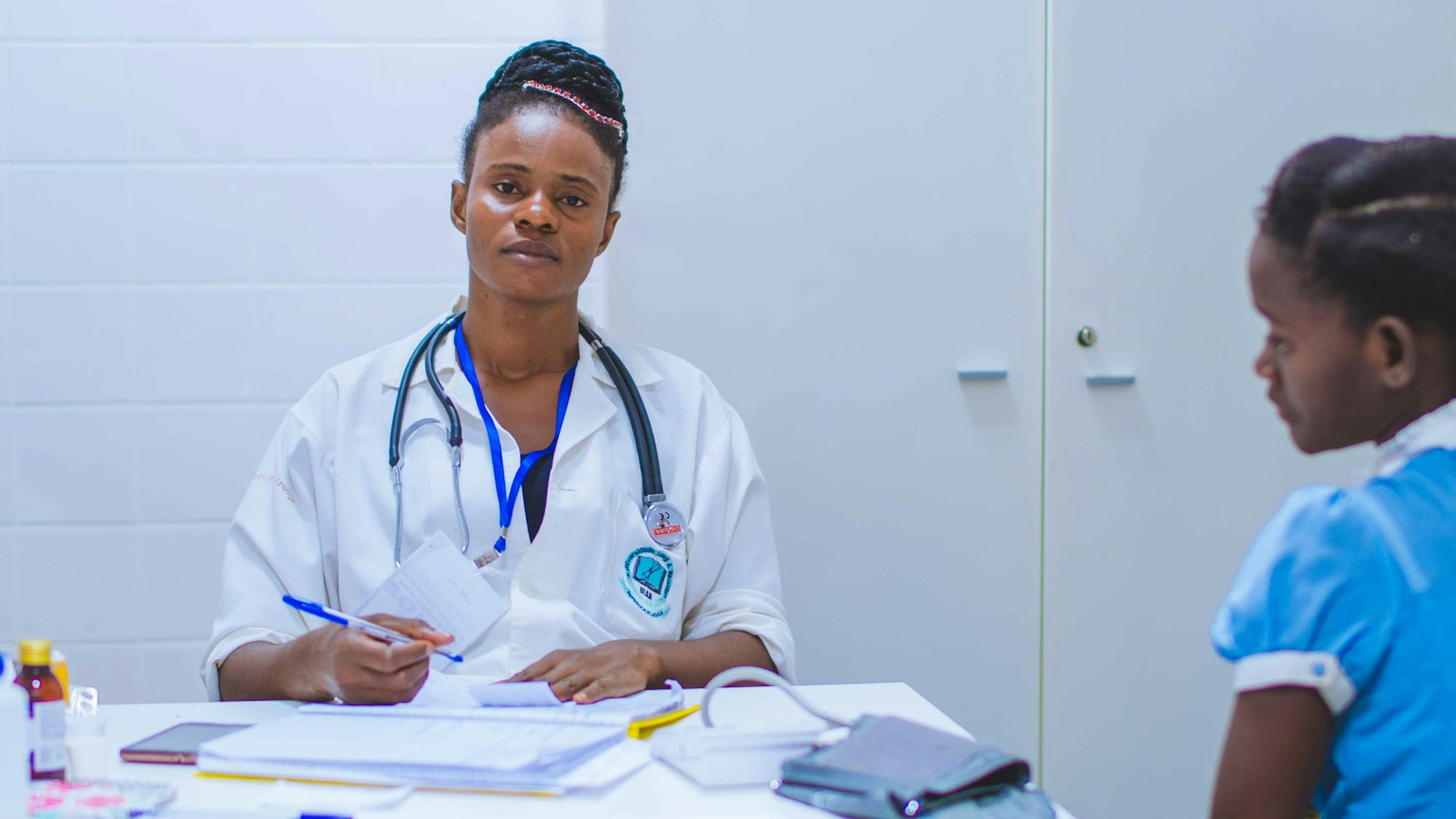
Sickle cell disease (SCD) is an inherited blood disorder in which red blood cells become curved like a sickle. These cells can block blood flow, causing pain and damage to organs. Thousands of babies are born with SCD in Uganda every year.
How it is inherited
A child gets SCD when they inherit a sickle gene from both parents. A person with one sickle gene has the sickle cell trait. They are usually healthy but can pass the gene to their children. When both parents have the trait, each pregnancy has a one in four chance of a child with SCD.
Signs and symptoms
- Painful episodes (crises) in bones, chest or abdomen
- Swelling of hands and feet in young children
- Pale skin and tiredness from anaemia
- Frequent infections
- Yellow eyes
- Delayed growth
Testing
A simple blood test can show whether you have SCD or the trait. Couples planning to marry or have children should know their status. Early diagnosis in babies allows early care.
Care and treatment
- Regular attendance at a sickle cell clinic
- Daily folic acid and malaria prevention as advised
- Vaccinations and antibiotics for infection prevention when prescribed
- Medicines such as hydroxyurea, which can reduce crises
- Plenty of water and avoiding extreme cold
Supporting families
Children with SCD can go to school, play and thrive. Teachers and families should know the warning signs: high fever, severe pain, breathing difficulty or weakness need urgent care.
This article is for general information and does not replace advice from a qualified health worker. If you have symptoms, please see a doctor.
Get expert help in minutes
Every situation is different. If you want advice tailored to your plans, book a short call with a verified expert on The Quick Consult and get clear answers without leaving your home or office.