
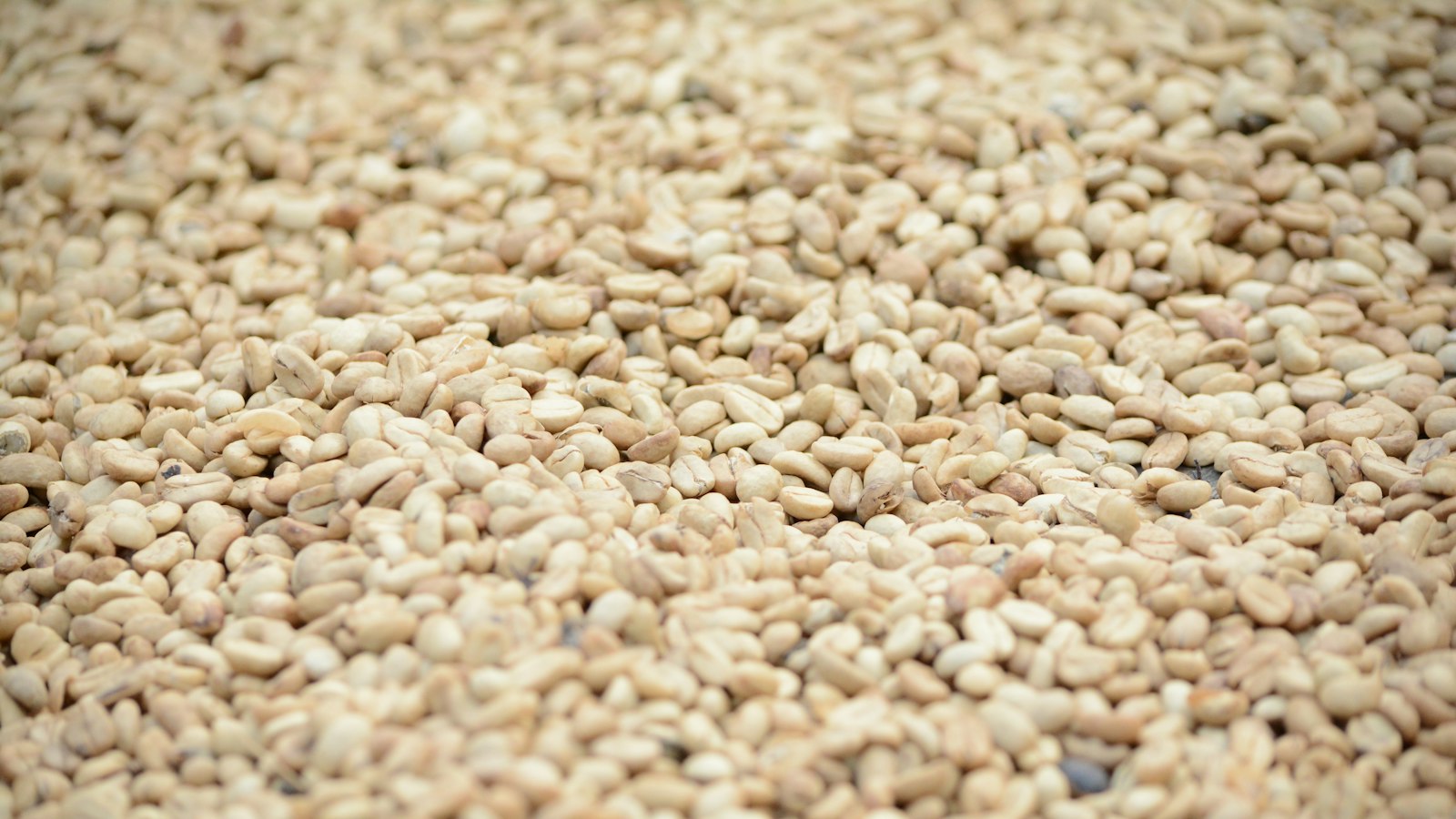
Simsim, or sesame, is a traditional crop in northern and eastern Uganda, especially in Acholi, Lango, West Nile and Teso. It is drought tolerant, needs few inputs and has strong demand from oil processors, confectionery makers and export buyers. Ugandan simsim is valued for its quality, and clean, well handled grain fetches better prices.
Why grow simsim?
- Tolerates dry conditions better than many crops
- Low input requirements
- High value per kilo compared with many grains
- Good for crop rotation
- Strong export demand when quality standards are met
Varieties
Improved varieties such as Sesim 1, Sesim 2 and Sesim 3 were developed by Ugandan researchers for better yields and tolerance to diseases. Local white and brown types are also common. Buyers often prefer white seeded simsim, so confirm your market.
Climate and soil
- Warm temperatures and moderate rainfall
- Well drained sandy loam soils
- Does not tolerate waterlogging
Land preparation and planting
- Prepare a fine seedbed, because simsim seed is very small.
- Plant at the onset of rains. In many northern areas, the second season is popular.
- Mix seed with dry sand for even distribution if broadcasting, but row planting is better.
- Row planting at about 45 to 60 cm between rows and thinning to about 10 to 15 cm between plants improves yields and eases weeding.
- Plant shallow, about 2 to 3 cm deep.
Weeding and thinning
Simsim grows slowly at first and cannot compete with weeds. Weed early, about 2 to 3 weeks after emergence, and again before flowering. Thin crowded plants to the recommended spacing.
Fertiliser
Simsim often follows other crops and uses residual fertility, but yields improve with moderate fertiliser or manure on poor soils. Get advice based on your soil.
Pests and diseases
- Simsim webworm and gall midge: monitor and use recommended control.
- Leaf diseases: use improved varieties and rotate crops.
- Phyllody: a disease that turns flowers leafy; remove infected plants and control insect vectors.
Harvesting: timing is everything
Simsim pods split open (shatter) when they dry, and seeds fall to the ground. To avoid losses:
- Harvest when lower capsules turn yellow and leaves start falling, before pods fully dry.
- Cut stems and tie in small bundles.
- Stand bundles upright on a clean tarpaulin or mat to dry.
- Turn bundles upside down and shake or tap to release seeds once dry.
Cleaning, drying and storage
- Winnow to remove dust, leaves and stones.
- Dry to safe moisture before bagging.
- Store in clean bags on pallets in a dry, well ventilated store.
- Keep simsim clean and free of contamination; export buyers test for quality and residues.
Markets and value addition
- Local traders and aggregators in northern and eastern Uganda
- Oil millers producing sesame oil
- Confectionery makers (simsim bars and paste)
- Exporters to markets in Asia, the Middle East and Europe
- Selling through farmer groups and cooperatives for better prices
Simsim paste, a staple in northern Ugandan dishes, is a value added product with strong local demand.
Frequently asked questions
How long does simsim take to mature?
Most varieties mature in about 3 to 4 months.
Why is my simsim yield low?
Common causes are late weeding, poor plant spacing, pest attack and losses from late harvesting and shattering.
Get help from an agronomist
Book a short call with a verified agronomist or agribusiness consultant on The Quick Consult for help with varieties and markets.