
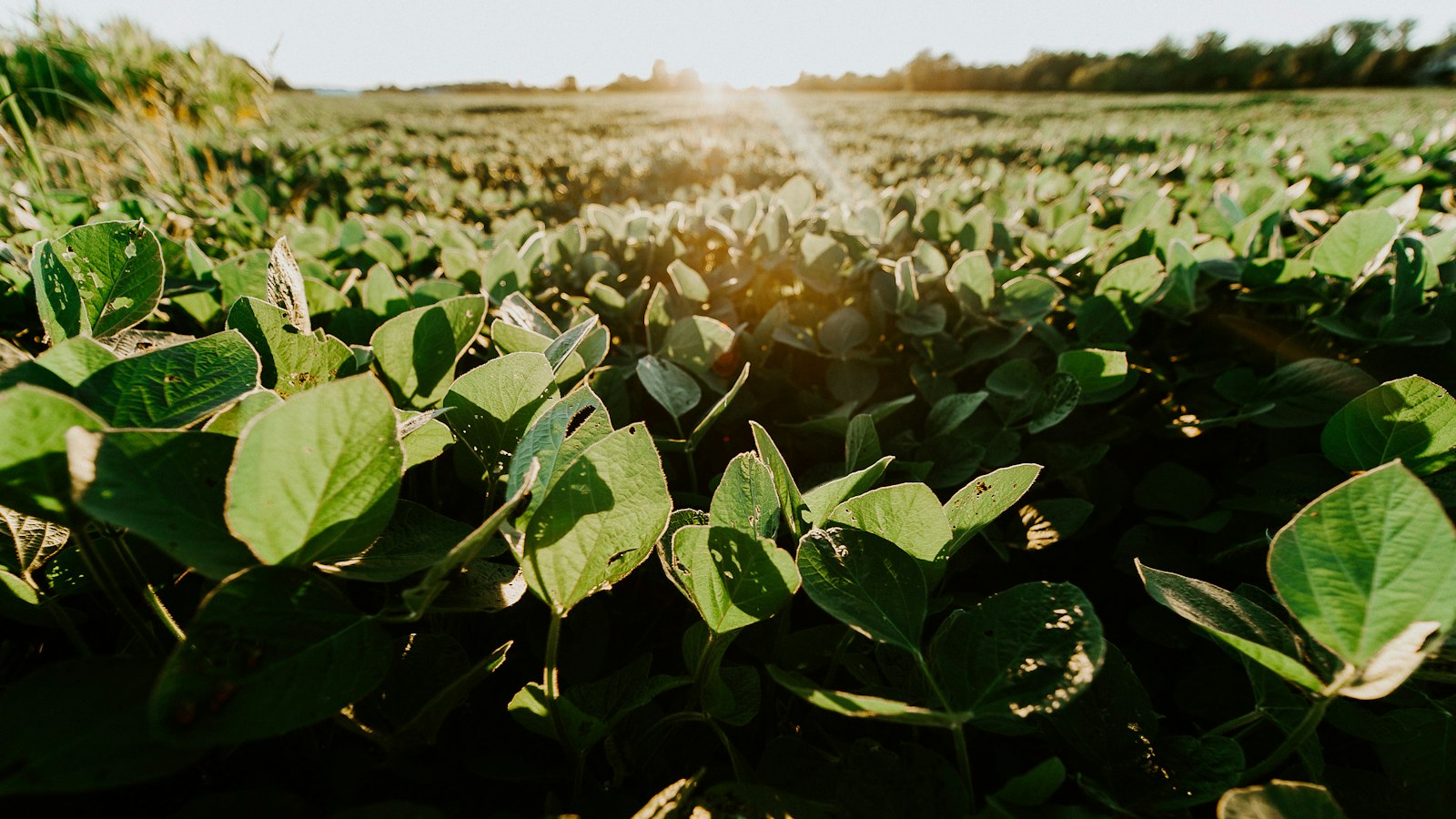
Soybean is one of the fastest growing crops in Uganda because the animal feed industry needs huge amounts of soybean meal for poultry, pigs and fish. Oil processors and food makers also buy soybean. Farmers in northern, eastern and parts of western and central Uganda grow it successfully, often in rotation with maize.
Why grow soybean?
- Strong demand from feed millers and processors
- Fixes nitrogen in the soil, improving yields of the next maize crop
- Matures in about 3 to 4 months
- Can be stored well when dried properly
Varieties
The Maksoy series (such as Maksoy 3N, 4N, 5N and 6N), developed through Makerere University research, are widely grown for their yields and tolerance to soybean rust. Buy certified seed from reputable dealers.
Climate and soil
- Warm areas with moderate, well distributed rainfall
- Well drained loam soils
- Soil pH around 6.0 to 7.0
Inoculation: the secret to high yields
Soybean needs specific rhizobium bacteria to fix nitrogen. Many Ugandan soils, especially where soybean has not been grown before, lack these bacteria. Treat seed with a rhizobium inoculant just before planting:
- Mix the inoculant with seed in a shaded place following the product instructions.
- Plant immediately, ideally within hours.
- Do not mix inoculated seed with fungicides unless the product allows it.
- Keep inoculants cool and out of direct sun before use.
Planting
- Timing: plant at the start of the rains.
- Spacing: commonly about 45 to 60 cm between rows and 5 to 10 cm between plants within the row.
- Depth: about 2.5 to 5 cm.
- Fertiliser: a phosphorus fertiliser such as TSP or DAP at planting supports root and nodule growth on poor soils.
Weeding
Weed twice, around 2 to 3 weeks and 5 to 6 weeks after planting. Weeds reduce yields significantly in the early weeks. Herbicides can be used following label instructions.
Pests and diseases
- Soybean rust: the most important disease. Use tolerant varieties and plant on time.
- Pod sucking bugs and leaf eating caterpillars: monitor and control when damage is significant.
- Root rots in waterlogged soils: plant on well drained land.
Harvesting
Harvest when leaves have fallen and most pods are brown and dry. Delaying too long causes pods to shatter, while harvesting too early gives wrinkled, high moisture beans. Cut or uproot plants, dry on tarpaulins, then thresh gently.
Drying and storage
- Dry beans to safe moisture levels before bagging.
- Clean to remove stones, stalks and broken beans.
- Store in clean bags on pallets in a dry, ventilated store.
- Protect from storage pests and moisture.
Markets
- Animal feed millers, who are the biggest buyers
- Oil processors producing soybean oil and cake
- Food companies making soy flour, porridge blends and snacks
- Traders and aggregators, often through farmer groups
Selling through cooperatives or contract farming arrangements can improve prices and guarantee buyers.
Frequently asked questions
Do I need fertiliser for soybean?
Soybean fixes its own nitrogen when inoculated, but phosphorus fertiliser often improves yields on poor soils.
How many seasons can I grow soybean a year?
In areas with two rainy seasons, two crops are possible, but rotate with cereals to reduce disease build up.
Get agronomy support
Book a short call with a verified agronomist on The Quick Consult to plan your soybean enterprise and connect with buyers.