
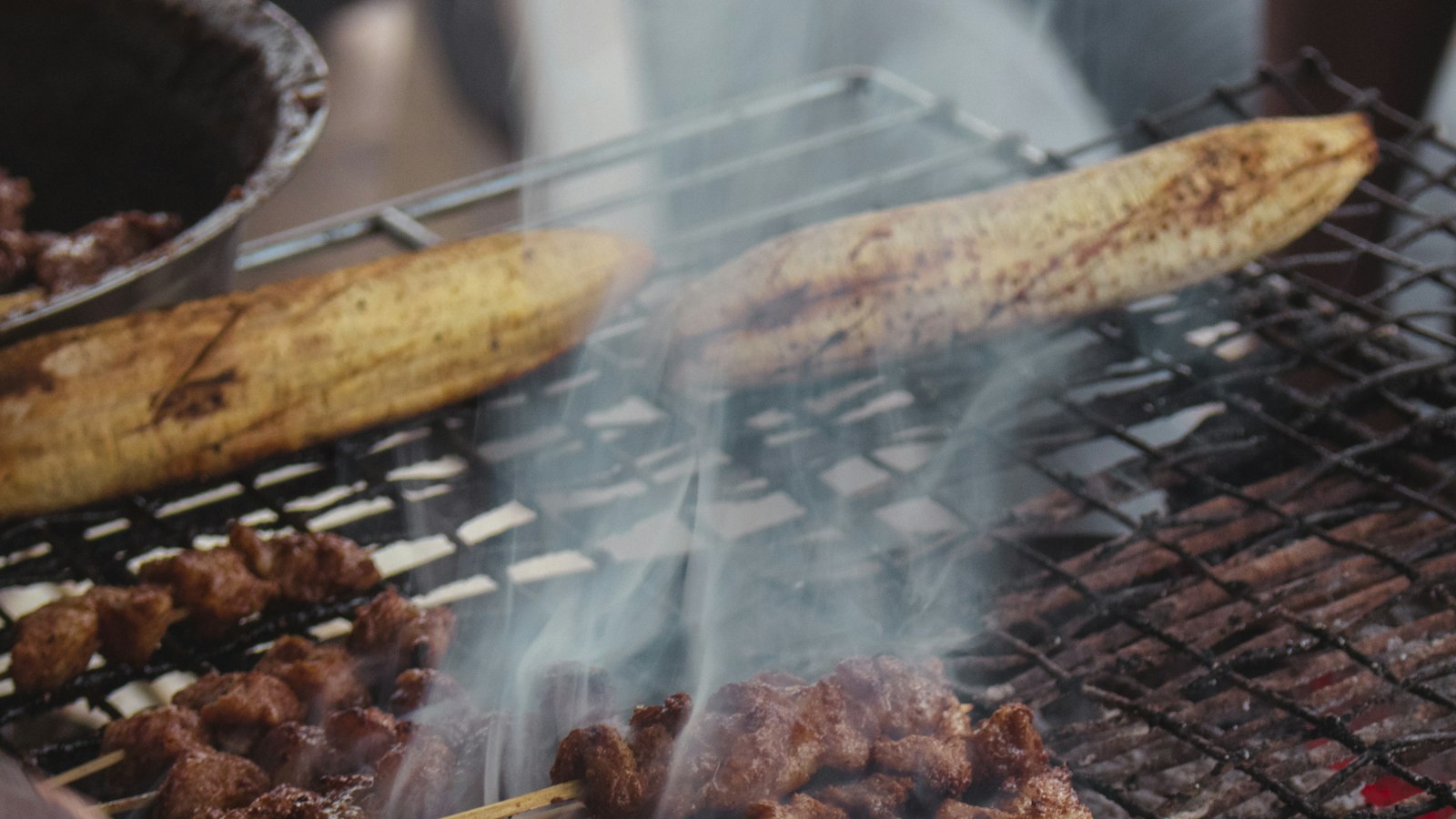
Ugandans love meat. Beef for stew on weekdays, goat for celebrations, pork joints for evening outings and chicken for visitors. A butchery in a busy neighbourhood can sell every day, and adding roasted meat (muchomo) can double your margins. But it is a business where hygiene, cold storage and supplier relationships decide success.
Types of butchery businesses
- Neighbourhood beef and goat butchery
- Pork joint with raw sales and roasted pork
- Chicken shop selling live, dressed or cut chicken
- Modern meat shop with display fridges, mince, sausages and packaging for supermarkets and restaurants
- Supply butchery serving hotels, schools and restaurants
Licences and legal requirements
- Business name or company registration with URSB
- Trading licence from the local authority
- Health inspection and approval of premises by the local health inspector
- Meat must come from a licensed abattoir or slaughter slab and be inspected by a veterinary officer. Keep inspection stamps and receipts.
- Medical certificates for staff handling meat
- Movement permits when transporting animals, as required by veterinary authorities
Premises requirements
- Tiled or smooth washable walls and floor
- Screened windows to keep flies out
- Clean running water and handwashing area
- Stainless steel or tiled counters
- Proper drainage and waste disposal
- Good lighting and ventilation
Equipment
- Chest freezer and display fridge
- Meat hooks and rails
- Chopping blocks, knives, cleavers and bone saw
- Digital weighing scale, regularly checked
- Mincer for minced meat
- Protective clothing: aprons, gloves, gumboots and head covers
- Grill and charcoal stove if adding roast meat
Sourcing meat
You can buy live animals at cattle markets and have them slaughtered at an abattoir, or buy carcasses directly from abattoirs and wholesale traders. Each option has trade offs:
- Live animals: potentially cheaper per kilo, but you need experience judging weight and condition, plus transport and slaughter fees.
- Carcasses: more predictable and convenient, with inspection done at the abattoir.
Build relationships with reliable suppliers so you get consistent quality and fair prices, especially in festive seasons when demand spikes.
Pricing and profit
Butchery margins come from the difference between what you pay per kilo of carcass and what you sell per kilo of meat, after accounting for bones, fat and weight loss. Track:
- Total carcass weight bought
- Kilos sold as prime meat, mixed meat, bones, offals and head
- Waste and unsold meat
Sell offals (liver, kidney, intestines) and bones separately; they are popular and add income. Roasted meat sold per stick or per plate usually earns more than raw meat.
Hygiene: your reputation depends on it
- Clean surfaces and tools several times a day.
- Keep raw meat cold and away from cooked foods.
- Never sell meat without inspection stamps.
- Throw away spoiled meat; do not try to "save" it.
- Use separate knives for different meats where possible.
Ideas to grow
- Offer clean, vacuum packed portions for working families.
- Take WhatsApp orders and deliver.
- Supply restaurants, schools and hotels on credit terms you can manage.
- Add goat and pork roasting on weekends and match days.
- Make sausages or marinated meat for higher margins, with proper food safety standards.
Common challenges
- Power outages affecting refrigeration; consider a generator or solar backup.
- Price swings in festive seasons.
- Credit sales that are never paid.
- Animal disease outbreaks leading to quarantines.
Frequently asked questions
How much meat should I stock daily?
Start small, track sales for two weeks, then stock based on actual demand plus a small buffer. Unsold meat is expensive.
Can I slaughter at home?
Meat for sale should come from licensed and inspected slaughter facilities. Home slaughter for sale risks penalties and public health problems.
Plan your butchery with an expert
Book a short call with a verified business or agribusiness consultant on The Quick Consult to plan your capital, pricing and supply chain.