
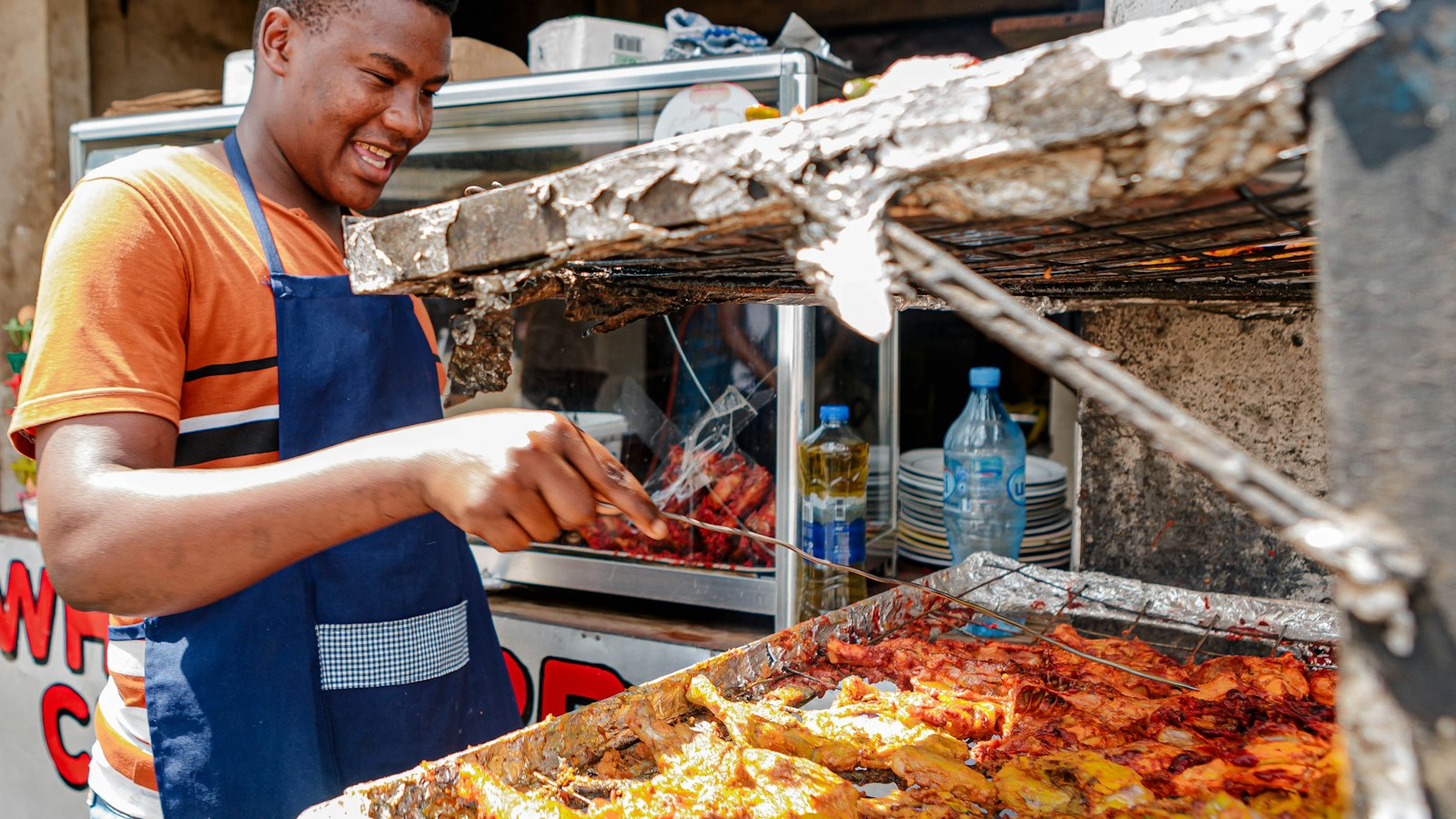
Walk through any Ugandan trading centre in the evening and you will smell it: hot chips, fried chicken and roasted sausages. Fast food spots near campuses, taxi stages, offices and estates sell hundreds of plates a day. A well run chips business can be profitable with modest capital, but margins depend on smart buying, oil control and location.
Business models to choose from
- Roadside kiosk: a small stall or container with a gas fryer. Lowest capital, high foot traffic.
- Takeaway shop: a small room with counter, display warmer and a few seats.
- Sit in fast food restaurant: more menu items, seating and delivery.
- Delivery only (cloud kitchen): focus on orders through WhatsApp and delivery apps.
Startup capital (approximate)
Costs vary by location and equipment quality. A small kiosk can start with a few million shillings, while a proper takeaway shop with branding and better equipment needs more. Main items:
- Commercial deep fryer (gas or electric) and gas cylinder
- Potato chipper (cutter), knives, basins and chopping boards
- Display warmer or glass cabinet
- Charcoal or gas grill for chicken and sausages
- Fridge or freezer for chicken and sausages
- Packaging: takeaway boxes, paper bags, serviettes and sauce sachets
- Kiosk, container or shop rent and setup
- Initial stock: potatoes, cooking oil, chicken, sausages, salt and spices
- Licences and medical certificates for food handlers
Sourcing Irish potatoes
Potatoes are your main raw material. Most come from Kabale, Kisoro, Mbale highlands and parts of western Uganda. Prices change with seasons, so:
- Buy by the sack from wholesalers at Kalerwe, Nakasero or Owino, or arrange direct supply from farmers.
- Choose varieties good for frying, firm with low moisture, that do not turn dark.
- Store in a cool, dark, ventilated place, not in plastic bags.
Cooking oil management: where profit is won or lost
- Use a good quality frying oil and filter it daily.
- Do not overheat oil; it breaks down faster and spoils taste.
- Pre blanch chips to reduce frying time and oil absorption.
- Change oil before it darkens and smells. Customers notice and stop coming.
Costing a plate of chips
Calculate cost per plate carefully:
- Weigh how many plates you get from one sack of potatoes.
- Add oil used per day divided by plates sold.
- Add gas or charcoal, packaging, salt, sauce and labour per plate.
- Add a share of rent and licences.
If a plate costs you a certain amount to make, price it so you keep a healthy gross margin, often 40 to 60 percent for chips. Combos such as chips and chicken or chips and two sausages increase the average sale.
Licences and hygiene requirements
- Register a business name with URSB.
- Trading licence from your city, municipality or town council.
- Health inspection and medical certificates for food handlers, as required by your local authority.
- Fire extinguisher and safe gas storage.
- Clean water, handwashing station and proper waste disposal.
Choosing a location
- Near universities, secondary schools, hostels and taxi stages
- Busy evening routes where workers pass on the way home
- Estates with few food options
- Near bars and sports viewing centres, especially on match days
Menu ideas to increase sales
- Chips plain, chips with chicken, chips with sausages and chips with liver
- Chips masala and Kampala style "chips kavu" with pili pili
- Rolex or chapati options for breakfast and lunch
- Fresh juice and sodas
- Family combos for weekends
Marketing your chips business
- Create a WhatsApp Business catalogue with prices.
- Offer delivery within your area using trusted boda riders.
- Run loyalty offers, for example the 10th plate free.
- Post short videos of frying and plating on TikTok and Instagram.
- Register on food delivery apps operating in your town.
Common mistakes
- Buying potatoes in small quantities at retail prices
- Reusing oil for too long
- Inconsistent portion sizes
- Poor hygiene, which kills reputation fast
- Not tracking daily sales and costs
Frequently asked questions
Is a chips business profitable in Uganda?
Yes, when located well and managed tightly. Profit depends on volume, oil control and potato prices.
How many plates should I sell to break even?
Divide your monthly fixed costs (rent, salaries, licences) by your profit per plate. That gives your monthly break even number of plates.
Get a business plan review
Want help costing your menu or writing a business plan for a loan? Book a quick call with a verified business consultant on The Quick Consult.