
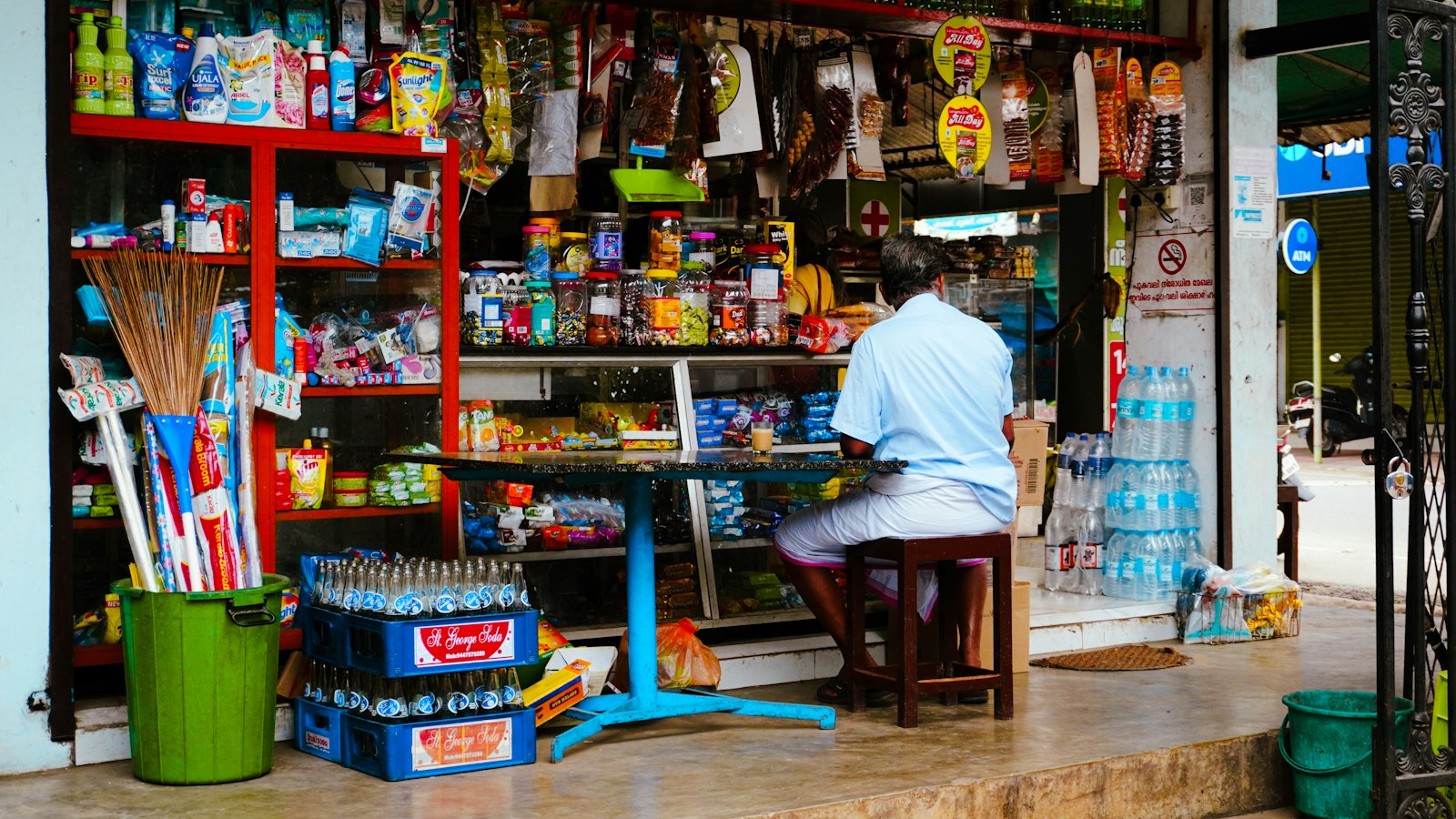
Every estate and trading centre in Uganda needs a reliable shop for sugar, soap, cooking oil, bread, airtime and household essentials. A well run neighbourhood shop or mini supermarket builds loyal daily customers. The key is the right location, smart stocking and tight control of cash and stock.
Choose your format
- Kiosk or duka: small counter shop with essentials
- Mini mart: self service shelves, wider range, often with a fridge and bakery items
- Mini supermarket: larger space, more brands, fresh produce and possibly a butchery or bakery section
Location matters most
- Busy residential estates with few competitors
- Near schools, hostels, hospitals and taxi stages
- Visible from the main road with easy access
- Safe area with security
Spend a few days observing foot traffic and competing shops before signing a lease.
Startup capital
Capital depends on size. Budget for:
- Rent and deposit
- Shelving, counter, fridge or freezer, weighing scale
- Initial stock (usually the biggest cost)
- Point of sale system or cash register
- Signage, lighting and security (grilles, CCTV)
- Licences and registration
- Working capital to restock weekly
Fast moving goods to stock first
- Sugar, salt, rice, maize flour, beans and cooking oil
- Bread, milk, eggs and soft drinks
- Bar soap, washing powder, toilet paper and sanitary pads
- Toothpaste, petroleum jelly and body lotion
- Matches, candles, batteries and paraffin where allowed
- Airtime and mobile money services
- Snacks, biscuits and sweets
Start with popular brands, then add variety based on what customers request.
Where to buy stock
- Kikuubo in Kampala: the country's main wholesale hub for groceries and household goods
- Manufacturers' distributors: many deliver directly to shops with competitive prices
- Cash and carry wholesalers
- Local farmers for fresh produce and eggs
Pricing
Retail margins on basics like sugar are small, while margins on snacks, toiletries and specialty items are higher. Check competitors' prices, keep basics competitive to attract customers, and earn more on convenience items.
Stock control and cash management
- Use a point of sale system that tracks sales and stock automatically.
- Do regular stock counts, weekly for fast items.
- Separate business money from personal money.
- Bank or deposit cash daily.
- Limit credit sales to trusted customers with clear limits.
- Check expiry dates and rotate stock (first in, first out).
Registration and tax
- Register with URSB and get a trading licence.
- Get a TIN. Your NIN serves as TIN for individuals.
- If your turnover reaches the VAT threshold, register for VAT and issue e-receipts through URA's EFRIS system.
Growing your shop
- Offer delivery through WhatsApp orders in your estate.
- Add services like mobile money, bill payments and parcel collection.
- Stock fresh bread, milk and vegetables to bring customers daily.
- Run small promotions on weekends.
- Keep the shop clean, bright and organised.
Frequently asked questions
How much profit does a retail shop make?
It varies with location and volume. Gross margins across a mix of goods often average around 10 to 25 percent. Track yours monthly.
How can I reduce theft?
Use a POS system, count stock regularly, install CCTV and have clear cash procedures.
Get a plan tailored to your area
Book a short call with a verified retail or business consultant on The Quick Consult to plan stock, layout and finances.