
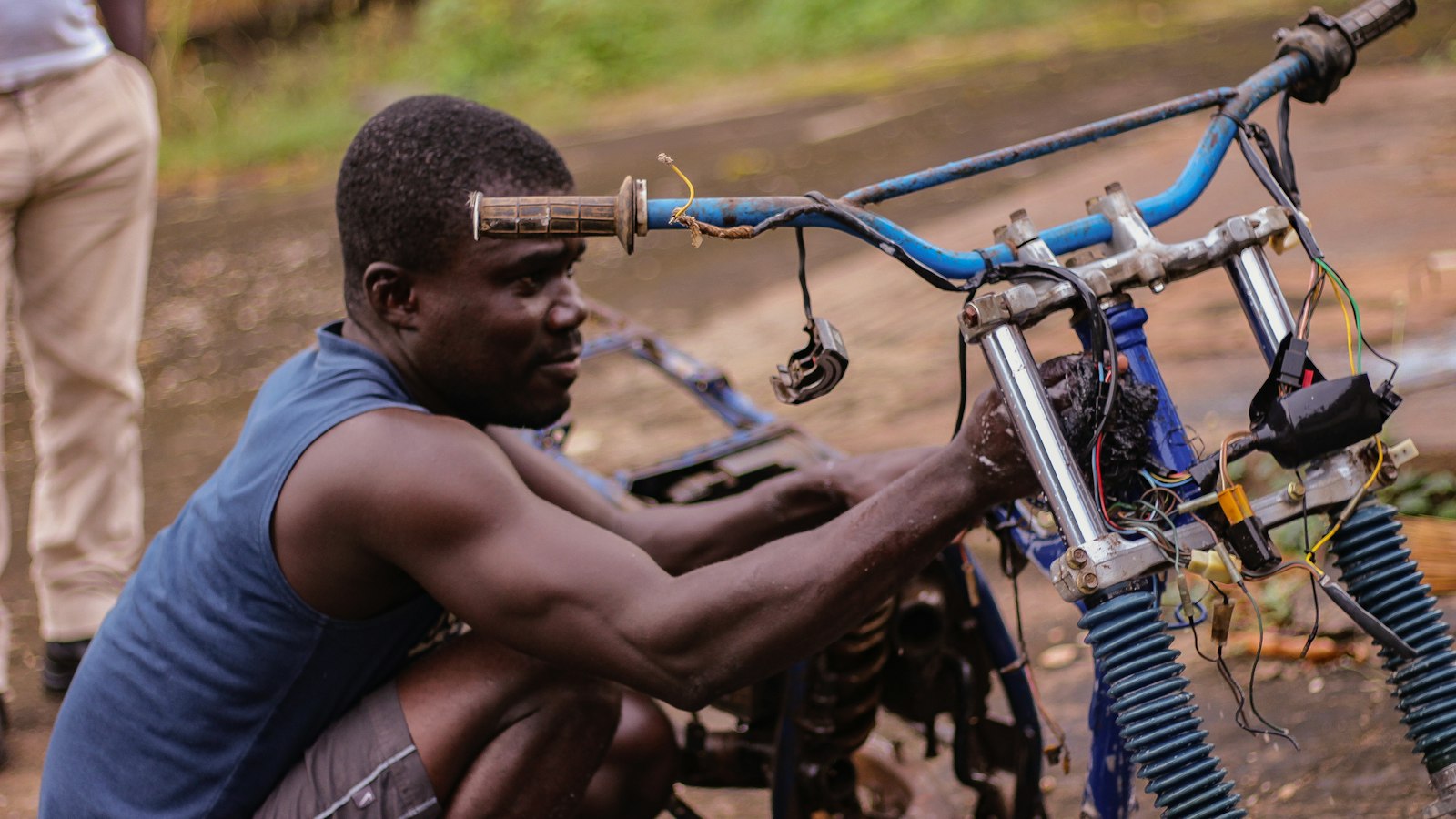
Uganda has hundreds of thousands of cars and a massive boda boda fleet, much of it older vehicles that need constant maintenance. Brake pads, oil filters, tyres, chains and bulbs are bought every single day. A spare parts shop in the right location, with reliable stock and good relationships with mechanics, can build steady income.
Choose your focus
- Motorcycle (boda boda) parts: lower cost per item, very high turnover, popular brands like Bajaj and TVS dominate.
- Car parts for Japanese models: Toyota, Nissan, Subaru and Mitsubishi are common, especially Toyota models such as Premio, Allion, Harrier, Noah and Probox.
- Truck and commercial vehicle parts: higher capital, larger margins per item.
- Specialised parts: batteries, tyres, lubricants or electrical parts only.
Beginners often start with boda boda parts or service items for popular Toyota models.
Fast moving parts to stock
Motorcycles
- Brake shoes and pads, chain and sprocket kits
- Engine oil, oil filters and spark plugs
- Tubes and tyres, clutch plates and cables
- Bulbs, indicators, mirrors and batteries
- Bearings, shock absorbers and seat covers
Cars
- Oil, air and fuel filters
- Brake pads and discs
- Spark plugs and ignition coils
- Shock absorbers, bushes and ball joints
- Belts, radiator hoses and coolant
- Bulbs, wiper blades and batteries
- Engine oil and transmission fluid
Where to source parts
- Kisekka market and surrounding areas in Kampala: the main hub for new and used parts wholesale.
- Authorised distributors of brands such as motorcycle manufacturers and lubricant companies.
- Importers bringing parts from Japan, Dubai and China.
- Used parts dealers for ex Japan parts, which can be good value for some components.
Compare prices, ask for invoices, and build relationships so suppliers inform you of new stock and offer credit as you grow.
Startup capital
A small boda boda parts shop can begin with a few million shillings in stock. Car parts require more because items cost more and you need wider variety. Budget for rent, shelving, a counter, stock, licences and a simple inventory system.
Avoiding fake and substandard parts
- Buy brand name parts from trusted suppliers and check packaging, holograms and part numbers.
- Offer customers a choice between genuine and cheaper aftermarket options, explaining the difference honestly.
- Give simple warranties on items you trust, which builds loyalty.
- Comply with UNBS standards for items like tyres, batteries and lubricants.
Pricing and margins
Margins vary by item. Fast moving service parts have lower margins but high volume, while specialised parts earn more per item. Track sales to identify your top 50 items and never run out of them.
Location and customers
- Near garages, mechanic clusters, boda stages and highways
- Busy trading centres in growing towns
- Near fuel stations with service bays
Mechanics are your best marketers. Build relationships, offer fair prices for regular buyers and deliver parts quickly to their garages.
Licences and compliance
- URSB registration and trading licence
- TIN, and VAT and EFRIS compliance if turnover reaches the threshold
- Proper import documentation if you import directly
Growing your shop
- Use stock management software or a spreadsheet with reorder levels.
- List parts on WhatsApp and Facebook with part numbers and prices.
- Offer delivery to garages and fleet owners.
- Supply boda boda groups and SACCOs, taxi operators and companies with fleets.
Frequently asked questions
Do I need mechanical knowledge?
Basic knowledge helps a lot. Learn part numbers and model compatibility, or hire someone experienced.
How do I avoid dead stock?
Start with fast moving service items for the most common models in your area, and order slow items only on request with a deposit.
Plan your shop with an expert
Book a short call with a verified business consultant on The Quick Consult to plan your stock list, capital and pricing.