
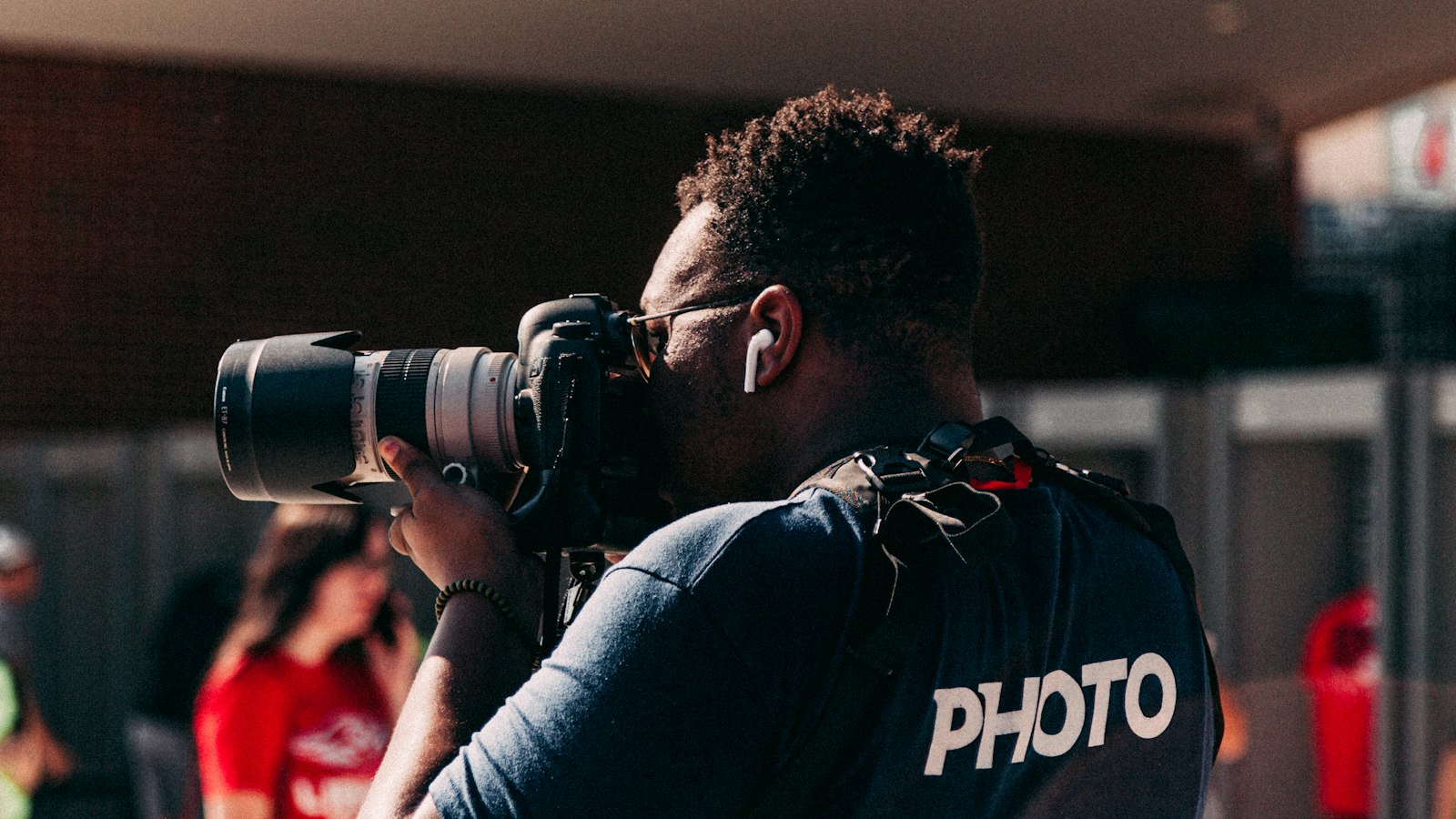
Ugandans love a good photo. Introductions, weddings, graduations, baby showers, birthdays, corporate events, product launches and the endless need for social media content mean there is steady demand for photographers in Kampala and beyond. Businesses, from restaurants to fashion brands, now need fresh images every week to sell online.
But many talented photographers struggle to earn a stable income. They undercharge, lose files, fall out with clients over delivery times or spend everything on gear before they have customers. This guide covers how to set up a photography business properly: the gear, the paperwork, pricing, finding clients and protecting yourself with contracts.
Choose your niche first
You will grow faster if people know you for something specific. Popular niches in Uganda include:
- Weddings and introductions (kwanjula, kuhingira): high value but long days and high expectations.
- Events and corporate: conferences, launches, NGO field work and staff headshots. Clients often pay reliably and rebook.
- Portraits and studio work: graduation, family, maternity and birthday shoots.
- Product and food photography: for restaurants, online shops, and manufacturers.
- Content creation: monthly photo and short video packages for brands on Instagram and TikTok.
You can shoot more than one, but lead your marketing with one or two.
The gear you actually need to start
You do not need the most expensive camera. You need reliable gear that suits your niche:
- A camera body with good low-light performance. Many start with a used mirrorless or DSLR body.
- Two lenses: a versatile zoom (such as 24 to 70mm) and a fast prime (such as 50mm) for portraits.
- An external flash, essential for indoor receptions and evening events.
- Spare batteries and memory cards. Never shoot an event with one card or one battery.
- Backup storage: at least two external hard drives, plus cloud backup if you can.
- A laptop capable of running editing software such as Lightroom.
Prices vary with exchange rates and whether you buy new or used. Buying second-hand from trusted photographers can save a lot, but test everything before paying. Renting lenses or lights for big jobs is a smart way to grow without heavy debt. If you plan to use a drone, check the current authorisation requirements with the Uganda Civil Aviation Authority first, as unauthorised flying can lead to confiscation.
Register and set up your business
Being registered helps you win corporate and NGO work, which usually requires invoices and tax details.
- Register a business name or company with the Uganda Registration Services Bureau (URSB).
- Get a TIN from the Uganda Revenue Authority (URA) and understand your tax obligations.
- Get a trading licence from your local authority, such as KCCA in Kampala, if you run a studio or office.
- Open a business bank account and a business mobile money line to keep money separate.
- Consider insuring your gear against theft and damage.
How to price your photography packages
Pricing is where most beginners go wrong. Start by working out your costs: equipment wear, transport, editing time, assistants, printing, data and your own time. A four-hour shoot can easily mean two days of work once you add editing and delivery.
Then build clear packages. For example:
- Mini portrait session: 30 to 60 minutes, a set number of edited images.
- Half-day event: up to four hours, one photographer, a minimum number of edited photos delivered online.
- Full-day wedding or introduction: two photographers, a larger gallery, and optional extras like a printed album or video.
- Monthly content package: a set number of photos and short videos for a brand each month.
Prices in Uganda range widely by experience and reputation. At the time of writing, some established Kampala studios published event photography packages starting below UGX 1 million for a few hours of coverage, with full wedding photo and video packages running into several million shillings. Beginners usually charge less while building a portfolio, but avoid pricing so low that you cannot afford to replace your gear.
Always take a deposit to book a date, commonly 30% to 50%, with the balance due before final delivery.
Getting your first clients
- Build a portfolio. Do a few styled shoots with friends, models or small businesses. Show only your best work.
- Use Instagram, TikTok and Facebook consistently. Post behind-the-scenes clips and finished work, and reply to messages quickly.
- Use WhatsApp Business with a catalogue of your packages.
- Partner with event planners, decorators, MCs and venues. Many bookings come through referrals.
- Pitch to businesses with sample product photos showing how you could improve their online look.
- Ask happy clients for reviews and tag them (with permission) when you post.
Use a simple contract for every job
A written agreement protects both you and the client. It does not need to be long, but it should cover:
- Date, time, location and hours of coverage.
- What is delivered, how many edited images and by when.
- The total fee, deposit, payment dates and what happens if the client cancels or postpones.
- Overtime rates and transport or accommodation for upcountry jobs.
- Copyright and usage: who owns the photos and how each side may use them, including whether you can post them in your portfolio.
- What happens if you are ill or equipment fails.
Photos of people are personal data, so ask permission before posting clients' images publicly, especially children.
Common mistakes to avoid
- Shooting without a deposit, then being cancelled the day before.
- Having only one copy of files. Back up the same day, to two places.
- Promising "all photos" or unrealistic delivery dates.
- Underpricing to beat competition, which leaves nothing for gear repairs or growth.
- Buying gear on credit before having steady clients.
- Using music or other people's work without permission in videos and slideshows.
Frequently asked questions
How much money do I need to start a photography business in Uganda?
It depends on your niche and whether you buy new or used gear. Many photographers start with one body, two lenses, a flash and backups, then upgrade as income grows. Renting helps for bigger jobs.
Do I need a photography qualification?
No formal qualification is required. Short courses, online tutorials and assisting experienced photographers are common ways to learn.
How fast should I deliver photos?
Set a realistic timeline in your contract, such as a few days for portraits and longer for weddings. Sending a few preview images within 48 hours keeps clients happy.
Should I give clients the RAW files?
Most professionals deliver edited images only. If you agree to share RAW files, state it in the contract and consider charging for it.
How do I get corporate clients?
Register your business, have a professional profile and invoices ready, and pitch directly to communications and marketing teams with relevant samples.
Get advice from an expert
Whether you need help pricing your packages, drafting a client contract or registering your business, a short call can save you costly mistakes. You can book a verified photographer or business adviser on The Quick Consult to get practical advice for your situation.