
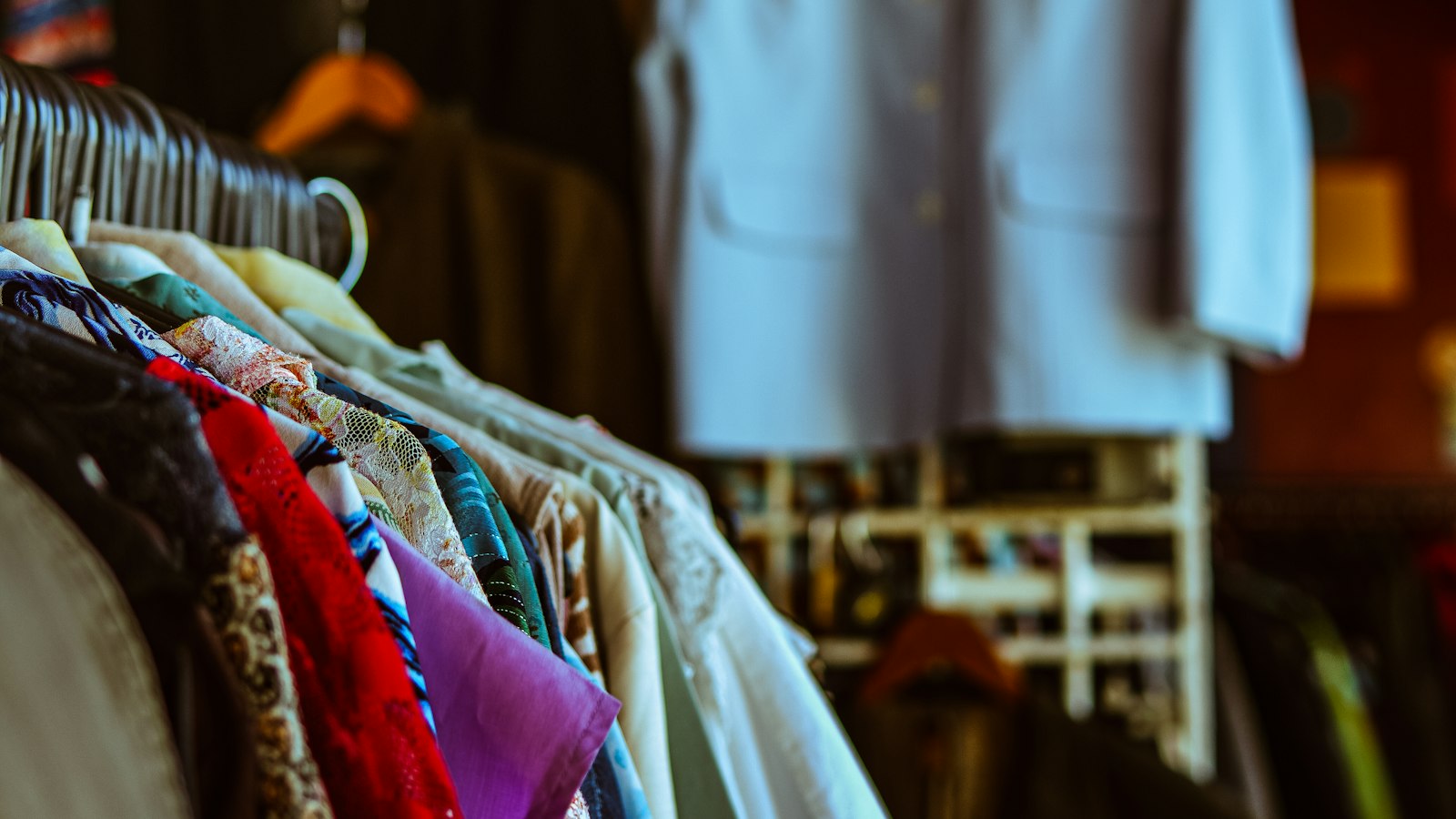
From Owino (St. Balikuddembe) market to roadside stalls in every town, second hand clothes, known as mivumba, dress millions of Ugandans. Many traders started with one bale and grew into wholesale businesses. It remains attractive because demand is steady and you can start with modest capital.
How the mivumba trade works
Used clothes are imported in compressed bales sorted by item type and quality. Importers sell bales to wholesalers and retailers, who open them and sell individual pieces. Your profit comes from selling the pieces for more than the bale cost, after accounting for damaged items.
Understanding grades
- Grade 1 (first grade or "camera"): best condition, sometimes near new. Most expensive.
- Grade 2: good condition with minor wear.
- Mixed or lower grades: cheaper but with more damaged pieces.
Bales are also sorted by item: ladies' blouses, men's shirts, jeans, children's clothes, shoes, bags, bedsheets, curtains, jackets and more.
Choosing your niche
- Children's clothes: steady demand from parents
- Ladies' tops and dresses: fast moving, especially Grade 1
- Men's shirts and trousers: office wear sells well near business areas
- Jeans and jackets: popular with youth, seasonal for jackets
- Shoes and sneakers: higher value per piece
- Bedsheets and curtains: strong demand from families and hostels
Startup capital
Your capital depends on the type and grade of bales. Budget for:
- One or more bales
- Stall or shop rent, or a spot in a market
- Hangers, display rails, mirror and tarpaulin
- Transport from the wholesaler
- Market dues and trading licence
- Washing and ironing for higher quality pieces
Where to buy bales
Many wholesalers operate around Owino and the Kikuubo area in Kampala. Visit several, compare prices and ask other traders for recommendations. Some importers allow you to see sample pieces before buying. Be cautious of sellers who refuse to show anything about the bale's contents.
Opening a bale and pricing
- Open the bale in front of you or with trusted helpers.
- Sort pieces into categories: top quality, average and damaged.
- Price by quality. Sell top pieces at higher prices to boutique buyers and loyal customers first.
- Calculate your break even. Bale cost divided by number of sellable pieces gives your average cost per piece.
- Clear slow movers at lower prices to recover cash quickly.
Selling strategies
- Market stall: high traffic and bargaining culture
- Boutique style shop: washed, ironed and well displayed Grade 1 items at higher prices
- Online: TikTok Live, Instagram and WhatsApp status are very effective for mivumba. Show pieces clearly with sizes and prices.
- Office and estate visits: some traders take selected items to offices or hostels
- Selling to other retailers: buy several bales and sell selected pieces to boutique owners
Risks and challenges
- Quality uncertainty: some bales contain many damaged items.
- Policy changes: government has at times discussed restricting used clothes imports to support local textile production. Watch announcements and diversify.
- Taxes and price changes: import duties and exchange rates affect bale prices.
- Competition: many traders sell similar items; good selection and customer service set you apart.
Tips to grow
- Keep records of every bale: cost, pieces, sales and profit.
- Build a WhatsApp list of loyal customers and notify them when a new bale opens.
- Learn sizing and fashion trends.
- Gradually add new clothes or locally made items to reduce reliance on imports.
Frequently asked questions
Is mivumba business profitable?
Yes, for traders who choose good bales, sell quickly and keep records. Profit per bale varies widely depending on grade and selling skill.
Which grade is best for beginners?
Grade 1 in a fast moving category, such as ladies' tops or children's wear, is often safer because more pieces are sellable.
Get business advice
Book a quick call with a verified business consultant on The Quick Consult to plan your capital, pricing and online sales strategy.