
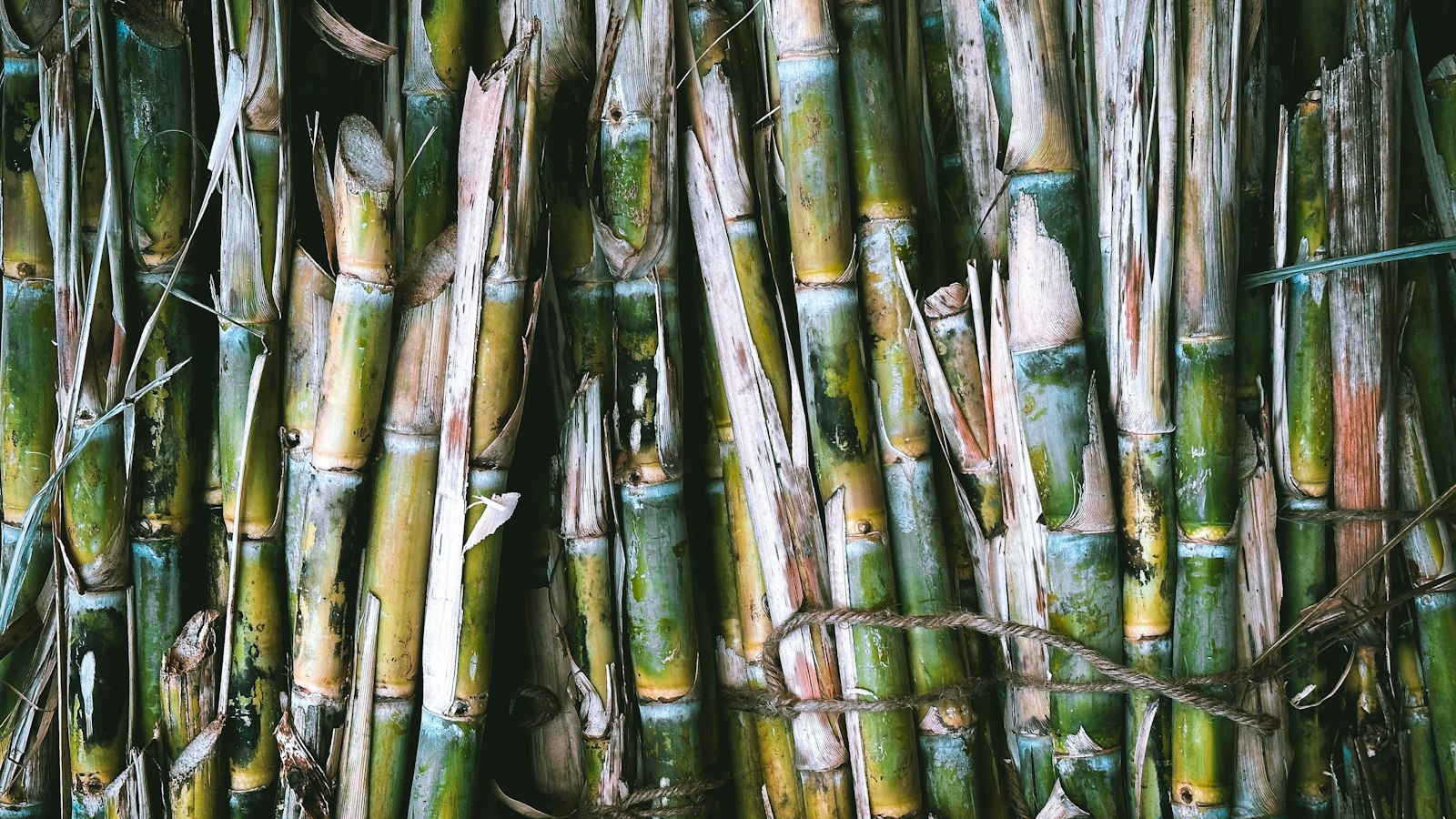
Sugarcane supports thousands of households in Busoga, Bunyoro, Lango, Acholi, Kyotera and central Uganda, supplying sugar factories that have multiplied over the past two decades. It is a long term crop, but once established, it can produce several harvests from the same planting through ratoons.
How sugarcane farming works in Uganda
Most farmers grow cane as outgrowers supplying a nearby sugar factory. Some factories offer contracts, seed cane, inputs on credit and harvesting services, then deduct costs from payments. Others buy cane from independent farmers. Understand your factory's terms before planting.
Before you plant: questions to ask
- Which factory will buy my cane, and how far is it?
- Is there a written supply agreement?
- How is cane price set, and when are farmers paid?
- Who handles harvesting and transport, and at what cost?
- Are there quotas or harvesting schedules?
Transport cost per tonne can significantly reduce income if your farm is far from the factory.
Land preparation
- Clear the land and plough deeply.
- Harrow to break clods.
- Make furrows, commonly about 1.2 to 1.5 metres apart.
Seed cane and planting
- Use healthy seed cane from improved varieties recommended by the factory or research stations.
- Cut seed pieces (setts) with two or three buds.
- Lay setts end to end or overlapping in furrows and cover with soil.
- Plant at the onset of rains for good establishment.
- Gap fill where setts fail to sprout.
Fertiliser
Sugarcane is a heavy feeder. Apply a basal fertiliser at planting and nitrogen top dressing during early growth, guided by soil tests and factory agronomists. Ratoon crops also need fertiliser after each harvest.
Weed control
Weeds compete strongly in the first months before the canopy closes. Hand weeding, herbicides and inter row cultivation are used. Keep fields clean until cane covers the ground.
Pests and diseases
- Stem borers: monitor and follow recommended control.
- Smut: use resistant varieties and remove infected stools.
- Ratoon stunting disease: use clean seed and disinfect cutting tools.
- Termites and rodents in some areas.
Harvesting
Plant cane is typically harvested at around 18 months, depending on variety and conditions, and ratoon crops at around 12 to 18 months. Harvesting is often coordinated with the factory. Deliver cane quickly after cutting because sugar content drops with delay.
Ratoons
After harvest, cane regrows from the stools. A field can produce several ratoon crops before yields fall enough to justify replanting. Good ratoon management (weeding, fertiliser and gap filling) keeps yields up.
Costs and profit
Main costs include land preparation, seed cane, planting labour, fertiliser, weeding, harvesting and transport. Profit depends on yield per acre, cane price per tonne, distance to the factory and how many ratoons you get. Keep records for each field and calculate income per acre per year rather than per harvest.
Risks
- Delayed payments from factories
- Price changes and oversupply
- Cane fires
- Long waiting periods for harvest scheduling
- Land disputes on rented land
Frequently asked questions
How long before I earn from sugarcane?
About 18 months for the first harvest, then roughly every 12 to 18 months from ratoons.
Should I grow cane on rented land?
Only with a long written lease covering several ratoons, because the crop is long term.
Get independent advice
Before signing an outgrower contract, book a short call with a verified agribusiness consultant or lawyer on The Quick Consult to review the terms.