
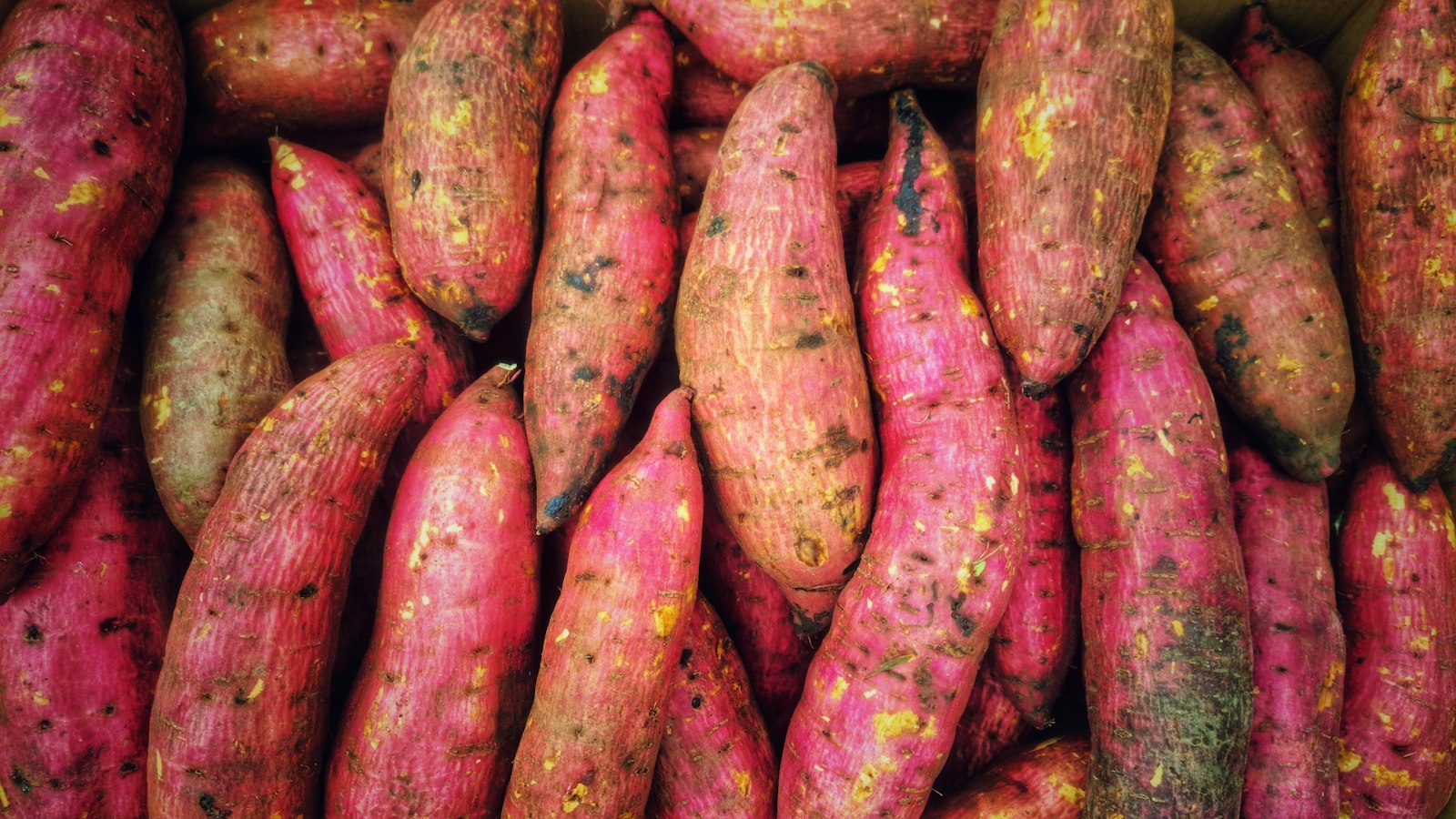
Sweet potato is one of Uganda's most important food crops, eaten at breakfast, lunch and supper across the country. It grows in a wide range of conditions, matures in about 3 to 5 months and is relatively easy to manage. With improved varieties and better practices, farmers can earn good money from roots, vines and processed products.
Varieties
- Orange fleshed varieties such as NASPOT 8, NASPOT 9 O, NASPOT 10 O, NASPOT 12 O and NASPOT 13 O, plus Ejumula and Kakamega. Rich in vitamin A, good for children and mothers, and increasingly demanded by processors.
- Cream and white fleshed improved varieties with high dry matter, preferred in many local markets.
- Local varieties popular in specific regions for taste.
Choose varieties your market prefers. Many urban buyers like firm, dry, sweet roots.
Get clean planting vines
Sweet potato viruses and weevils spread through infected vines. Get vines from certified multipliers or healthy fields. Use the top 30 cm of vines (apical cuttings), which are more vigorous and less likely to carry weevils.
Land preparation
- Choose well drained soils; avoid waterlogged areas.
- Plough and harrow.
- Mounds: traditional, good for small plots and heavy soils.
- Ridges: easier for weeding and harvesting on larger farms.
Planting
- Plant at the onset of rains.
- On ridges, plant cuttings about 30 cm apart on ridges about 90 to 100 cm apart.
- Bury about two thirds of the cutting, leaving the top exposed.
- Plant on a cool day or in the evening.
Care
- Weed in the first 4 to 6 weeks until vines cover the ground.
- Earth up mounds or ridges to cover exposed roots and reduce weevil damage.
- Apply manure or fertiliser on poor soils, focusing on potassium for root development.
Pests and diseases
- Sweet potato weevil: the most damaging pest, especially in dry spells when soil cracks. Use clean vines, earth up, rotate crops and harvest on time.
- Sweet potato virus disease: causes stunting and leaf distortion. Use clean vines and remove infected plants.
- Caterpillars: monitor and control when severe.
Harvesting
- Most varieties mature in 3 to 5 months.
- Piecemeal harvesting (digging as needed) is common for home use.
- For markets, harvest the whole field at maturity to reduce weevil damage.
- Handle roots carefully to avoid bruising.
Storage and value addition
- Fresh roots store for a short time; cure in a warm, humid place for a few days to heal wounds.
- Make dried chips (amukeke) and flour (inginyo) for longer storage.
- Orange fleshed sweet potato puree and flour are used in bread, chapati, mandazi and juices.
- Sell vines to other farmers during planting seasons for extra income.
Markets
- Urban markets like Nakasero, Kalerwe and Owino
- Schools, hospitals and institutions
- Bakeries and food processors using orange fleshed sweet potato
- Vine buyers and NGOs promoting nutrition
Frequently asked questions
Why are my sweet potatoes small?
Possible causes include poor soils, waterlogging, late planting, too much nitrogen (leafy growth) or virus infected vines.
Is orange fleshed sweet potato profitable?
Yes, especially when linked to processors and institutions, but check local demand because some consumers prefer drier white varieties.
Get expert advice
Book a short call with a verified agronomist on The Quick Consult to plan your sweet potato enterprise.