
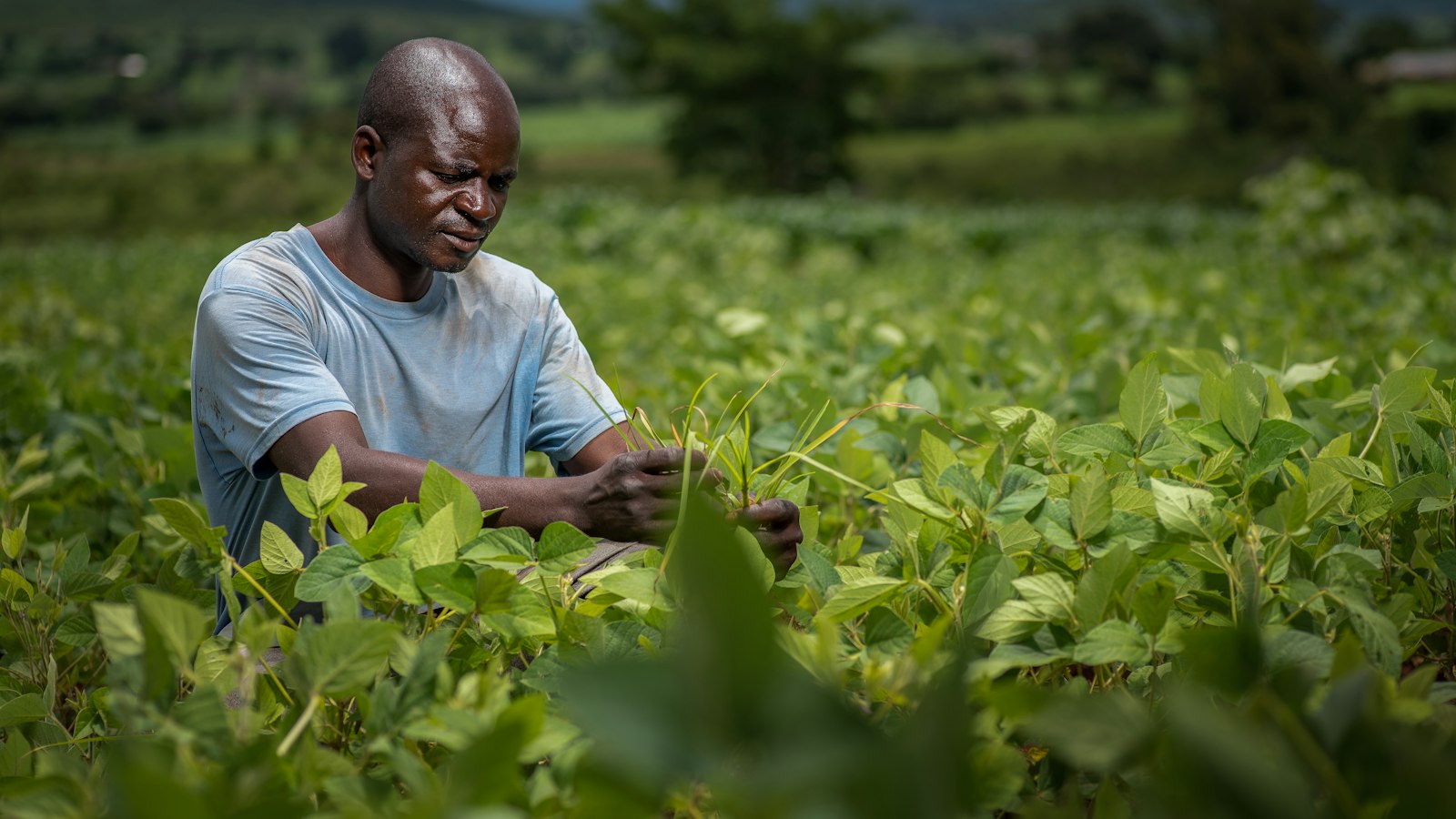
Uganda is one of Africa's leading tea producers, with tea growing in Kabarole, Kyenjojo, Bushenyi, Mitooma, Kanungu, Rukungiri, Hoima, Mukono and other areas. Smallholder farmers supply green leaf to factories, earning regular income throughout the year once their gardens mature.
Why grow tea?
- Regular income from plucking every 7 to 14 days
- A long lived crop that can produce for decades
- Established factories that buy green leaf
- Good soil cover that reduces erosion on slopes
Climate and soil
- High, well distributed rainfall, typically above 1,200 mm a year
- Cooler highland areas often produce higher quality tea
- Deep, well drained, acidic soils with pH around 4.5 to 5.5
Planting materials
Use clonal tea seedlings from certified nurseries, often recommended by factories or agricultural authorities. Clones yield better and more uniformly than seed grown plants.
Land preparation and planting
- Clear land and remove stumps and roots.
- Dig planting holes or trenches and add well rotted manure.
- Plant at the start of the rainy season.
- Common spacing is about 1.2 metres between rows and 0.6 to 0.75 metres between plants, giving thousands of plants per acre.
- Mulch heavily to conserve moisture and suppress weeds.
- Plant temporary shade or windbreaks where needed.
Bringing tea into bearing
Young tea is shaped through pruning and tipping to form a wide, flat plucking table. Most gardens start limited production in about 2 to 3 years, with full production in later years.
Fertiliser
Tea needs nitrogen to produce new shoots. Apply NPK fertilisers formulated for tea, typically in split applications during the rains, guided by soil tests and factory extension staff.
Plucking: quality pays
- Pluck two leaves and a bud for the best quality. Coarse plucking reduces factory quality and may lead to rejection or lower payment.
- Pluck regularly, usually every 7 to 14 days depending on growth.
- Use clean baskets and avoid compressing leaf.
- Deliver leaf to the buying centre the same day to avoid fermentation.
Pruning
Prune bushes every few years to keep them at a convenient plucking height and to renew growth. Time pruning to the rainy season and avoid pruning the whole garden at once to maintain income.
Selling green leaf
- Most smallholders sell to nearby tea factories or through farmer associations.
- Prices per kilo are set by factories and depend on international tea prices and leaf quality.
- Keep records of kilos delivered and payments received.
- Join a farmer group for better bargaining power and access to inputs.
Challenges
- Low green leaf prices during periods of weak world prices
- Delayed payments
- Labour costs for plucking
- Drought in some years
Increasing your income
- Improve plucking standards for better prices.
- Intercrop young tea with beans or vegetables before the canopy closes.
- Keep bees around tea gardens for honey.
- Explore specialty, orthodox or green tea markets through processors.
Frequently asked questions
How long does tea take to start producing?
Usually 2 to 3 years for initial plucking, with full yields a few years later.
Can tea grow in central Uganda?
Yes, tea grows in parts of Mukono, Buikwe and Mityana where rainfall and soils are suitable.
Plan your tea garden
Book a short call with a verified agronomist on The Quick Consult for advice on clones, fertiliser and market options.