
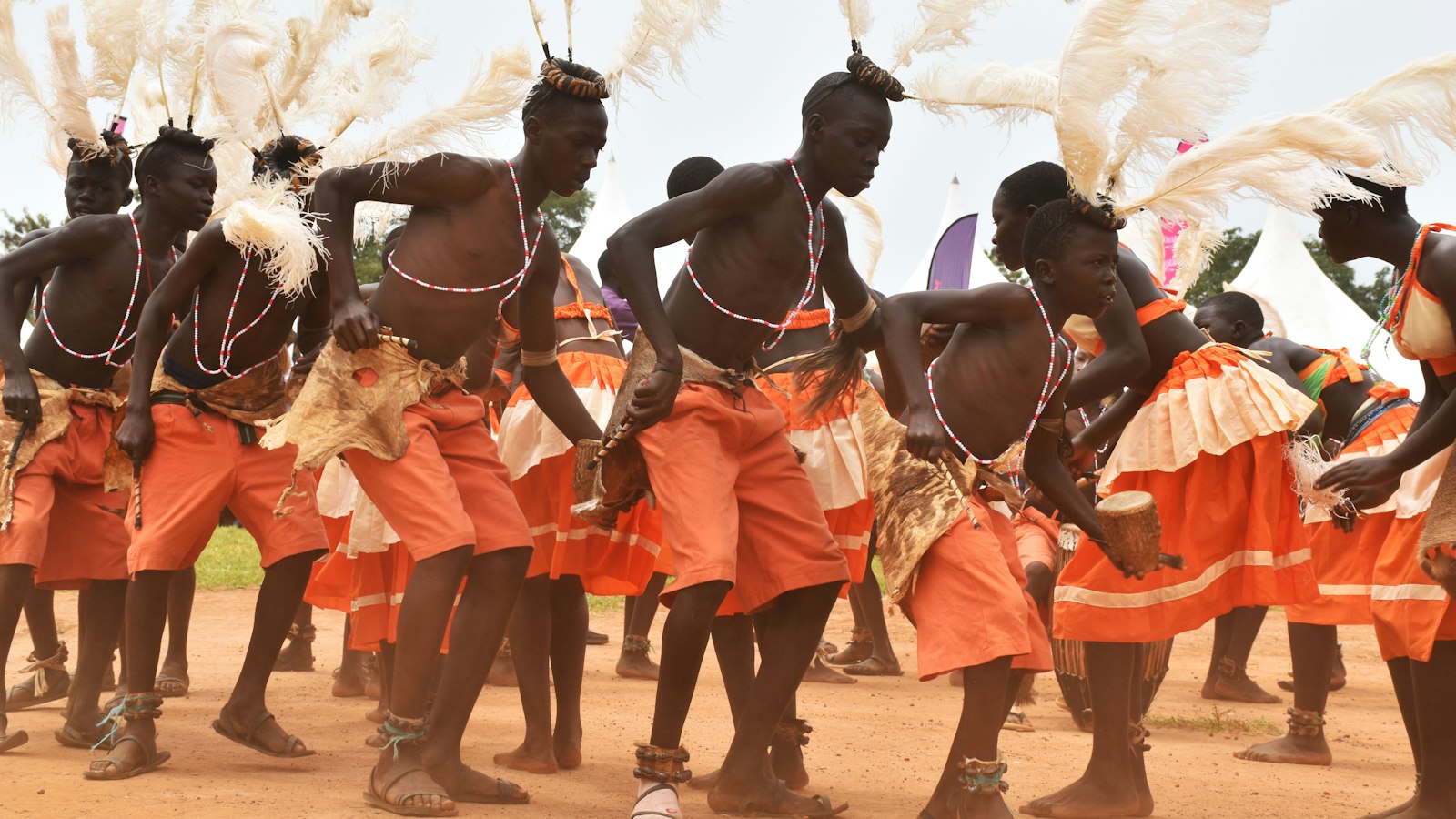
Happy Independence Day, Uganda. Today, Friday 9 October 2026, the Pearl of Africa marks 64 years of independence. From Kampala to Kabale, Gulu to Mbale, Ugandans at home and in the diaspora are raising the black, yellow and red flag to celebrate the journey the nation has travelled since 1962.
In this guide we look back at how Uganda became independent, explain the symbols that unite the country, share quick facts that people search for every October, and suggest practical ways to celebrate Uganda at 64, whether you are a family, a school, a business or a professional.
What happened on 9 October 1962?
At midnight on 9 October 1962, the British Union Jack was lowered and the new Uganda flag was raised at Kololo in Kampala. Uganda had been a British protectorate since 1894. After years of political organising by Ugandan leaders, constitutional talks in London, and elections held in April 1962, the country gained self rule and then full independence within the Commonwealth.
Apollo Milton Obote became the first Prime Minister of independent Uganda. In 1963 the country became a republic, and Sir Edward Mutesa II, the Kabaka of Buganda, became the first President, a largely ceremonial role at the time. Kololo Independence Grounds remains one of the most symbolic places in the country and has hosted many national celebrations since.
The meaning of the Uganda flag
The Uganda national flag was adopted on independence day. It has six horizontal stripes of black, yellow and red, repeated twice, with a white circle in the centre holding the grey crowned crane.
- Black represents the people of Africa.
- Yellow represents Africa's sunshine.
- Red represents African brotherhood, the blood that connects all Africans.
- The grey crowned crane is Uganda's national bird, known for its gentle nature. Its raised leg symbolises a country moving forward.
The national anthem: Oh Uganda, Land of Beauty
Uganda's national anthem, "Oh Uganda, Land of Beauty", was composed by George Wilberforce Kakoma and adopted in 1962. It is one of the shortest national anthems in the world, with three short verses. The first verse is sung at most public events, and every Ugandan child learns it at school. Singing it with your family, staff or classmates today is one of the simplest ways to mark the day.
Uganda at 64: key facts people search for
- Independence date: 9 October 1962
- Independence from: the United Kingdom
- Anniversary in 2026: 64th
- Capital city: Kampala
- Official languages: English and Kiswahili
- Currency: Uganda Shilling (UGX)
- Motto: For God and My Country
- National bird: Grey crowned crane
- Nickname: The Pearl of Africa, a phrase made famous by Winston Churchill in 1908
- Public holiday: Yes, 9 October is a gazetted public holiday in Uganda
How far Uganda has come
Sixty four years is a lifetime. In that time Uganda has grown from a population of around seven million at independence to well over 45 million people today, one of the youngest populations in the world. Kampala has grown into a busy regional hub, mobile money has changed how ordinary people save and trade, and sectors such as coffee, tourism, agriculture, ICT and oil and gas carry real promise for the next generation.
The journey has not been easy. Ugandans have lived through difficult chapters, and challenges such as youth unemployment, the cost of living and access to quality services remain real. Independence Day is a moment to celebrate, and also a moment to reflect on what each of us can contribute to the country we want our children to inherit.
Meaningful ways to celebrate Uganda at 64
For families
- Share a meal of local favourites such as luwombo, matooke, malakwang, eshabwe or rolex.
- Teach children the national anthem and the meaning of the flag.
- Visit a cultural site such as the Uganda Museum, the Kasubi Tombs, Ndere Cultural Centre or the Source of the Nile in Jinja.
For businesses
- Send a short, sincere Independence Day message to customers and staff.
- Run a "Buy Uganda, Build Uganda" promotion that features local products and suppliers.
- Recognise long serving employees and celebrate what your team has built.
For young people and professionals
- Volunteer for a community clean up, a blood donation drive or a mentorship session.
- Learn a new skill that can create income or jobs, from digital marketing to agribusiness.
- Book a session with an expert to plan the business, career or project you have been putting off. Independence is also personal.
Independence Day messages you can share
- "Happy 64th Independence Day, Uganda. For God and My Country."
- "64 years of freedom, beauty and resilience. Proud to be Ugandan."
- "Wishing every Ugandan peace, unity and prosperity as we celebrate Uganda at 64."
- "From the source of the Nile to the peaks of the Rwenzori, happy Independence Day to the Pearl of Africa."
Frequently asked questions
When did Uganda get independence?
Uganda gained independence from Britain on 9 October 1962.
How many years of independence is Uganda celebrating in 2026?
Uganda is celebrating 64 years of independence in 2026.
Who was the first Prime Minister of Uganda?
Apollo Milton Obote was Uganda's first Prime Minister at independence.
Who was the first President of Uganda?
Sir Edward Mutesa II, the Kabaka of Buganda, became the first President in 1963.
Is 9 October a public holiday in Uganda?
Yes. Independence Day is a national public holiday, so most offices, schools and banks are closed.
Happy Independence Day from The Quick Consult
At The Quick Consult, we believe the next chapter of Uganda's story will be written by people who get good advice and act on it. Whether you need a lawyer, a business strategist, a web developer or a health professional, our experts are a quick call away. Happy 64th Independence Day, Uganda. For God and My Country.