
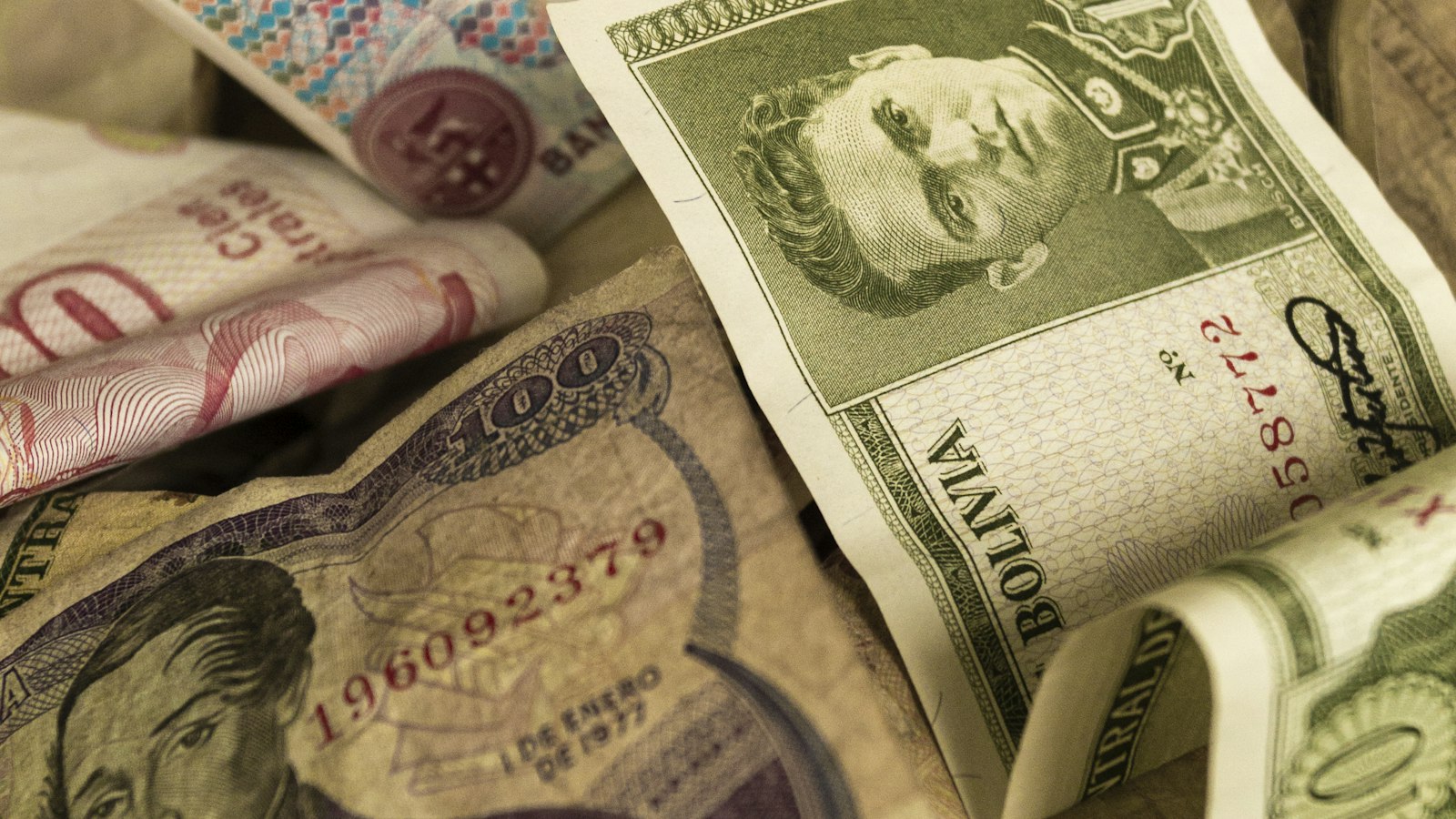
For most of 2026 the Uganda shilling held steady around Shs3,600 to Shs3,700 per US dollar. Then, from late September, it slipped quickly. By early October 2026 commercial banks were quoting more than Shs4,000 per dollar, and Reuters described it as a record low. By 9 October, quotes of Shs4,090 to Shs4,100 were common.
If you pay school fees abroad, import stock, hold a dollar loan, or simply buy fuel and sugar, this matters to you. This guide explains what is happening and what you can do about it.
How much has the shilling fallen?
- Mid March 2026: about Shs3,604 per dollar.
- Start of September 2026: about Shs3,790.
- 14 September 2026: about Shs3,917.
- 5 to 6 October 2026: about Shs4,035 to Shs4,055.
- 8 to 9 October 2026: about Shs4,090 to Shs4,100.
Reuters estimated that the shilling had weakened by more than 11 percent since the start of 2026. Rates differ slightly between banks and forex bureaus, so always compare before you change money.
Why is the Uganda shilling weakening?
Strong demand for dollars
The shilling is market determined, meaning its value depends on how many people want dollars compared with how many dollars are coming into the country. Fuel importers, energy companies, manufacturers and telecom firms have been buying large amounts of dollars. Traders stocking up for the festive season have also brought forward their purchases.
Higher oil prices
Conflict in the Gulf has pushed world oil prices above 100 US dollars a barrel. Because Uganda imports all its refined fuel, the country needs more dollars to buy the same amount of petrol and diesel.
Foreign investors moving money out
Some foreign investors have sold Ugandan government bonds and moved money to assets they consider safer during global uncertainty. When they leave, they convert shillings to dollars.
Weaker coffee earnings and tourism shocks
Coffee is one of Uganda's largest sources of dollars. Weaker export earnings reduce supply of dollars. Officials have also cited the impact of an Ebola outbreak on travel and tourism.
The central bank is not selling reserves
President Museveni said on 9 October 2026 that he declined a proposal for the Bank of Uganda to sell reserve dollars to support the shilling. That means the currency is likely to keep reflecting market forces rather than being propped up.
How a weak shilling affects ordinary Ugandans
- Fuel and transport: the Ministry of Energy estimates the exchange rate alone has added about Shs300 per litre.
- Imported goods: phones, laptops, spare parts, medicines, cooking oil, rice and many supermarket items cost more.
- Dollar rent and loans: if your rent or loan is in dollars but your salary is in shillings, your monthly cost has jumped.
- School fees and travel abroad: paying for university in Kenya, the UK or India, or buying an air ticket, now needs more shillings.
- Winners: exporters, people receiving remittances from abroad, and businesses paid in dollars get more shillings for every dollar they earn.
How to protect your money: practical steps
For households
- Avoid new dollar debts. Borrow in the same currency you earn. If you earn shillings, borrow in shillings.
- Talk to your landlord about dollar rent. Many Kampala landlords accept a shilling rate agreed for 6 or 12 months. Ask for it in writing.
- Plan foreign payments early. If you must pay fees or medical bills abroad, budget with a higher rate, for example Shs4,200, so you are not caught short.
- Buy local where you can. Locally produced food, soap, building materials and clothes are less affected by the exchange rate.
- Keep an emergency fund in shillings. Three months of essential expenses in a savings account, SACCO or money market unit trust gives you a cushion.
- Do not panic buy dollars. Changing all your savings into dollars at a high rate can backfire if the shilling recovers. If you want some dollar exposure, do it gradually and only for real future dollar needs.
For businesses and importers
- Review your pricing now. Calculate your landed cost at the current rate, not the rate when you last restocked. Selling old stock at old prices and then restocking at new rates can wipe out profit.
- Match currencies. If you import in dollars, consider pricing some goods or contracts in dollars, or include an exchange rate adjustment clause.
- Ask your bank about forward contracts. Some banks offer forward rates that lock today's rate for a future payment. This adds certainty for large import bills.
- Find local substitutes. Locally made packaging, inputs or spare parts can reduce your dollar needs.
- Protect your cash flow. Collect receivables faster, negotiate longer terms with suppliers and keep a buffer.
Will the shilling recover?
Exchange rates are hard to predict. Things that could support the shilling include lower world oil prices, stronger coffee and gold exports, more tourism, and the expected start of oil production, which officials say could come before the end of June 2027. The World Bank expects Uganda's growth to pick up strongly in 2027/28 once oil exports begin. In the short term, however, most analysts expect pressure to continue while oil prices remain high.
Frequently asked questions
Where can I check today's dollar rate in Uganda?
The Bank of Uganda publishes daily indicative rates on its website. Commercial banks and licensed forex bureaus display their buying and selling rates at branches and online.
Is it a good time to buy dollars?
Only buy dollars for real dollar needs such as fees, travel or imports. Speculating on currency movements is risky. If you are unsure, speak to a licensed financial adviser.
Does a weak shilling cause inflation?
Yes, over time. Imported goods and fuel become more expensive, which feeds into transport and food prices. The IMF and World Bank have both warned that inflation may rise above 5 percent in 2026/27.
Get expert advice for your situation
Every household and business is different. If you need help repricing your products, restructuring a dollar loan or planning a budget, book a short call with a verified finance or business consultant on The Quick Consult. This article is general information, not financial advice.