
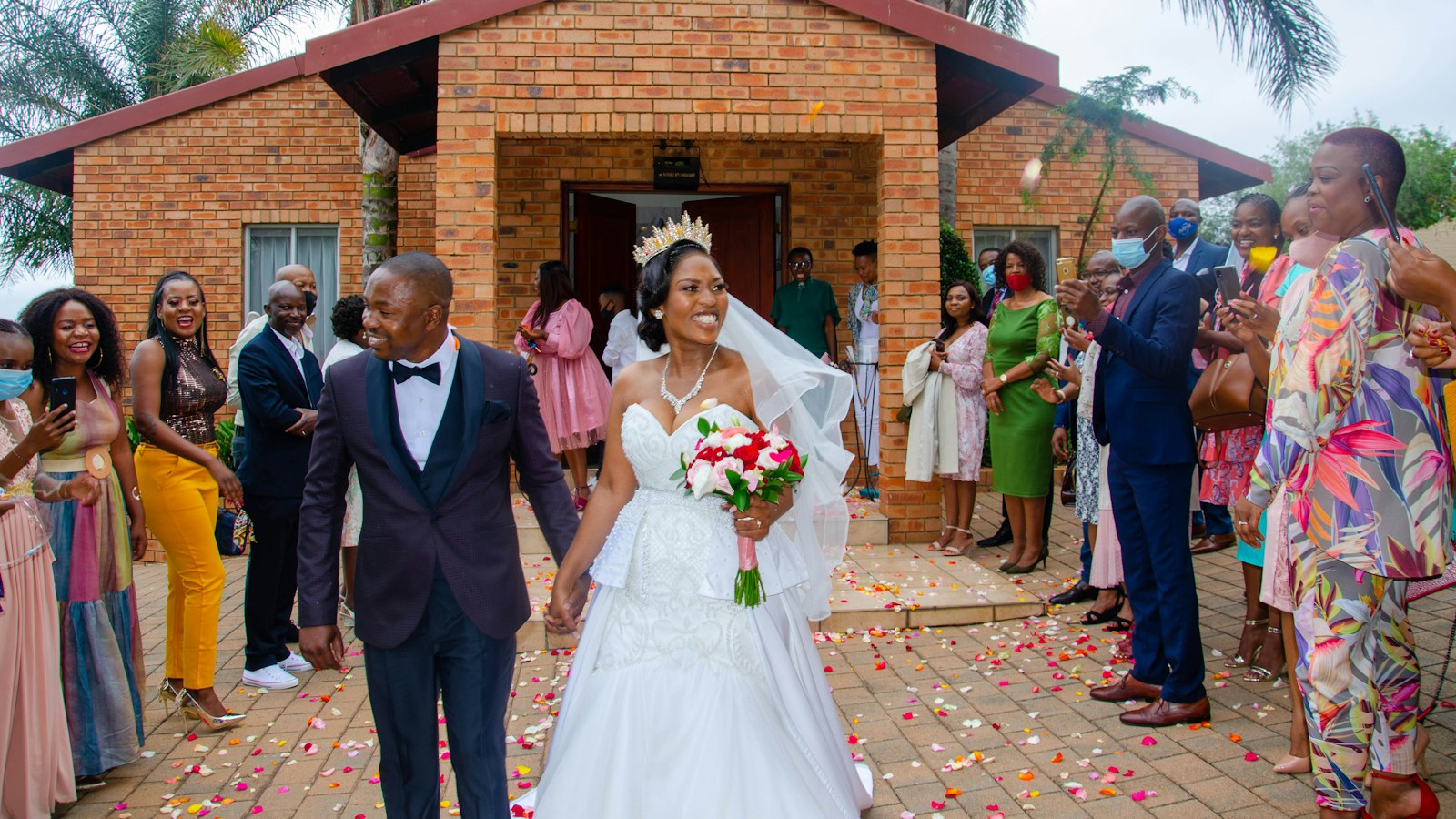
A Ugandan wedding is a big celebration, often following an introduction ceremony and involving family, friends, church and community. Costs vary enormously depending on guest numbers, venue and choices, but planning with a clear budget helps couples avoid debt and enjoy the day.
The figures below are rough guides for Kampala and major towns in 2026. Prices change with season, vendor and negotiation, so always get several quotes.
Typical budget breakdown by category
Many couples find their budget splits roughly like this:
- Catering (food and drinks): 30 to 40 percent, usually the biggest cost and driven by guest numbers
- Venue and tents: 10 to 15 percent
- Decoration and flowers: 10 to 15 percent
- Bride's gown, groom's suit and bridal party outfits: 8 to 12 percent
- Photography and videography: 5 to 10 percent
- Cake: 2 to 5 percent
- Music, MC and sound: 3 to 6 percent
- Transport and car hire: 3 to 5 percent
- Church or ceremony fees and rings: 3 to 5 percent
- Invitations, cards and stationery: 1 to 3 percent
- Contingency: 5 to 10 percent for surprises
Rough total budgets by wedding size
- Small wedding (about 100 to 150 guests): commonly in the range of a few tens of millions of shillings, often lower with home or church compound venues and simple decor.
- Medium wedding (about 200 to 400 guests): often several tens of millions, depending on venue and catering per head.
- Large or luxury wedding (500 guests and above, hotel venues): can exceed Shs100 million.
The biggest driver is cost per guest. Multiply your catering quote per head by your guest list to see how quickly numbers grow.
Wedding meetings (budget committees)
In Uganda, friends and relatives often hold wedding meetings to contribute money and organise tasks. To run them well:
- Present a clear budget and timeline.
- Appoint a trusted treasurer and use a dedicated bank or mobile money account.
- Track pledges and contributions in a shared spreadsheet.
- Give regular updates and thank contributors.
- Assign committees: catering, decor, transport, ushering and programme.
Questions to ask vendors
- What exactly is included in the price?
- Are VAT, transport and setup included?
- What deposit is required and when is the balance due?
- What happens if the event is postponed?
- Can I see photos from recent events and speak to past clients?
Always sign a written agreement and keep receipts.
Ways to save without looking cheap
- Cut the guest list. Every guest you remove saves catering, chairs, cake and drinks.
- Choose an off peak date. Weekdays or less busy months can bring lower venue and vendor prices.
- Hold ceremony and reception close together to save transport and time.
- Use a package deal from venues that include tents, chairs and decor.
- Rent the gown and suits instead of buying.
- Use digital invitations on WhatsApp for most guests.
- Choose seasonal flowers or fewer floral arrangements with more fabric and lighting.
- Serve a buffet with well planned portions.
- Negotiate bundles with photographers and videographers.
- Avoid borrowing for the wedding. Start married life without debt.
Don't forget hidden costs
- Bridal hair, makeup and trial sessions
- Bridal party gifts and outfits
- Fuel and allowances for helpers
- Marriage registration and certificate
- Honeymoon or first nights' accommodation
- Post wedding thank you event for committee members
Frequently asked questions
What is the cheapest way to get married in Uganda?
A civil marriage at the registry or a small church ceremony with a modest reception at home is the most affordable option.
How early should we start planning?
Six to twelve months ahead gives time to save, book venues and organise wedding meetings.
Need a wedding planner?
Book a short call with a verified wedding planner or financial adviser on The Quick Consult to build a realistic budget and plan.